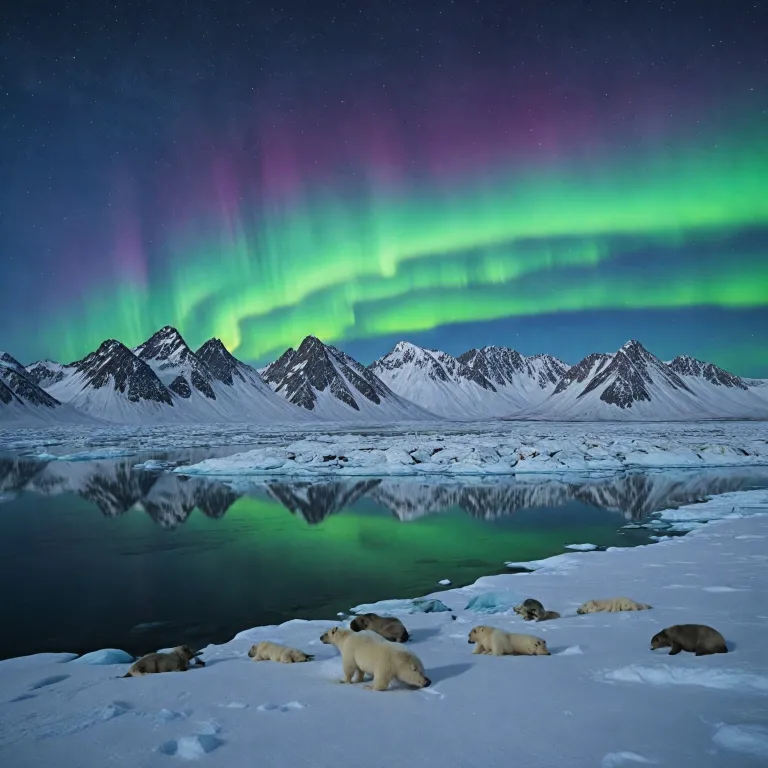
Understanding the arctic region: landscapes, climate, and the polar experience
The arctic captivates travelers with its vast ice fields, dramatic coastlines, and unique wildlife. Stretching across the arctic circle, this region encompasses Greenland, Svalbard, the north pole, and the high arctic islands south of the polar boundary. The cold here is profound, with average summer temperatures in Svalbard reaching just 5°C, making layered clothing essential for any travel guide. The interplay of ice, snow, and sea creates an ever-changing landscape, while the midnight sun and northern lights offer unforgettable experiences. The best time to visit the arctic depends on your interests: June to September is ideal for cruises and wildlife, while October to February brings the spectacle of the northern lights. Polar bears, walruses, and whales thrive in these conditions, and the presence of 25,000 polar bears in the arctic underscores the region's ecological importance. The arctic travel guide must emphasize respect for local customs, wildlife regulations, and the fragile polar environment. Whether you are drawn to the vastness of west Greenland, the remote islands south of the arctic circle, or the icy expanse of the north pole, the arctic offers a travel experience unlike any other. The region's cold, pristine beauty and the opportunity to explore its remote corners make it a top destination for adventurous travelers seeking a comprehensive arctic travel guide.
Planning your arctic adventure: best times, routes, and travel methods
Choosing the best time to visit the arctic is crucial for maximizing your experience. The period from June to September is considered the best time for cruises, wildlife viewing, and exploring the northwest passage. During these months, the ice recedes, allowing small ship expeditions to navigate the high arctic and reach places visit such as east Greenland and Svalbard. October to February is the prime season for witnessing the northern lights, a highlight for any arctic travel guide. Expedition cruises, guided tours, and independent travel are the main methods for exploring the polar north. Ice-class ships, kayaks, and snowmobiles provide access to remote areas, while eco-friendly technologies are increasingly used to minimize environmental impact. Booking trips well in advance is recommended due to limited availability, especially for popular routes like the antarctic peninsula and south Georgia. For those seeking a deeper connection with the arctic, dog sledding and visits to indigenous communities offer authentic cultural experiences. The arctic travel guide should also highlight the importance of supporting local partners and respecting wildlife. Whether your goal is to see polar bears, cruise the northwest passage, or experience the midnight sun, careful planning ensures a rewarding journey through the arctic and antarctic regions.
Wildlife encounters: polar bears, arctic fauna, and the wonders of the polar ecosystem
The arctic is renowned for its extraordinary wildlife, making it a focal point of any arctic travel guide. Polar bears are the region's most iconic inhabitants, with an estimated 25,000 individuals roaming the ice and coastal areas. Travelers can also expect to encounter walruses, reindeer, arctic foxes, and a variety of whale species. The best places to visit for wildlife viewing include west Greenland, Svalbard, and the islands south of the arctic circle. During the summer months, the receding ice opens up opportunities for small ship cruises, allowing close observation of polar bears and other wildlife in their natural habitats. The antarctic peninsula and south Georgia are equally rich in wildlife, with penguins, seals, and seabirds dominating the landscape. Responsible travel practices are essential to protect these fragile ecosystems. The arctic travel guide emphasizes maintaining a respectful distance from animals and adhering to local regulations. For those interested in the wonders of the polar ecosystem, guided tours with experienced naturalists provide invaluable insights. The arctic and antarctic offer unparalleled opportunities to explore the natural world, making them prime destinations for wildlife enthusiasts and photographers alike.
Immersive experiences: cultural encounters and the spirit of the north
Beyond its natural beauty, the arctic offers profound cultural experiences that deepen your understanding of the polar world. Indigenous communities across Greenland, Svalbard, and the high arctic have thrived in these harsh conditions for centuries. Visiting these communities allows travelers to learn about traditional lifestyles, local customs, and the challenges of living in the cold. The arctic travel guide recommends engaging with local guides and participating in cultural activities such as dog sledding, storytelling, and traditional crafts. These immersive experiences foster a greater appreciation for the resilience and ingenuity of arctic peoples. The best time to visit for cultural events often coincides with the summer months, when festivals and gatherings celebrate the midnight sun. The arctic council and local tour operators work together to promote sustainable tourism and support indigenous livelihoods. By choosing responsible travel options, visitors contribute to the preservation of arctic heritage and the well-being of local communities. The spirit of the north is defined by its connection to the land, the ice, and the rhythms of the polar seasons. For those seeking meaningful encounters, the arctic travel guide highlights the importance of cultural respect and curiosity.
Adventure activities: exploring the arctic by cruise, dog sled, and more
The arctic is a playground for adventure seekers, offering a range of activities that showcase the region's wild beauty. Small ship cruises are among the best ways to explore the ice-choked fjords of east Greenland, the dramatic coastlines of Svalbard, and the remote islands south of the arctic circle. These cruises provide access to areas unreachable by land, allowing travelers to witness polar bears, whales, and the northern lights from the comfort of an ice-class vessel. Dog sledding remains a quintessential arctic experience, combining tradition with excitement as you glide across the snow under the midnight sun. Kayaking, snowmobiling, and guided hikes offer additional ways to explore the polar landscape. The arctic travel guide advises travelers to select operators that prioritize safety, environmental stewardship, and local partnerships. The best time for adventure activities varies: summer is ideal for cruises and wildlife, while winter brings the magic of the northern lights and the thrill of cold-weather exploration. The northwest passage, high arctic, and antarctic peninsula are top destinations for those seeking new challenges. Whether you are a seasoned explorer or a first-time visitor, the arctic offers endless opportunities to experience the thrill of the polar north.
Practical tips and expert advice for your arctic journey
Preparing for arctic travel requires careful planning and attention to detail. Pack layered clothing suitable for extreme cold, as temperatures can fluctuate rapidly. Book trips well in advance due to limited availability, especially for popular destinations like Svalbard, west Greenland, and the antarctic peninsula. Respect local customs and wildlife regulations to ensure a positive impact on the environment and communities. The arctic travel guide recommends choosing eco-friendly operators and supporting indigenous businesses whenever possible. "The best time is between June and September for cruises and wildlife viewing, and October to February for the Northern Lights." This expert advice ensures you make the most of your visit arctic experience. "Common sightings include polar bears, walruses, reindeer, and various whale species." For cultural enrichment, "travelers can visit indigenous communities and learn about their traditions and lifestyles." These insights from trusted experts underscore the importance of preparation and respect in arctic travel. The arctic council, Lindblad Expeditions-National Geographic, and Audley Travel are reputable partners for planning your journey. By following a comprehensive travel guide, you can safely explore the arctic circle, witness the wonders of the polar world, and create memories that last a lifetime.
Key statistics on arctic travel and wildlife
- Average summer temperature in Svalbard: 5°C
- Estimated number of polar bears in the arctic: 25,000 individuals
Frequently asked questions about arctic travel
What is the best time to visit the arctic?
The best time is between June and September for cruises and wildlife viewing, and October to February for the Northern Lights.
What wildlife can I see in the arctic?
Common sightings include polar bears, walruses, reindeer, and various whale species.
Are there any cultural experiences available?
Yes, travelers can visit indigenous communities and learn about their traditions and lifestyles.
