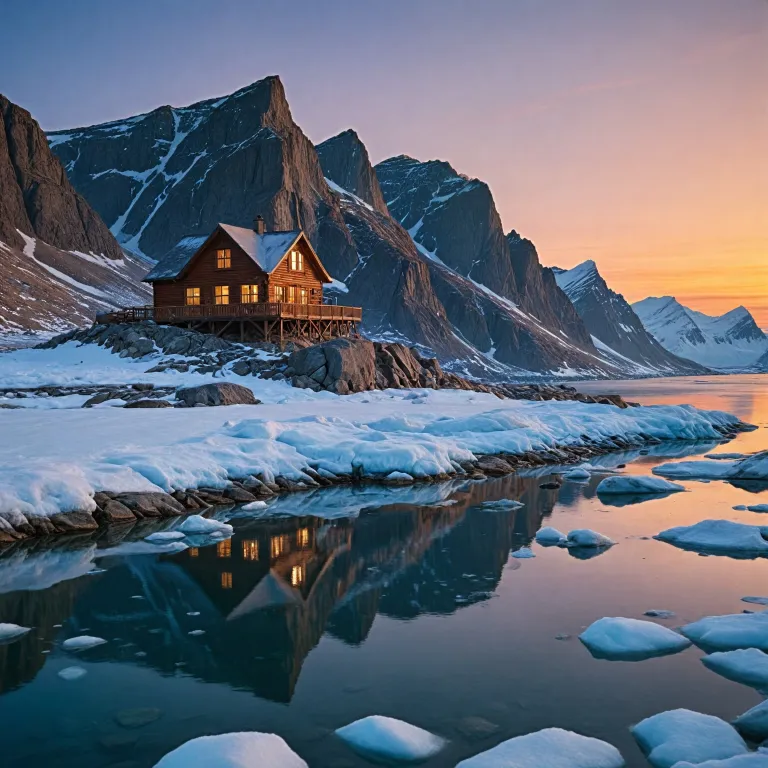
Arctic watch wilderness lodge and the return of a high Arctic icon
Arctic watch wilderness lodge sits on remote Somerset Island in Nunavut, deep in the high Arctic. The lodge stands about 800 km north of the Arctic Circle, where the north Arctic light glows through the midnight sun. This location places guests within one of the most wildlife rich polar regions on the planet.
After a complex licensing process, Weber Arctic Expeditions has confirmed the reopening of Arctic Watch for a new wilderness lodge season. The operator, Weber Arctic, is a family run company that has long linked polar tourism with scientific partnerships and Inuit collaboration. Their renewed license signals a broader recovery for Canadian Arctic tourism and for carefully managed polar adventure travel.
The property is designed as a fly lodge, reached by charter aircraft from Yellowknife to island Nunavut, landing close to Cunningham Inlet. Guests then transfer to the lodge, where 16 private cabins host a maximum number of guests that keeps the atmosphere personal. This scale allows the Weber family to maintain close oversight of safety, guiding standards, and environmental impact.
Arctic watch wilderness lodge has become synonymous with intimate encounters with Arctic wildlife, especially beluga whale gatherings in the inlet. The surrounding wilderness offers a rare combination of tundra hiking, river canyons, and coastal flats that attract diverse Arctic wildlife. For many guests, the setting feels like a crossroads between the north and the far north pole, with the Antarctic imagined as a distant mirror to this polar world.
Weber family legacy, polar expertise, and the spirit of expedition travel
The Weber family has shaped the identity of Arctic watch as much as the landscape itself. Led by polar explorer Richard Weber, the family has spent many years guiding expeditions across the north and the broader polar regions. Their company, Weber Arctic, now channels that expedition heritage into structured yet flexible wilderness lodge stays.
At Arctic watch wilderness lodge, guests benefit from this depth of experience in every guided activity. The team understands how to read sea ice, river currents, and wildlife behavior, which is essential in the Canadian Arctic. This expertise underpins both safety and the quality of wildlife viewing, from polar bears on distant ridges to beluga whale pods in the inlet.
Family travel is central to the lodge’s philosophy, with multi generational groups welcomed into the Weber family orbit. Children and adults share guided hikes, photography sessions, and interpretive talks that explain Arctic wildlife and Arctic tourism challenges. The atmosphere is informal but highly professional, with clear briefings before each day’s activities.
While the focus is firmly on the Arctic, many guests compare their experience with previous journeys in the Antarctic and the south polar regions. Some arrive after voyages along the northwest passage or cruises near the Antarctic Peninsula, seeking a land based complement. Others are birding enthusiasts who may later explore Patagonian birdlife, often inspired by resources such as this detailed guide to the birds of Patagonia and their habitats.
Wildlife, polar bears, and the beluga whale gatherings of Cunningham Inlet
Arctic watch wilderness lodge is best known for its proximity to one of the world’s most accessible beluga whale congregations. Each season, thousands of belugas enter Cunningham Inlet, creating a natural amphitheater for guests on shore or in kayaks. This setting offers rare opportunities to watch wilderness behavior without intrusive noise or crowding.
Polar bears are another emblematic presence in this part of the Canadian Arctic. Guides lead carefully managed excursions to view bears at safe distances, using all terrain vehicles and spotting scopes. These outings highlight how Arctic wildlife has adapted to a harsh climate, while also revealing the pressures of changing sea ice.
The surrounding tundra supports nesting birds, Arctic foxes, and occasional muskox herds, enriching the sense of a living wilderness. For travelers who have already experienced Svalbard summer voyages or Antarctic cruises, the land based intimacy here feels markedly different. It allows time to linger, to watch, and to understand how each species fits into the broader polar regions.
Birding focused guests often combine a stay at Arctic watch with other specialist trips, including expert led journeys such as those described in this resource on Svalbard birding guides and Arctic avifauna. These complementary experiences deepen knowledge of both north Arctic and south polar ecosystems. Together, they help travelers appreciate how the Arctic and Antarctic, though distant, are linked by shared conservation challenges.
Daily life at the lodge, signature activities, and family friendly adventure
Life at Arctic watch wilderness lodge follows a gentle rhythm shaped by tides, wildlife movements, and the midnight sun. Mornings often begin with a detailed briefing, where guides outline the day’s activities and review safety protocols. Guests then choose between options such as kayaking, hiking, ATV excursions, or photography focused outings.
Kayaking with beluga whales is a signature experience, conducted with strict guidelines to minimize disturbance. Fishing for Arctic char in nearby rivers appeals to both seasoned anglers and beginners, with all equipment provided. Hiking routes range from gentle walks along the shoreline to more demanding treks into canyons and over tundra ridges.
Families appreciate the flexibility of the program, which allows different members to select different activities while still sharing meals and evening talks. Children can join shorter hikes or wildlife watching sessions, while adults tackle longer routes or more technical adventures. This approach ensures that family travel remains cohesive, even when interests and energy levels vary.
Throughout the stay, the Weber family and their team emphasize low impact Arctic tourism and respect for Inuit cultural landscapes. Guests learn why the lodge operates only during the short summer window, when average temperatures hover around 5 °C. They also hear how carefully timed operations help protect sensitive Arctic wildlife, from nesting birds to roaming polar bears, reinforcing the idea that true adventure will always be balanced with responsibility.
Getting there, practical planning, and the ethics of polar tourism
Reaching Arctic watch wilderness lodge requires a charter flight, typically from Yellowknife to Somerset Island in island Nunavut. This fly lodge model concentrates access into a controlled corridor, reducing random traffic across the wider Canadian Arctic. It also allows Weber Arctic to coordinate logistics, safety equipment, and emergency planning with precision.
Prospective guests should plan their travel well in advance, as capacity at the wilderness lodge is limited by its 16 cabins. Packing lists emphasize layered clothing, waterproof outerwear, and insulated footwear suitable for Arctic conditions. Even in the height of summer, wind chill can make temperatures feel far colder than the nominal 5 °C average.
Ethical considerations are central to any journey into the polar regions, whether in the north Arctic or the distant Antarctic. At Arctic watch, sustainable practices include careful waste management, wildlife viewing protocols, and collaboration with local Inuit communities. These measures align with a broader movement toward responsible Arctic tourism that benefits both ecosystems and people.
Travelers who have previously joined polar bear tours in Alaska or voyages along the northwest passage will recognize similar themes. Many find it helpful to read in depth accounts such as this article on polar bear tours in the Arctic wild before planning their stay. Such resources frame Arctic watch wilderness lodge within a wider context of polar wildlife tourism, highlighting both its strengths and its responsibilities.
Arctic watch in the wider context of Arctic and Antarctic travel
For many guests, a stay at Arctic watch wilderness lodge becomes a reference point for understanding polar travel more broadly. The experience contrasts with ship based voyages to the Antarctic or to the north pole, where movement is constant and landings brief. Here, remaining in one place allows deeper engagement with a single ecosystem over several days.
Comparisons with Svalbard summer expeditions are inevitable, especially among travelers who have cruised past glaciers and sea ice there. While Svalbard offers dramatic mountain scenery and marine wildlife, Arctic watch emphasizes tundra, river valleys, and the intimate scale of a family run lodge. Both models contribute to a richer understanding of the polar regions and their varied expressions of wilderness.
Some visitors arrive after years of dreaming about the Arctic, having already sailed near the Antarctic Peninsula or even along parts of the northwest passage. Others are at the beginning of their polar journey, using Arctic watch as a first immersion before considering more remote expeditions. In both cases, the lodge serves as a bridge between comfort and genuine wilderness, between guided activities and personal reflection.
As Weber Arctic continues to refine operations, the emphasis remains on small scale tourism that respects Arctic wildlife and local communities. The Weber family’s presence on site reinforces accountability, while their history of polar expeditions lends authority. In this way, Arctic watch wilderness lodge stands as a model for how high Arctic tourism can balance adventure, education, and long term stewardship of a fragile environment.
Key statistics about Arctic watch wilderness lodge and its environment
- Number of private guest cabins at Arctic watch wilderness lodge : 16 cabins, allowing for an intimate guest experience and low impact operations.
- Approximate distance north of the Arctic Circle : 800 km, placing the lodge firmly within the high Arctic region.
- Average temperature during the main operating period : around 5 °C, with wind chill often making conditions feel colder.
Essential questions about Arctic watch wilderness lodge
What activities are available at Arctic watch wilderness lodge ?
What activities are available at Arctic Watch Wilderness Lodge? Guests can enjoy kayaking with beluga whales, fishing for Arctic char, hiking, ATV excursions, and wildlife observation.
How do I get to Arctic watch wilderness lodge ?
How do I get to Arctic Watch Wilderness Lodge? Access is typically via a charter flight from Yellowknife, Northwest Territories, to Somerset Island.
What is the best time to visit Arctic watch wilderness lodge ?
What is the best time to visit Arctic Watch Wilderness Lodge? The lodge operates during the 'midnight sun' months of July and August, offering optimal conditions for wildlife viewing and outdoor activities.
Trusted references for further reading
- Government of Nunavut – tourism licensing and regulatory information for Nunavut operators.
- Parks Canada – background on Canadian Arctic ecosystems, wildlife, and protected areas.
- Polar tourism research publications from recognized Arctic and Antarctic research institutes.
