Arctic ice co and the hidden infrastructure of polar travel
Behind every elegant Arctic voyage or Antarctic cruise lies a quiet network of ice manufacturing businesses. Companies trading under the name arctic ice co illustrate how industrial ice manufacturing underpins expedition logistics, hospitality, and safety across polar regions. When travellers learn how this infrastructure works, they better understand the real cost and complexity of operating in the Arctic and Antarctic.
In North America, several firms branded as Arctic Ice Company or arctic ice operate as manufacturer distributors that keep hospitality and travel supply chains running. Their ice products range from packaged ice for retail and shipboard bars to block ice and dry ice for provisioning, storage, and emergency cooling on remote routes. These ice manufacturer operations may sit far from the polar circle, yet their services directly support cruise terminals, airports, and freight hubs that feed polar tourism.
Arctic Glacier alone produces around 2,000,000,000 pounds of ice annually, serving approximately 75,000 customer locations across North America. That scale of pounds ice production shows how bulk ice and packaged ice delivery sustain not only everyday customers but also seasonal expedition traffic heading north. For polar travellers, the humble ice block or pallet of bulk ice is as essential as a sturdy parka or a reliable satellite phone.
When you book a voyage, you rarely see the block ice stacked behind a port warehouse or the dry ice packed around sensitive scientific samples. Yet these ice products protect food quality, medical supplies, and camera gear during long repositioning voyages between sites. Understanding this hidden layer of arctic ice and ice dry logistics adds depth to any serious plan for Arctic or Antarctic travel.
From cocktail cubes to expedition coolers: hospitality, lodges, and ice services
Polar journeys often begin or end in gateway cities where hospitality partners rely on arctic ice co style businesses. In Tampa Bay, for example, Arctic Ice Company supplies ice sculptures, cocktail ice cubes, and ice carving blocks for events that celebrate returning expeditions or fundraising galas. These services show how ice manufacturing intersects with travel storytelling, turning simple ice block deliveries into memorable event centrepieces.
For travellers heading to remote lodges or embarkation ports, reliable ice delivery is as important as comfortable cabins or well maintained kayaks. Coastal properties and expedition hotels use packaged ice and bulk ice to support high volume food service before guests board ships or floatplanes. When planning stays at wilderness bases or Alaska lodges for kayaking in calm protected waters, ask how they manage cold chain logistics in shoulder seasons.
In Birmingham, Alabama, Arctic Ice Co focuses on dependable delivery to restaurants, convenience stores, and other business customers. While far from the Arctic, this model mirrors the support network that polar gateway cities require when cruise departures spike. High demand around a single major party or embarkation event can stretch local services, so experienced operators plan bulk ice orders weeks in advance.
For travellers, this background matters when evaluating expedition companies that host pre departure events or post voyage celebrations. Operators that coordinate with established ice manufacturer partners can better guarantee safe food handling and elegant presentation, even in temporary venues. Asking how they handle ice products, from dry ice for specialty cocktails to block ice for buffets, is a subtle way to assess operational maturity.
Ice sculptures, luges, and the art of polar themed events
Arctic and Antarctic travel inspires a particular aesthetic that many travellers want to extend into their private events. Companies like Arctic Ice Company in Tampa specialise in ice sculpture and ice luge installations that echo the shapes of icebergs, penguins, or polar bears. These services transform a simple party into an immersive polar themed event that recalls time spent among real sea ice and glaciers.
When commissioning an ice sculpture or ice luge for a homecoming celebration, ask the manufacturer distributor about block ice quality and carving techniques. Clear block ice, produced through controlled ice manufacturing, allows intricate details that resemble the blue tones of Antarctic pack ice. For larger events, multiple luges dry installations can serve different spirits while maintaining efficient flow for guests.
Travellers planning fundraising events for conservation or science programmes can integrate educational elements into these ice products. For example, a sculpted map of the Antarctic Peninsula beside a display linking to an in depth polar journey guide helps guests learn about fragile ecosystems. Coordinating with an experienced ice manufacturer ensures that the sculpture, luge, and supporting packaged ice arrive on time and in suitable condition.
Event planners should also review the provider’s privacy policy and sustainability statements, especially when working with international partners. Some arctic ice co style businesses now highlight how they reduce waste from bulk ice deliveries and recycle meltwater from construction sites or festivals. By choosing services that respect both data protection and environmental standards, travellers extend their polar ethics into every celebration.
Ancient arctic ice in luxury bars and what travellers should know
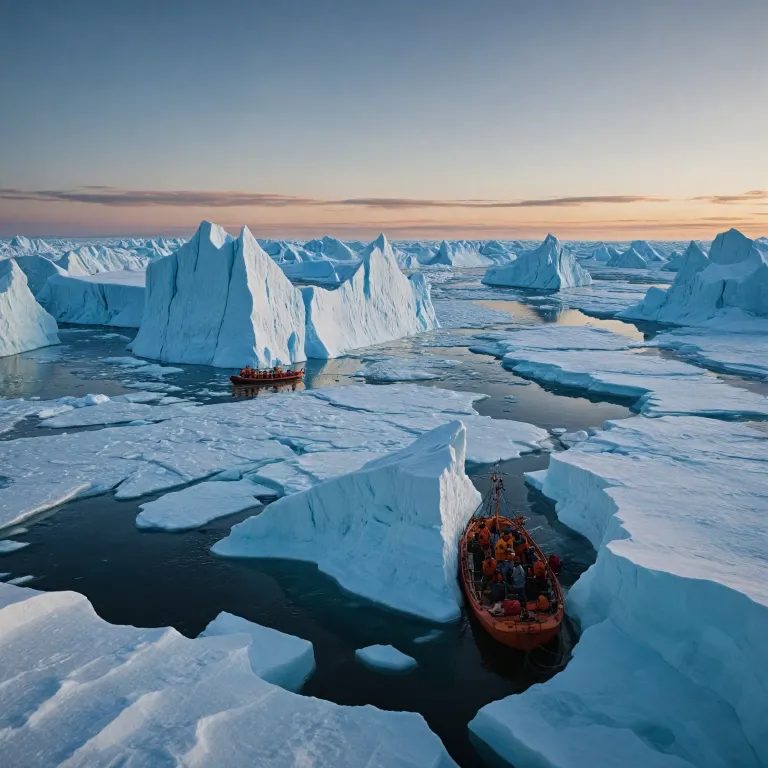
One of the most striking developments in recent years is the emergence of Arctic Ice in Greenland, shipping ancient icebergs to luxury bars in Dubai. This ice arctic operation harvests naturally formed ice that has been compressed over centuries, then transports it in insulated containers. For travellers who have watched calving glaciers from a Zodiac, the idea of sipping a drink cooled by similar ice raises complex questions.
On one hand, the concept of arctic ice co style exports illustrates how global demand for unique ice products intersects with hospitality and tourism. High end bars treat each ice block as a premium ingredient, carving it into cubes or shards that crackle distinctively in crystal glasses. On the other hand, responsible travellers must learn how such services manage environmental impact, permitting, and local community benefits.
Before supporting venues that advertise ice arctic cocktails, ask about sourcing transparency and long term sustainability plans. Some operators emphasise limited volumes, strict environmental assessments, and reinvestment in Greenlandic communities that host the harvesting sites. Others may focus more on marketing than on rigorous stewardship, so informed customers can influence better practices through their choices.
For polar travellers, this debate mirrors broader questions about expedition footprints and resource use. Reading a company’s privacy policy, environmental reports, and independent coverage can help you evaluate whether the job of harvesting and shipping dry ice or natural ice aligns with your values. As luxury concepts evolve, the line between meaningful experience and extractive spectacle will remain a central topic in polar travel ethics.
Logistics, safety, and the role of ice in expedition operations
Beyond hospitality, ice plays a critical role in the safety and logistics of Arctic and Antarctic expeditions. Dry ice is widely used to keep scientific samples, medical supplies, and certain food products at stable temperatures during long transfers. Expedition teams must learn safe handling procedures for ice dry materials, as sublimating carbon dioxide can pose ventilation risks in enclosed spaces.
Bulk ice and block ice also support construction sites associated with polar infrastructure, from temporary research camps to seasonal airstrips. In some cases, ice products help maintain permafrost stability around foundations or provide emergency cooling capacity for generators and communications equipment. These jobs demand coordination between ice manufacturer partners, freight companies, and on site engineers who understand local conditions.
For travellers, awareness of these behind the scenes services can inform questions during ship briefings or base camp visits. Asking how the team manages packaged ice, bulk ice storage, and dry ice disposal reveals much about operational discipline. When operators explain that they work with established arctic ice co style businesses and follow strict handling protocols, it signals a mature safety culture.
Expedition companies also rely on robust digital infrastructure, including clear privacy policy frameworks for guests booking online. Reliable customer data management supports accurate manifests, medical disclosures, and emergency contact systems that underpin safe travel in remote sites. In this sense, the same attention to detail that governs ice manufacturing and delivery also shapes the broader ecosystem of trustworthy polar operations.
Planning polar themed events at home while respecting polar realities
Many travellers return from the Arctic or Antarctic eager to host events that reflect their experiences. Working with an arctic ice co style provider allows you to integrate ice sculpture, ice luge installations, and premium ice block centrepieces into a refined gathering. To align these events with polar values, it is important to learn how your chosen business manages sourcing, waste, and energy use.
Start by discussing the full range of ice products and services the company offers, from packaged ice for drinks to bulk ice for catering operations. Ask whether they can supply educational elements, such as displays explaining ice manufacturing processes or the role of ice in expedition logistics. Some manufacturer distributor teams will gladly tailor products for conservation themed events, linking each sculpture to specific Arctic or Antarctic sites.
When planning multiple events, consider how delivery schedules and storage conditions affect both quality and environmental impact. Consolidating orders for several parties or business functions can reduce transport emissions while ensuring high consistency in block ice clarity. For large scale events, coordinating luges dry installations, ice sculpture displays, and standard ice cubes through a single ice manufacturer simplifies communication.
Finally, remember that your choices as customers send signals to the wider market. Supporting companies that publish transparent privacy policy statements, invest in efficient ice manufacturing, and respect local regulations encourages better industry standards. By treating every party as an opportunity to learn and to share accurate stories about polar regions, you extend the spirit of responsible travel far beyond the ice itself.
Key statistics on ice production and polar travel logistics
- Arctic Glacier produces approximately 2,000,000,000 pounds of ice each year for North American markets.
- The company supplies ice products to around 75,000 customer locations, including hospitality, retail, and event venues.
- These volumes illustrate how large scale ice manufacturing underpins logistics for both everyday commerce and seasonal polar travel flows.
Essential questions travellers ask about arctic ice co and polar journeys
What services does Arctic Ice Company in Tampa offer?
Arctic Ice Company in Tampa provides ice sculptures, cocktail ice cubes, and ice carving blocks for various events and businesses. (arcticiceonline.com)
Who owns Arctic Ice Co in Birmingham, Alabama?
Arctic Ice Co in Birmingham is owned and operated by Patrick Levio. (bbb.org)
What is unique about Arctic Ice's operations in Greenland?
Arctic Ice in Greenland harvests ancient icebergs and ships them to luxury markets like Dubai for use in high-end beverages. (yahoo.com)
