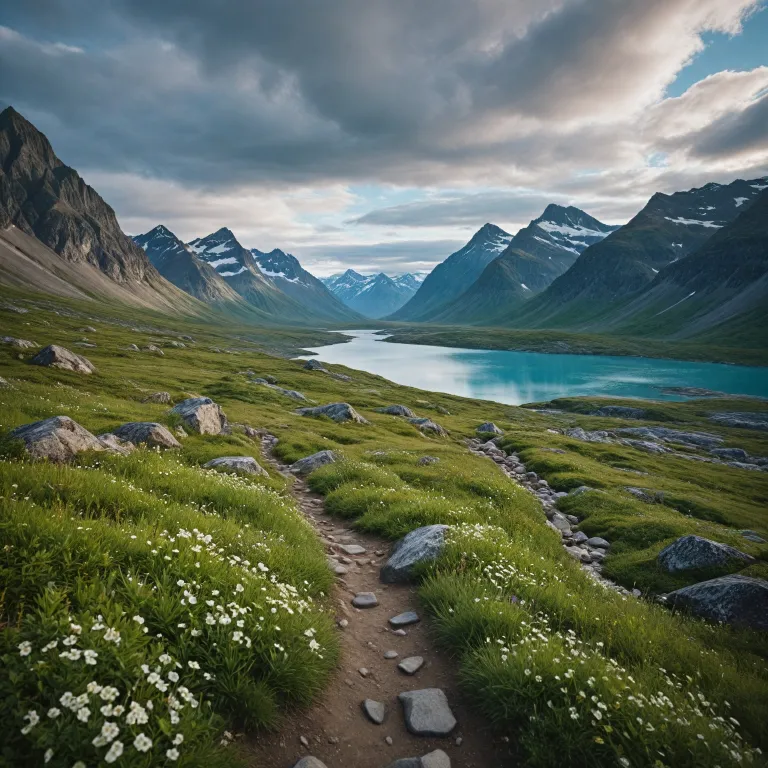
Unveiling the diversity of arctic hiking trails: landscapes and challenges
Arctic hiking trails offer a rare blend of remoteness and natural grandeur, stretching across vast regions from Greenland’s tundra to Alaska’s wild parks. Each trail, whether in a national park or a state preserve, presents unique challenges shaped by the arctic climate and terrain. The Arctic Circle Trail in Greenland, for example, covers 165 km between Kangerlussuaq and Sisimiut, traversing valleys, rivers, and open tundra. In Alaska, the Gates of the Arctic National Park and Preserve provides a different experience, with no marked hiking trail but endless opportunities for exploration in the Brooks Range and along the Anaktuvuk Pass. The Nordkalottruta, also known as the Arctic Trail, extends over 800 km through Norway, Sweden, and Finland, offering long distance hiking through varied arctic landscapes.
Hiking arctic routes requires careful planning and respect for the environment. The absence of established trails in some areas, such as the Arctic National Wildlife Refuge, demands advanced navigation skills and self-sufficiency. State parks like Chugach State Park near Anchorage or the arctic valley road region provide more accessible hiking options, with marked trails and support facilities. Whether you choose a guided tour or an independent hike, the arctic’s pristine beauty and unpredictable weather make every trip a memorable adventure. The interplay of rivers, valleys, and peaks—such as the Arrigetch Peaks—creates a dynamic backdrop for every hiking day.
Preparation is essential for any arctic hiking trail. Carrying detailed maps, GPS devices, and sufficient supplies is critical, especially in remote areas like the Gates Arctic region or along the Dalton Highway. The diversity of the arctic’s hiking trails, from state parks to national park preserves, ensures that every hiker finds a route suited to their experience and ambition.
Essential preparation for hiking arctic trails: gear, safety, and planning
Embarking on an arctic hiking trail demands more than enthusiasm; it requires meticulous preparation and the right equipment. The arctic’s unpredictable weather and challenging terrain mean that hikers must be ready for sudden changes, from bright sunshine to snow or rain within hours. Layered clothing, waterproof outerwear, and sturdy boots are non-negotiable for any hike, whether in a state park or the remote Brooks Range. Navigation tools, including GPS and detailed maps, are vital for routes like the Arctic Circle Trail or the valley road leading into arctic national parks.
Safety is paramount on any arctic hiking trip. Always inform someone of your planned route and expected return time, especially when venturing into less-traveled areas such as the Gates of the Arctic National Park or along the Dalton Highway. Guided tours are available for those seeking expert knowledge and added security, particularly in regions like Kangerlussuaq Sisimiut or the park preserve areas of Alaska. Carrying emergency supplies, including food, water, and a first aid kit, is essential for both short and long distance hikes.
Respect for the environment is a core principle of arctic hiking. Following Leave No Trace guidelines helps preserve the fragile ecosystems found in state parks, national parks, and along every arctic hiking trail. Whether you are trekking the circle trail in Greenland or exploring the valleys near Anchorage, responsible tourism ensures these pristine landscapes remain unspoiled for future generations. For more detailed advice on planning your arctic adventure, visit arctic hiking preparation guide.
Iconic arctic hiking routes: from the Arctic Circle Trail to Alaska’s wild parks
The Arctic Circle Trail in Greenland stands as one of the most celebrated long distance hiking routes in the region. Spanning 165 km from Kangerlussuaq to Sisimiut, this trail traverses lakes, rivers, and rolling tundra, offering hikers an immersive experience in Greenland’s wild heart. The trail is well-marked, making it accessible for those with solid preparation and a sense of adventure. Along the way, hikers encounter the unique flora and fauna of the arctic, with opportunities to spot muskoxen and migratory birds.
In Alaska, the Gates of the Arctic National Park and Preserve offers a different kind of challenge. With no designated hiking trail, this park invites experienced hikers to forge their own path through the Brooks Range, the Anaktuvuk Pass, and the Arrigetch Peaks. The Dalton Highway provides access to the park’s northern reaches, while the arctic valley and state park areas near Anchorage offer more structured hiking experiences. Chugach State Park, for instance, features a network of hiking trails that cater to various skill levels.
For those seeking a cross-border adventure, the Nordkalottruta (Arctic Trail) stretches 800 km across Norway, Sweden, and Finland. This long distance route passes through national parks, valleys, and state parks, showcasing the diversity of arctic landscapes. Each of these trails—whether in Greenland, Alaska, or Scandinavia—demands respect for the environment and careful planning. For a comprehensive overview of arctic hiking destinations, explore our arctic hiking trail guide.
Wildlife and natural wonders along arctic hiking trails
Arctic hiking trails are renowned not only for their dramatic landscapes but also for their rich biodiversity. Hikers in national parks and state parks may encounter caribou, grizzly bears, wolves, and muskoxen, especially along river valleys and open tundra. Birdlife is abundant, with migratory species flocking to the arctic during the summer months. The valleys and rivers along the Arctic Circle Trail and in the Gates Arctic region provide vital habitats for these animals.
The interplay of geology and climate has shaped the arctic’s most iconic features. The Arrigetch Peaks in Alaska’s Brooks Range rise sharply from the valley floor, offering a dramatic backdrop for any hiking trail. Glacial rivers carve through the landscape, while permafrost and tundra vegetation create a unique environment for both flora and fauna. State parks like Chugach State Park near Anchorage showcase the transition from boreal forest to arctic tundra, making each hike a journey through distinct ecological zones.
Respecting wildlife is a key aspect of hiking arctic trails. Hikers are advised to maintain a safe distance from animals and to store food securely, especially in areas frequented by bears. Following park guidelines and participating in guided tours can enhance safety and provide deeper insights into the region’s natural wonders. For those interested in the intersection of conservation and adventure, the arctic’s national parks and park preserves offer unparalleled opportunities to experience nature at its most pristine.
Seasonal considerations and optimal times for arctic hiking
The arctic hiking season is defined by the region’s extreme climate, with optimal conditions typically occurring between mid-June and late-September. During this period, daylight hours are long, temperatures are milder, and river crossings are more manageable. The Arctic Circle Trail in Greenland and the state parks near Anchorage are particularly popular during these months, as snow recedes and trails become accessible. In Canada’s Ivvavik National Park, the best hiking period is from mid-June to mid-August, when wildlife is most active and the landscape is in full bloom.
Weather can change rapidly in the arctic, even during the peak hiking season. Hikers must be prepared for sudden storms, temperature drops, and challenging river crossings, especially in remote areas like the Gates of the Arctic National Park or along the Dalton Highway. The valley road leading into arctic national parks may be impassable outside the summer months, while long distance routes like the Nordkalottruta require careful planning to avoid early snowfalls.
Day trips are possible in more accessible state parks, but multi-day hikes along the circle trail or in the Brooks Range demand greater preparation. Guided tours are available for those seeking expert support, particularly in regions where navigation and safety are paramount. Understanding the seasonal rhythms of the arctic is essential for a successful hiking experience, ensuring that every trip is both safe and rewarding.
Guided tours, independent hiking, and responsible tourism in the arctic
Choosing between a guided tour and independent hiking is a key decision for anyone exploring arctic hiking trails. Guided tours offer the expertise of local guides, who provide valuable insights into the region’s ecology, history, and safety protocols. This is especially beneficial in challenging areas like the Gates Arctic region, the park preserve zones, or along the Kangerlussuaq Sisimiut route in Greenland. Guided tours often include logistics support, making them ideal for those new to arctic hiking or seeking a deeper understanding of the landscape.
Independent hiking appeals to experienced adventurers who relish the challenge of navigating unmarked trails and remote valleys. In places like the Arctic National Wildlife Refuge or the Brooks Range, self-sufficiency and advanced planning are essential. Hikers must carry all necessary supplies, from food and water to emergency equipment, and be prepared for the unexpected. The sense of accomplishment that comes from completing a long distance hike in the arctic is unparalleled, but it comes with significant responsibility.
Responsible tourism is at the heart of every arctic hiking experience. Following Leave No Trace principles, respecting wildlife, and supporting local communities help preserve the region’s unique character. Whether hiking a state park trail near Anchorage or embarking on a multi-day trip along the circle trail, every hiker plays a role in safeguarding the arctic’s natural heritage. As one expert notes, “Always check weather conditions before embarking on a hike. Be prepared for sudden weather changes and challenging terrains. Inform someone about your hiking plans and expected return time. Carry sufficient supplies, including food, water, and emergency equipment. Respect local wildlife and follow Leave No Trace principles.”
Innovation and sustainability in arctic hiking: technology and conservation
Advancements in gear and technology have transformed the arctic hiking experience, making it safer and more accessible than ever before. Modern navigation tools, such as GPS devices and satellite communicators, are indispensable for long distance routes like the Nordkalottruta or the Arctic Circle Trail. Lightweight, high-performance clothing and equipment enable hikers to tackle challenging conditions in state parks, national parks, and remote valleys with greater confidence.
Sustainable tourism practices are increasingly important in the arctic, where fragile ecosystems are vulnerable to disturbance. National park services and local partners are working to balance visitor access with conservation, ensuring that hiking trails remain open while protecting wildlife and habitats. Initiatives such as trail maintenance, visitor education, and community engagement are central to this effort. State parks and park preserves play a crucial role in promoting responsible hiking and fostering a culture of stewardship among visitors.
The future of arctic hiking lies in the integration of innovation and sustainability. By embracing new technologies and adhering to best practices, hikers can enjoy the region’s unparalleled beauty while minimizing their impact. Whether exploring the valleys of Alaska, the circle trail in Greenland, or the state parks near Anchorage, every step taken on an arctic hiking trail contributes to the ongoing story of conservation and adventure.
Key statistics on arctic hiking trails
- Length of Nordkalottruta (Arctic Trail): 800 km
- Length of Arctic Circle Trail: 165 km
- Optimal hiking season in Greenland: mid-June to late-September
- Best hiking period in Ivvavik National Park, Canada: mid-June to mid-August
- Summer months are the preferred hiking season in arctic regions due to milder weather conditions
Frequently asked questions about arctic hiking trails
What is the best time to hike in the Arctic?
The optimal hiking season varies by location but generally falls between mid-June and late-September when weather conditions are milder.
Are there marked trails in the Arctic?
Some areas, like the Nordkalottruta and Arctic Circle Trail, have marked paths, while others, such as the Arctic National Wildlife Refuge, do not have designated trails.
What wildlife might I encounter while hiking in the Arctic?
Depending on the region, hikers may encounter caribou, grizzly bears, wolves, muskoxen, and various bird species.
References:
• https://www.fws.gov/refuge/arctic/visit-us/activities/hiking
• https://arcticcircletrail.gl/planning/about-the-act/
• https://www.nps.gov/gaar/planyourvisit/backpackingandhiking.htm
