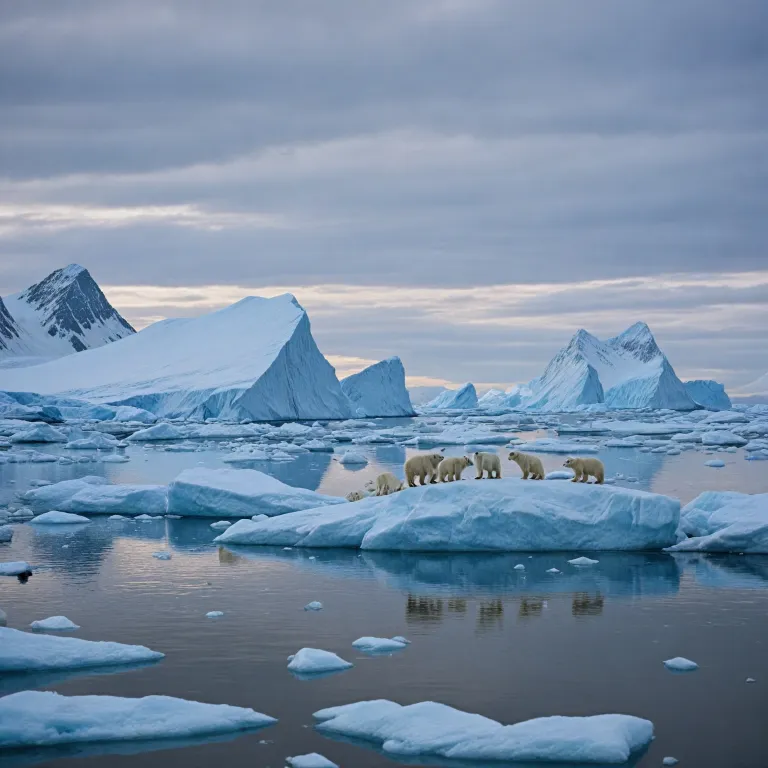
Understanding the allure of arctic wildlife tours
Arctic wildlife tours offer a unique opportunity to explore some of the planet’s most remote and pristine environments. The high arctic is home to an extraordinary array of wildlife, from the elusive arctic fox and majestic polar bear to herds of reindeer and musk oxen. These expeditions are designed for those who wish to learn about the intricate ecosystems that thrive in the wilderness, where the midnight sun and northern lights create an ever-changing backdrop. Whether you are drawn to the rugged landscapes of Svalbard, the vast pack ice of northeast Greenland, or the tundra of northern Norway, each trip promises encounters with wildlife that are both rare and unforgettable.
Travelers on arctic wildlife tours often embark on guided cruises or snowmobile excursions, venturing deep into national parks and protected areas. The best tours balance adventure with education, offering insights into the behaviors of polar bears, the migration of reindeer, and the survival strategies of arctic foxes. Whale watching is a highlight in regions like Greenland and Iceland, where the chance to spot humpbacks, orcas, and other marine mammals draws enthusiasts from around the world. Each day brings new opportunities to spot wildlife, capture stunning photo tour moments, and immerse oneself in the silence and grandeur of the polar wilderness.
With increasing interest in eco-tourism and sustainable travel, arctic wildlife tours have become a model for responsible exploration. Operators partner with local conservation organizations and indigenous communities to ensure that every expedition supports both the environment and the people who call the arctic home. The experience is not only about seeing wildlife but also about understanding the delicate balance that sustains life in these extreme conditions. For those seeking the best in adventure, education, and conservation, arctic wildlife tours stand apart as a truly transformative journey.
Iconic destinations: from Svalbard to northeast Greenland
Svalbard is renowned as one of the best places to spot polar bears in their natural habitat. With an estimated 2,500 individuals, the Svalbard archipelago offers unparalleled opportunities to observe these apex predators as they roam the pack ice and hunt for seals. Expeditions here often include visits to national parks, where travelers may also encounter reindeer, arctic foxes, and a remarkable diversity of bird species—over 200 have been recorded in the arctic region. The unique geography of Svalbard, with its glaciers, fjords, and midnight sun, provides a dramatic setting for wildlife photography and exploration.
Northeast Greenland is another premier destination for arctic wildlife tours, especially for those interested in the rugged wilderness and the chance to see musk oxen and reindeer. The vast expanses of east Greenland are best explored on guided cruises or hiking expeditions, where the silence is broken only by the calls of seabirds or the distant blow of a whale. Greenland national parks are among the largest and most remote in the world, offering a sense of isolation and grandeur that is unmatched. Whale watching is particularly rewarding in these waters, with opportunities to spot humpbacks, narwhals, and belugas.
For travelers seeking variety, the routes between Greenland, Iceland, and northern Norway present a tapestry of arctic experiences. Tromso serves as a gateway to the high arctic, with expeditions venturing north to spot polar bears, arctic foxes, and the mesmerizing northern lights. Wrangel Island, located in the Russian Arctic, is famed for its dense population of polar bears and is a highlight for those on longer arctic wildlife tours. Each destination offers its own blend of wildlife, landscapes, and cultural encounters, ensuring that every trip is both unique and deeply rewarding.
Wildlife encounters: polar bears, arctic foxes, and more
The highlight of many arctic wildlife tours is the chance to observe polar bears in their natural environment. These magnificent animals are most commonly seen in Svalbard, northeast Greenland, and Wrangel Island, where they patrol the pack ice in search of prey. Guided expeditions use specialized boats and snowmobiles to access remote areas, maximizing the chances of safe and respectful wildlife encounters. The thrill of spotting a polar bear against the stark white landscape is matched only by the opportunity to learn about their behaviors and the challenges they face in a changing climate.
Arctic foxes are another iconic species, known for their adaptability and striking seasonal coats. Travelers may spot arctic foxes darting across the tundra or scavenging near bird colonies. Reindeer and musk oxen roam the open wilderness of Greenland and northern Norway, often moving in herds that provide excellent photo opportunities. Whale watching is a central feature of arctic wildlife tours, with species such as humpbacks, orcas, and pilot whales frequently sighted in the waters off Greenland, Iceland, and Norway.
Birdlife in the arctic is equally impressive, with over 200 species recorded, including puffins, guillemots, and snowy owls. Each day on an arctic wildlife tour brings new opportunities to spot wildlife, whether from the deck of a cruise ship, the seat of a snowmobile, or on foot during a guided hike. For those seeking the best spots for wildlife observation, the combination of expert guides and innovative eco-friendly transportation ensures a memorable and sustainable experience.
Experiencing the arctic wilderness: activities and expeditions
Arctic wildlife tours are defined by their immersive activities, which range from guided boat cruises to snowmobile safaris and hiking expeditions. Each method offers a different perspective on the wilderness, allowing travelers to explore the diverse habitats that support arctic wildlife. Boat tours are ideal for whale watching and accessing remote islands, while snowmobile excursions provide access to inland areas where reindeer, musk oxen, and arctic foxes are commonly found. Hiking in the tundra reveals the subtle beauty of the landscape and the resilience of its inhabitants.
Photo tours are increasingly popular, offering participants the chance to capture the dramatic light and wildlife of the high arctic. The midnight sun creates unique photographic conditions, while the northern lights add a magical element to winter expeditions. Each trip is carefully planned to maximize wildlife sightings, with expert guides sharing their knowledge of animal behavior, migration patterns, and the best times of day for observation. The use of binoculars and spotting scopes enhances the experience, allowing for detailed views of distant animals without disturbing their natural routines.
Expeditions often include visits to national parks and protected areas, where conservation efforts are most visible. Travelers learn about the importance of preserving these ecosystems and the role of sustainable tourism in supporting local communities. The best arctic wildlife tours balance adventure with education, ensuring that every activity contributes to a deeper understanding of the region. For those seeking a comprehensive experience, combining multiple activities—such as a cruise followed by a snowmobile safari—offers the most rewarding way to explore the arctic wilderness.
Planning your arctic wildlife tour: practical tips and considerations
Preparation is key to making the most of your arctic wildlife tour. Dressing in layers is essential to accommodate the region’s variable temperatures, especially during activities that span several days. Waterproof gear and sturdy footwear are recommended for hiking and snowmobile excursions, while thermal clothing ensures comfort during extended periods outdoors. Travelers should also pack personal items such as medications and identification, as facilities in remote areas may be limited.
Safety is a top priority on all arctic wildlife tours, with reputable operators providing detailed guidelines and expert supervision. As one trusted source notes, "Yes, when conducted with reputable tour operators who prioritize safety and environmental responsibility." Following these guidelines helps minimize environmental impact and ensures a positive experience for both travelers and wildlife. It is also important to respect the advice of guides, who are trained to recognize the signs of animal stress and to maintain safe distances during encounters.
Choosing the best time for your trip depends on your interests and the wildlife you hope to see. Summer months are ideal for whale watching in Iceland and Norway, while winter offers the chance to observe land mammals and the northern lights in Sweden and Greenland. Each season brings its own highlights, from the arrival of migratory birds to the spectacle of the midnight sun. By planning carefully and selecting the right expedition, travelers can maximize their chances of memorable wildlife encounters and meaningful learning experiences.
Supporting conservation and local communities through arctic travel
Arctic wildlife tours play a vital role in supporting conservation efforts and local economies. By partnering with indigenous communities and national park services, tour operators ensure that tourism benefits those who live and work in the region. Many expeditions include educational components that highlight the importance of preserving arctic ecosystems and the challenges posed by climate change. Travelers are encouraged to learn about local traditions and to support sustainable practices that protect both wildlife and cultural heritage.
Innovation in eco-friendly transportation and responsible tourism practices is central to the success of arctic wildlife tours. Operators use specialized boats and snowmobiles designed to minimize environmental impact, while guides are trained in best practices for wildlife observation. The goal is to provide an authentic and immersive experience without compromising the integrity of the wilderness. As interest in eco-tourism grows, the arctic serves as a model for how adventure travel can contribute to conservation and community well-being.
By choosing arctic wildlife tours that prioritize sustainability, travelers become advocates for the region’s future. Each trip raises awareness of the unique challenges facing the arctic and inspires greater support for conservation initiatives. The impact of responsible travel extends beyond individual experiences, contributing to the long-term preservation of one of the world’s most extraordinary environments. For those seeking to make a difference, arctic wildlife tours offer a meaningful way to connect with nature and support positive change.
Key statistics on arctic wildlife tours
- Estimated number of polar bears in Svalbard: 2,500 individuals
- Number of bird species in the Arctic: 200 species
- Annual visitors to Arctic National Wildlife Refuge: 17,000 visitors
Frequently asked questions about arctic wildlife tours
What is the best time to visit the Arctic for wildlife tours?
The optimal time varies by location and target species. For example, summer months are ideal for whale watching in Iceland and Norway, while winter months are better for observing land mammals in Sweden.
Are Arctic wildlife tours safe?
Yes, when conducted with reputable tour operators who prioritize safety and environmental responsibility.
What should I pack for an Arctic wildlife tour?
Essential items include thermal clothing, waterproof gear, sturdy footwear, and personal items like medications and identification.
