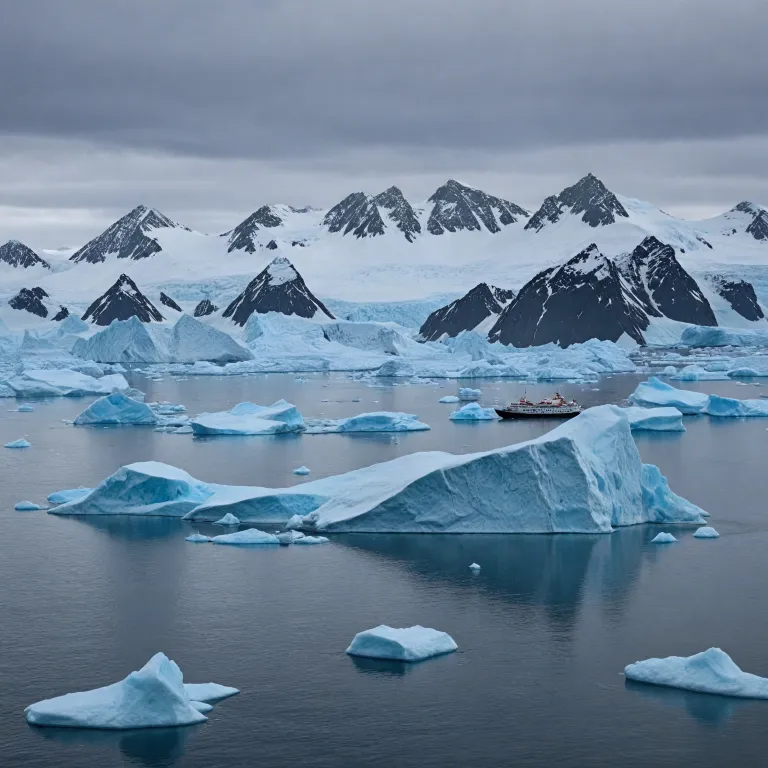
Planning your antarctic cruise: best time, routes, and cruise lines
Embarking on an antarctic cruise is a transformative journey that requires careful planning and thoughtful preparation. The best time to visit antarctica is during the Austral summer, from November to March, when temperatures hover around 0°C and wildlife is at its most active. During this period, cruise lines offer a variety of itineraries, with many expeditions departing from Ushuaia, Buenos Aires, or Punta Arenas. Some routes include visits to the antarctic peninsula, south georgia, and even the remote islands near tierra del fuego and del fuego. When selecting your cruise, consider the size and amenities of the ship, as smaller expedition vessels provide more intimate wildlife encounters and flexible landings. Holland America and other reputable cruise lines offer specialized antarctica cruises, each with unique features and expert-led expeditions. Booking your trip antarctica at least 12-18 months in advance ensures access to the best cabins and departure dates. Remember, flexibility is essential, as antarctic weather can alter even the most meticulously planned itineraries. For those seeking in-depth travel tips, consult with experienced operators and review detailed antarctic cruise tips before finalizing your plans.
Preparing for the journey: what to bring and how to pack for antarctic expeditions
Efficient packing is crucial for a successful antarctic expedition cruise. Layered clothing is essential, as weather conditions can shift rapidly between sun, wind, and snow. Bring thermal base layers, insulating mid-layers, and waterproof outer shells to adapt to the antarctic climate. High-SPF sunscreen and UV-protective sunglasses are indispensable, given the intense sun reflecting off ice and snow. Specialized cold-weather gear, such as gloves, hats, and neck gaiters, should be included in your packing list. Most cruises antarctica provide waterproof boots for shore landings, but verify with your cruise operator in advance. When preparing for the drake passage crossing, pack seasickness medication and consult your physician for additional travel tips. Comprehensive travel and medical insurance, covering emergency evacuation, is mandatory for all antarctica expeditions. Secure your travel documents, including visas for transit countries like argentina and chile, as you may pass through buenos aires or punta arenas en route to your ship.
On board the ship: life, amenities, and engaging with expedition staff
Life on board an antarctic expedition cruise ship is both comfortable and immersive. Modern ships are equipped with amenities such as observation lounges, lecture halls, and wellness facilities, ensuring a pleasant journey even in remote waters. Daily briefings and educational sessions led by expedition staff—experts in marine biology, ornithology, and glaciology—enrich your understanding of the antarctic environment. Engage with these guides to gain insights into the region’s unique ecology and history. Meals are typically served in communal dining rooms, fostering camaraderie among travelers sharing the same passion for antarctica. Tipping policies vary by cruise lines, so familiarize yourself with guidelines before your trip. Onboard activities may include photography workshops, wildlife lectures, and documentary screenings, all designed to enhance your antarctica cruise experience. The ship’s crew ensures safety and comfort, while eco-friendly technologies minimize environmental impact. For those interested in sustainable travel, many cruise lines now partner with environmental organizations and local research stations.
Wildlife encounters and shore excursions: maximizing your antarctic experience
One of the most compelling aspects of an antarctica cruise is the opportunity to observe extraordinary wildlife in its natural habitat. Expeditions frequently include zodiac boat excursions and onshore landings, allowing guests to witness penguins, seals, whales, and seabirds up close. The maximum number of passengers allowed ashore simultaneously is limited to 100, ensuring minimal impact on the fragile ecosystem. The antarctic peninsula and south georgia are renowned for their dense colonies of king penguins and elephant seals, while the surrounding waters teem with orcas and humpback whales. Expedition staff guide each landing, providing context on the region’s biodiversity and conservation efforts. Bring binoculars and a camera with a telephoto lens to capture these unforgettable moments. Weather conditions can change rapidly, so always follow the advice of your guides and remain flexible with your plans. For those seeking the best wildlife encounters, the early and late summer months offer distinct opportunities, from penguin chick hatching to whale migrations.
Navigating the drake passage and understanding antarctic weather
The drake passage, a legendary stretch of water between south america and antarctica, is both a rite of passage and a logistical challenge for cruise antarctica travelers. Weather in this region is notoriously unpredictable, with strong winds and high swells common during the crossing drake. Prepare by bringing seasickness medication and following your physician’s advice. Ships are designed to withstand these conditions, and experienced crews ensure safety throughout the journey. The crossing typically takes two days each way, offering time to attend lectures, spot seabirds, and acclimate to life at sea. Once in antarctic waters, the weather remains variable, with temperatures averaging around 0°C during the cruise season. Layered clothing and waterproof gear are essential for shore excursions and zodiac rides. Flexibility is key, as itineraries may change due to ice conditions or sudden storms. The expertise of your expedition staff is invaluable—engage with them to learn about the region’s climate and how it shapes wildlife behavior. As one expert notes: "The Drake Passage can be rough; it's advisable to bring seasickness medication and consult with your physician before the trip." This advice is echoed by seasoned travelers and underscores the importance of preparation for antarctic expeditions.
Expert antarctic cruise tips: sustainability, safety, and making the most of your trip
Responsible travel is at the heart of every antarctica expedition. Cruise lines increasingly adopt eco-friendly technologies and partner with environmental organizations to minimize their impact on this pristine region. Travelers are encouraged to follow strict guidelines, such as cleaning boots before landings and maintaining a respectful distance from wildlife. Safety briefings are conducted regularly, and emergency protocols are in place to address any situation. Comprehensive travel insurance, including medical evacuation coverage, is mandatory for all passengers. Engage with expedition staff to deepen your understanding of antarctica’s ecology and the importance of conservation. Stay flexible, as weather and ice conditions may necessitate changes to your itinerary. The best antarctic cruise tips emphasize preparation, adaptability, and respect for the environment. Whether you are traveling solo or with a group, the memories forged on an antarctic cruise will last a lifetime. For further travel tips and expert advice, consult with your cruise operator and review the latest guidelines for antarctica expeditions.
Key statistics for antarctic cruise travelers
- Average temperature during antarctic cruise season: 0°C
- Maximum number of passengers allowed ashore simultaneously: 100 passengers
Frequently asked questions about antarctic cruises
What is the best time to go on an antarctic cruise?
The optimal time is during the Austral summer, from November to March, when temperatures are milder and wildlife is most active.
Do I need a visa to visit Antarctica?
Antarctica does not belong to any one country, so no visa is required. However, you may need visas for the countries you transit through to reach your departure point.
What wildlife can I expect to see on an antarctic cruise?
Common sightings include various species of penguins, seals, whales, and seabirds.
