Understanding Arctic seasons: when is the best time to visit?
The Arctic offers a dramatic transformation across its seasons, making the best time to visit the Arctic a nuanced decision. During the summer months, from mid-June to mid-September, the region is illuminated by the midnight sun, providing up to 99 days of continuous daylight in places like Svalbard. This period is ideal for travelers seeking extended days to explore the vast landscapes, observe wildlife, and experience the unique polar environment. The sea ice recedes, opening up routes for expedition ships and allowing access to remote areas such as the northwest passage and west Greenland. Wildlife sightings, including polar bears, seals, and migratory birds, are at their peak, making this the best time for nature enthusiasts.
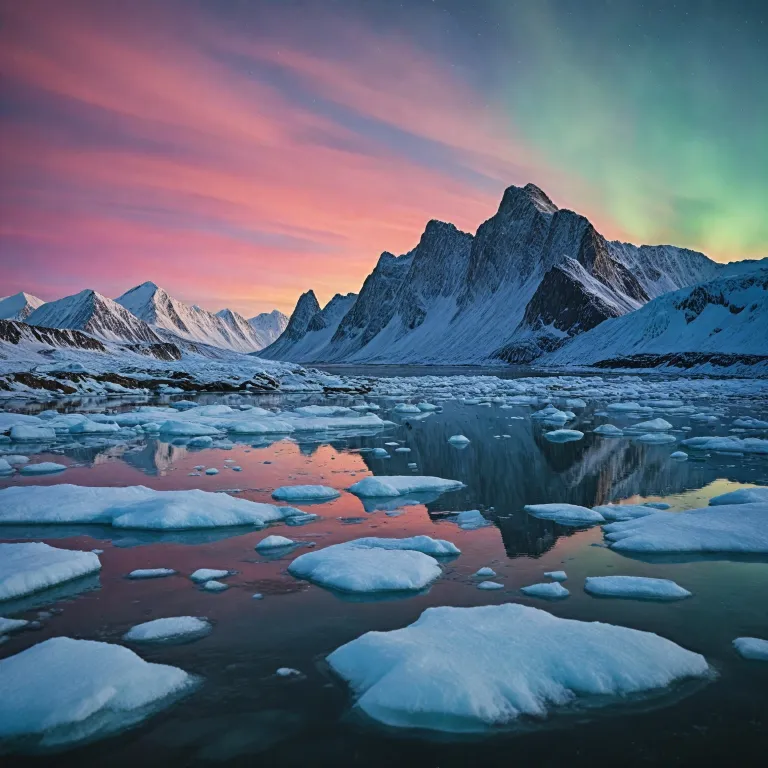
Winter in the Arctic, on the other hand, brings long nights and the magical aurora borealis, or northern lights. While the cold intensifies and sea ice thickens, this season offers a different kind of beauty, with opportunities to witness the polar night and experience the tranquility of the frozen landscape. The best time to visit the Arctic depends on your interests: summer for wildlife and exploration, winter for the northern lights and serene snowscapes. Each season presents its own challenges and rewards, so understanding the rhythm of Arctic time is essential for planning your journey.
Travelers should also consider the transition periods, such as mid-August to September, when the landscape shifts from vibrant summer to the first hints of autumn. This is a prime time to catch the northern lights as darkness returns to the Arctic Circle, especially in east Greenland and Svalbard. The dynamic interplay between ice, sea, and sky during these months creates unforgettable moments for those who visit the Arctic.
Wildlife encounters: timing your visit for polar bears and more
One of the main draws for Arctic travel is the chance to observe wildlife in its natural habitat, with polar bears being the most iconic residents. The best time to visit the Arctic for wildlife is during the summer months, particularly from mid-July to mid-August, when sea ice retreats and animals congregate along the shores. In Svalbard, home to an estimated 3,000 polar bears, travelers can witness these majestic creatures hunting on the ice or swimming in the frigid waters. Expedition ships and guided land tours offer safe and respectful ways to view wildlife, ensuring minimal disturbance to their environment.
Beyond polar bears, the Arctic teems with life during the summer. Seals, walruses, and whales are frequently spotted in the open sea, while migratory birds flock to the tundra to breed. The northwest passage and west Greenland are particularly rich in biodiversity during this season, making it the best time for wildlife photography and observation. "Travelers should be aware of cold temperatures and remote locations; it's advisable to have comprehensive travel insurance and consult with tour operators regarding safety measures." This expert advice underscores the importance of preparation when planning wildlife encounters in the Arctic.
For those interested in unique species, the late summer and early autumn months, especially August and September, offer a chance to see animals preparing for the harsh winter ahead. The interplay between wildlife, ice, and the changing season creates a dynamic environment that rewards patient and respectful observation.
Exploring Arctic destinations: Greenland, Svalbard, and beyond
Choosing the best time to visit the Arctic also means selecting the right destination. Greenland, Svalbard, Iceland, and the elusive north pole each offer distinct experiences shaped by their geography and climate. Greenland’s west coast, accessible during the summer months, reveals dramatic fjords, calving glaciers, and vibrant Inuit communities. East Greenland, less frequented but equally stunning, is best explored in late summer when sea ice allows passage for expedition ships. Svalbard, located deep within the Arctic Circle, is renowned for its rugged landscapes and abundant wildlife, particularly during the peak of summer.
The northwest passage, a legendary sea route connecting the Atlantic and Pacific Oceans, becomes navigable as sea ice recedes in late July and August. This is the best time for adventurous travelers to embark on polar expeditions, following in the footsteps of historic explorers. Iceland, while technically just south of the Arctic Circle, serves as a gateway to Arctic travel, offering unique opportunities to witness the aurora borealis and explore volcanic landscapes. "The Northern Lights are best viewed from late August to early April, with peak visibility during the winter months." This expert insight highlights the importance of timing your visit for optimal aurora viewing.
Each destination within the Arctic has its own rhythm, shaped by the interplay of ice, sea, and season. Whether you seek the wildlife of Svalbard, the cultural richness of Greenland, or the remote beauty of the north pole, understanding the best time to visit is key.
Experiencing the midnight sun and polar day
One of the most remarkable phenomena in the Arctic is the midnight sun, a period when the sun never sets and days stretch endlessly. From mid-June to mid-July, regions like Svalbard experience up to 99 days of continuous daylight, transforming the landscape and offering unparalleled opportunities for exploration. This is the best time to visit the Arctic for those who wish to maximize their time outdoors, as the extended daylight allows for longer excursions, wildlife viewing, and photography. The interplay of light and shadow across the ice and sea creates a surreal atmosphere that is unique to the polar regions.
The midnight sun also has a profound impact on wildlife behavior. Animals such as polar bears, reindeer, and Arctic foxes take advantage of the abundant daylight to forage and raise their young. Travelers can witness these natural rhythms firsthand, gaining a deeper appreciation for the resilience and adaptability of Arctic wildlife. Expedition ships and guided tours are timed to coincide with the peak of the polar day, ensuring that visitors experience the full magic of the season.
As the season progresses, the return of darkness in August and September signals the end of the midnight sun and the beginning of the aurora borealis season. This transition period is a favorite among seasoned Arctic travelers, offering a blend of long days and the first glimpses of the northern lights.
Planning your Arctic expedition: practical tips and sustainable travel
Successful Arctic travel requires careful planning and respect for the region’s unique challenges. The best time to visit the Arctic often coincides with peak demand, so booking tours and accommodations well in advance is essential. Layered clothing is recommended to adapt to fluctuating temperatures, especially during the transition from summer to autumn. Expedition ships and icebreaker vessels are equipped to navigate the shifting sea ice, providing access to remote destinations such as the northwest passage and east Greenland.
Sustainability is a growing priority in Arctic tourism. Operators increasingly utilize eco-friendly technologies and collaborate with local Indigenous communities to minimize environmental impact. "How can I minimize my environmental impact when visiting the Arctic? Choose tour operators that follow sustainable practices, minimize waste, and respect local wildlife and cultures." This guidance is crucial for preserving the fragile Arctic ecosystem for future generations. Travelers are encouraged to support conservation initiatives and participate in educational programs offered by wildlife organizations and Indigenous hosts.
Health and safety are paramount in the Arctic’s remote environment. Comprehensive travel insurance, awareness of local conditions, and adherence to expert advice ensure a safe and rewarding journey. By choosing the best time to visit the Arctic and following sustainable practices, travelers contribute to the ongoing protection of this extraordinary region.
Immersing in Arctic culture: Indigenous communities and local experiences
Beyond its natural wonders, the Arctic is home to vibrant Indigenous cultures that offer unique perspectives on life in the polar regions. Visiting during the best time to experience local festivals, traditions, and storytelling enriches any Arctic journey. Greenland’s Inuit communities, for example, welcome visitors during the summer months, sharing their knowledge of the land, sea, and wildlife. Svalbard and Iceland also host cultural events that celebrate the resilience and creativity of Arctic peoples.
Engaging with Indigenous guides provides invaluable insights into the history, ecology, and spiritual significance of the Arctic landscape. Travelers can participate in traditional activities such as dog sledding, fishing, and crafts, deepening their connection to the region. The best time to visit the Arctic for cultural immersion often aligns with the summer and early autumn, when communities are most active and accessible.
Supporting local economies and respecting cultural protocols are essential aspects of responsible Arctic travel. By choosing tours that prioritize collaboration with Indigenous hosts, visitors help sustain traditional livelihoods and promote cross-cultural understanding. The interplay of culture, wildlife, and the ever-changing ice makes each Arctic visit a transformative experience.
Choosing your Arctic adventure: expedition ships, guided tours, and more
The mode of travel significantly shapes your Arctic experience. Expedition ships, equipped to navigate sea ice and remote passages, offer access to destinations such as the northwest passage, west Greenland, and the north pole. These vessels provide expert-led excursions, wildlife viewing opportunities, and educational programs in partnership with organizations like Lindblad Expeditions and National Geographic. Guided land tours and wildlife safaris are ideal for those seeking close encounters with Arctic flora and fauna, especially during the best time to visit the Arctic.
Travelers can choose from a range of itineraries, from short explorations of Iceland’s Arctic Circle to extended voyages through east Greenland and Svalbard. The timing of your journey—whether in the height of summer, the transition of August September, or the depths of winter—determines the phenomena and wildlife you will encounter. The flexibility of expedition ships allows for spontaneous detours in response to changing ice conditions and wildlife sightings, enhancing the sense of adventure.
Innovations in Arctic travel, such as eco-friendly vessels and advanced navigation tools, have made the region more accessible while prioritizing environmental stewardship. By selecting the best time to visit the Arctic and choosing reputable operators, travelers ensure a safe, enriching, and sustainable adventure in one of the world’s last great wildernesses.
Key Arctic travel statistics
- Average summer temperature: 5°C
- Duration of midnight sun in Svalbard: 99 days
- Polar bear population in Svalbard: 3,000 individuals
Frequently asked questions about the best time to visit the Arctic
What is the best time to see the Northern Lights in the Arctic?
The Northern Lights are best viewed from late August to early April, with peak visibility during the winter months.
Are there any health risks associated with traveling to the Arctic?
Travelers should be aware of cold temperatures and remote locations; it's advisable to have comprehensive travel insurance and consult with tour operators regarding safety measures.
How can I minimize my environmental impact when visiting the Arctic?
Choose tour operators that follow sustainable practices, minimize waste, and respect local wildlife and cultures.
- alaska.org
- intrepidtravel.com
- wikipedia.org
