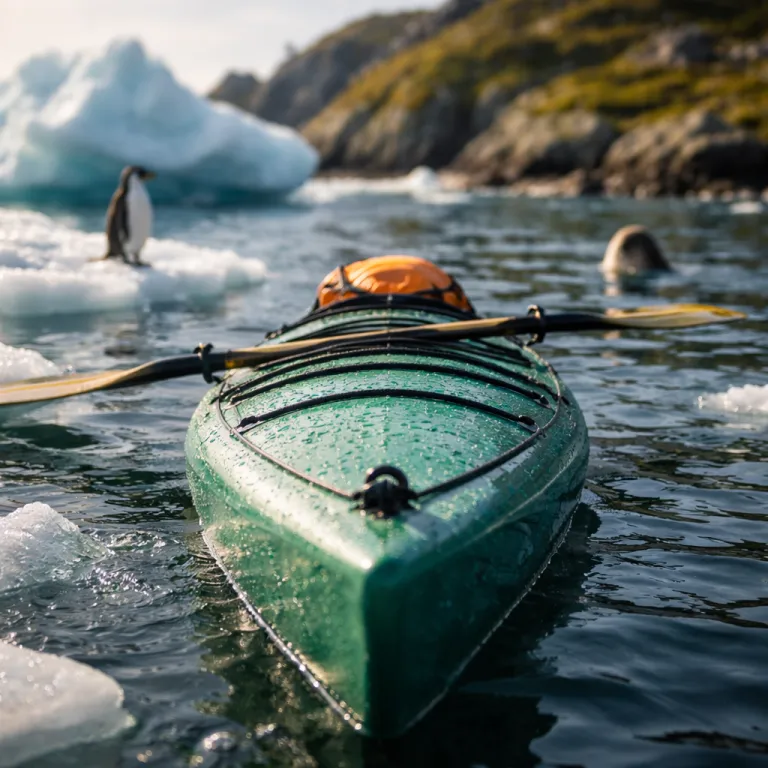
When a kayak turns your Antarctic Peninsula cruise into an expedition
Kayaking along the Antarctic Peninsula is sold as an optional extra, yet for some travelers it quietly defines the entire Antarctica adventure. On a well run Antarctic Peninsula kayaking expedition, the kayak becomes your front row seat to ice architecture, low cloud and the quiet shuffle of penguins on shore, while the ship and zodiac boat operations fade into the background. Before you book, you need to read beyond the brochure and understand when kayaking Antarctica genuinely deepens the experience and when it is just an expensive cold splash.
Operators now offer two broad models for sea kayaking in Antarctica, and the difference matters more than the colour of your dry bag. Dedicated kayak Antarctica programs run as a parallel polar expedition, with a small group of paddlers heading out on most landing days, while basecamp style voyages fold a single short kayaking experience into a wider menu of activities. If you want your trip Antarctica to feel like a true polar waters journey rather than a scenic cruise, you should treat these models as separate products, not variations of the same trip.
Dedicated programs suit travelers who already love kayaking and are comfortable spending long hours on cold sea water, while introductory basecamp sessions work better for those who simply want to try a kayak once. The cost difference on an expedition cruise can be significant, yet the value depends entirely on how often the guides can safely launch in changing weather conditions and shifting pack ice. Think of the upcharge as payment for time at water level with wildlife, not just for the right to say you went sea kayaking in Antarctica.

Dedicated kayak programs versus basecamp tasters
On a dedicated Antarctic Peninsula kayaking expedition, you join a capped small group that paddles whenever conditions allow, often from the first calm morning after the Drake Passage crossing. These programs typically use stable double kayaks, dry suits and full safety gear, with one guide for every small cluster of guests to manage polar waters risks. Many polar operators describe working ratios in the region of one guide per six to eight paddlers, and often plan four to eight outings on a typical ten to twelve day voyage, always subject to ice and wind.
Basecamp style trips Antarctica flip that balance and treat kayaking as one activity among many, offered once or twice during the expedition cruise if ice and wind cooperate. You might queue for a short rotation in a sheltered bay, sharing kayaks with other guests and returning to the ship in under an hour, which still delivers a memorable kayaking experience but not a full Antarctica adventure. For some travelers this lighter model is ideal, especially if they are unsure about fitness, cold tolerance or how they will handle the scale of the Antarctic landscape.
When you read any review of kayaking Antarctica, look for detail about how many outings actually ran, not just how many were scheduled. Ask operators whether the kayak Antarctica program has its own dedicated guides and zodiac boat support, or whether staff are shared with hiking and photography groups. For a deeper breakdown of how different operators structure polar expedition logistics across the White Continent, see our in depth guide to exploring Antarctica travel on the White Continent, which explains how ship size, landing rules and wildlife viewing windows all intersect.

What you see from a kayak that zodiacs never quite deliver
From a distance, a zodiac cruise and a sea kayaking session can look similar on the daily program, yet the on water experience is radically different. In a kayak you sit at the level of the sea, feeling the small lift of swell against the hull and hearing the granular crackle of ice beneath the surface, while the ship shrinks to a quiet silhouette behind you. That proximity changes how you meet wildlife, how you read the Antarctic light and how you remember the trip years later.
Leopard seals and curious penguins sometimes approach silently, sliding through polar waters until they are almost under your paddle, a kind of encounter that rarely happens from a noisy zodiac boat. You may watch porpoising penguins stitch black arcs across the sea, or see humpback whales surface at a respectful distance, their breath hanging in the cold air while your small group holds position among scattered pack ice. Under the kayak, blue ice formations glow like stained glass, and you finally understand why so many paddlers highly recommend paying extra for a full kayaking experience in this part of Antarctica.
One guest on a recent Antarctic Peninsula voyage described drifting in a sheltered cove with engines off, listening only to the drip of meltwater and the occasional penguin call, and later said it was the moment the cruise “stopped feeling like a tour and started feeling like an expedition.” That kind of immersion is not guaranteed, because changing weather conditions can push wind above safe limits or drive brash ice into narrow channels, cancelling planned sessions at short notice. If you value that level of engagement, consider pairing your Antarctic expedition with other human powered journeys, such as hiking under the midnight sun in Norway, where our guide to hiking in the Lofoten Islands under the midnight sun and northern lights explores a very different yet equally elemental coastline.

Cost, fitness and the reality behind “no experience needed”
Most operators market their Antarctic Peninsula kayaking expedition with the reassuring line that no previous kayaking experience is required, and technically they are correct. Guides use wide, stable double kayaks, provide dry suits and insist on safety briefings, which makes the activity accessible to many travelers who have never held a paddle before. Operator FAQs commonly answer the question “Do I need kayaking experience?” with a simple “No, beginners are welcome,” reflecting years of incident reports that suggest well managed programs can include first time paddlers.
That does not mean every traveler will enjoy kayaking Antarctica in the same way, because cold air, layered clothing and unfamiliar movements can quickly drain energy. You should be comfortable sitting still for long periods, able to paddle steadily for at least an hour and relaxed about getting splashed by near freezing sea water while surrounded by ice. If you already enjoy regular kayaking at home, you will likely adapt quickly to polar expedition routines, while complete beginners may prefer a shorter basecamp style session rather than a full program.
Financially, the upcharge for kayak Antarctica access can rival the cost of a substantial side trip in Patagonia, such as a multi week voyage from Buenos Aires to Cape Horn and beyond, so you should weigh it against other travel priorities. If your main goal is to see wildlife like penguins, seals and humpback whales, a well run zodiac boat program on an expedition cruise can deliver excellent sightings without the extra fee. I only highly recommend paying for the dedicated kayak program when you know you want repeated immersion in polar waters, are realistic about your fitness and are willing to accept that some outings will be cancelled due to weather conditions or dense pack ice.
Quick Antarctic Peninsula kayaking facts, booking questions and packing checklist
- Average summer temperature on the Antarctic Peninsula hovers around 0 °C, which shapes how long guests can comfortably remain in kayaks on open water. Climate summaries from national polar research programs typically quote seasonal means between about −2 °C and +3 °C along the coast.
- Three main penguin species commonly seen during an Antarctic Peninsula kayaking expedition are gentoo, chinstrap and Adélie penguins, each using sea ice and coastal rookeries differently.
- The core kayaking season in Antarctica typically runs from November to March, aligning with milder weather conditions, longer daylight and more accessible pack ice corridors.
- Key questions to ask before booking include: how many kayak outings are realistically expected in that month, what guide to guest ratio is used on the water, whether there is a dedicated support zodiac for the kayak group and how often past departures have had to cancel sessions due to wind or ice.
- Moisture wicking thermal base layers (top and bottom)
- Fleece or wool mid layer plus an insulated jacket for deck time
- Warm hat, neck gaiter or buff, and waterproof gloves or pogies
- Thick wool or synthetic socks to wear inside the dry suit
- Small dry bag for camera, spare gloves and personal items
- Lightweight sunglasses, sunscreen and lip balm for reflected glare
Choosing operators that treat kayaking as true expedition
Not all Antarctic Peninsula operators treat kayaking with the same seriousness, so your choice of company will shape the entire experience. Some small ship Antarctica adventure itineraries place kayaking at the centre of the voyage, using compact vessels and flexible plans to maximise time on the sea. Other polar cruise lines have offered Antarctic Peninsula kayaking cruises with structured programs, while long established expedition companies are widely regarded as pioneers in polar kayaking, integrating environmental education into every trip Antarctica.
Across these operators, the best programs share a few traits that any careful traveler should look for before they book. They limit the kayaking group size to preserve safety and silence, maintain a strong guide to guest ratio and use dedicated support zodiacs to manage ice and changing weather conditions, rather than improvising on the day. They also frame the kayak as a way to deepen your relationship with the Antarctic environment, not just as another activity to tick off between buffet meals and a scenic cruise past penguins.
Seasonality matters as well, because the character of kayaking Antarctica shifts between November, December and February as sea ice retreats, wildlife behaviour changes and daylight stretches or contracts. Early season trips often involve more pack ice and dramatic icebergs, while later voyages can bring more active penguin colonies and increased chances of humpback whales feeding near the Antarctic Peninsula. Whatever month you choose, treat the kayak as a tool for reading the landscape slowly, and remember that the real value of any polar expedition lies less in the number of outings and more in the quality of the quiet minutes when the only sound is your paddle entering the water.

Key polar kayaking facts and figures
- Average summer temperature on the Antarctic Peninsula hovers around 0 °C, which shapes how long guests can comfortably remain in kayaks on open water. Climate summaries from national polar research programs typically quote seasonal means between about −2 °C and +3 °C along the coast.
- Three main penguin species commonly seen during an Antarctic Peninsula kayaking expedition are gentoo, chinstrap and Adélie penguins, each using sea ice and coastal rookeries differently.
- The core kayaking season in Antarctica typically runs from November to March, aligning with milder weather conditions, longer daylight and more accessible pack ice corridors.
Essential questions before booking an Antarctic Peninsula kayaking expedition
Do I need previous kayaking experience to join a polar program ?
Most Antarctic Peninsula operators design their sea kayaking programs so that beginners can participate safely, using stable double kayaks, dry suits and detailed briefings. While technical skills are not required, you should have reasonable fitness, be comfortable on the water and prepared for cold, changeable weather conditions. If you are unsure, a shorter basecamp style session is a sensible way to test your comfort level before committing to a full program.
What wildlife might I realistically see from a kayak in Antarctica ?
From a kayak you can often watch penguins commuting between colonies and the sea, observe seals resting on ice floes and occasionally see humpback whales surfacing at a respectful distance. The low vantage point and quiet movement sometimes allow more intimate encounters than a zodiac boat, especially with curious penguins that approach silently. Sightings are never guaranteed, but a well planned Antarctic Peninsula kayaking expedition usually offers varied wildlife viewing across the season.
Is kayaking in Antarctica safe when compared with zodiac cruising ?
Kayaking in Antarctica is considered safe when managed by experienced polar guides who monitor wind, ice and swell, and who carry full safety gear including radios and support zodiacs. Operators cancel outings if conditions exceed strict thresholds, which can be frustrating but is central to polar expedition safety culture. For travelers who prefer not to paddle, zodiac cruises remain an excellent and secure way to explore the Antarctic Peninsula coastline.
How should I dress and pack for a kayaking session in polar waters ?
You should dress in moisture wicking base layers, an insulating mid layer and the dry suit provided by the operator, adding a warm hat, gloves and thick socks. A small dry bag is essential for keeping cameras, spare gloves and personal items protected from spray and occasional splashes of near freezing sea water. Follow your guide’s packing list closely, as they know how local weather conditions and sea ice patterns affect comfort on any given day.
When during the season is the best time to prioritise kayaking on the Antarctic Peninsula ?
Early season voyages often feature more dramatic pack ice and pristine snow, which can make sea kayaking feel more remote but also more weather dependent. Mid season trips in December and January usually offer a balance of accessible landing sites, active penguin colonies and relatively stable conditions for multiple outings. Late season journeys into February can bring richer whale activity and softer light, which many photographers and experienced paddlers particularly value.
