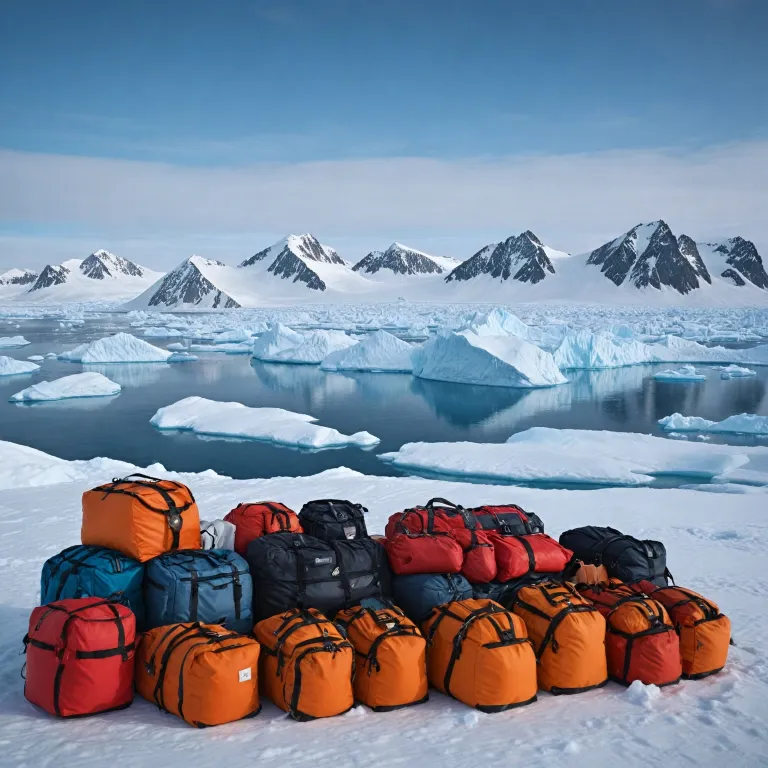
Understanding the essentials: Why a comprehensive antarctic expedition packing list matters
Traveling to Antarctica requires careful planning and a detailed antarctic expedition packing list. The polar regions present unique challenges, with temperatures averaging -2°C during the Antarctic summer and unpredictable weather that can change rapidly. Packing the right layers, including base layers such as merino wool, is crucial for maintaining warmth and comfort throughout your journey. The outer layer must be waterproof and windproof to shield against icy winds and snow, while inner layers provide insulation and moisture management.
Expedition participants will spend significant time outdoors, whether observing wildlife or embarking on guided hikes. Waterproof pants and waterproof gloves are essential to keep you dry during Zodiac landings and excursions. It is a good idea to bring multiple pairs of gloves—both insulated and waterproof gloves—to ensure your hands remain protected. Rubber boots are often provided by expedition organizers, but always confirm what will be provided before you pack. A full packing list should also include a water bottle, as hydration is vital in the dry Antarctic climate.
Layering is the foundation of any antarctica packing strategy. Start with merino wool base layers, add insulating mid-layers, and finish with a waterproof jacket and waterproof trousers. This approach allows you to adapt to changing conditions, from the Antarctic Peninsula to the islands south of the continent. Remember, what you wear and bring will directly impact your comfort and safety during the expedition.
Layering for the polar regions: Building your wardrobe for warmth and protection
Layering is the cornerstone of any antarctic expedition packing list. Begin with high-quality base layers, such as merino wool tops and bottoms, which wick moisture away from your skin and provide essential warmth. Over these, wear insulating layers—fleece or down jackets work well for trapping heat. The outer layer should be both waterproof and windproof, offering protection from snow, sleet, and the biting polar wind.
Waterproof pants and waterproof trousers are indispensable for excursions on land and during Zodiac rides. The antarctic peninsula and south georgia islands often experience wet conditions, so waterproof gloves and pants gloves are a must. Expedition organizers typically recommend bringing at least two sets of gloves: one pair of insulated gloves and another pair of gloves waterproof enough for wet landings. Boots are another critical item; while rubber boots will provided by most ships, check with your tour operator to confirm what is provided and what you need to bring.
Layering also extends to accessories. A warm hat, neck gaiter, and thermal socks are all recommended for your packing list. When preparing your antarctica packing, remember that conditions can change quickly, and having the ability to add or remove layers will keep you comfortable throughout your journey.
Footwear and accessories: Choosing boots, gloves, and extras for Antarctic comfort
Footwear is a critical component of your antarctic expedition packing list. Rubber boots are essential for wet landings and walking on icy terrain. Most expedition ships will provided these boots, but always verify with your tour operator. Waterproof boots with good grip are necessary for safety and warmth. Bring several pairs of warm socks, preferably merino wool, to keep your feet dry and comfortable.
Gloves are equally important. Waterproof gloves and insulated gloves should both be included in your packing. The polar regions can be unforgiving, and having multiple pairs of gloves waterproof enough for wet conditions is a good idea. Pants gloves, or glove liners, add an extra layer of warmth and flexibility. Accessories such as a water bottle, sunglasses with UV protection, and sunscreen should not be overlooked. The reflective snow and ice can intensify the sun’s rays, making skin and eye protection vital.
For those planning a polar plunge, pack a swimsuit and a quick-drying towel. The antarctic peninsula and islands south offer unique opportunities for this exhilarating activity. Remember, every item you bring should serve a purpose and enhance your experience in the polar regions.
Packing for daily excursions: What to wear and bring on landings and hikes
Daily excursions are a highlight of any Antarctic expedition, offering the chance to explore the antarctic peninsula, south georgia, and the islands south. Each landing requires careful consideration of what to wear and bring. Waterproof pants and a waterproof jacket are non-negotiable, as conditions can be wet and windy. Layering remains key—start with merino wool base layers, add insulating layers, and finish with a waterproof outer layer.
Rubber boots will provided by most ships, but check your packing list to ensure you have everything needed. A water bottle is essential for staying hydrated during hikes. Gloves waterproof enough for handling wet equipment and pants gloves for extra warmth should be included. Expedition organizers recommend bringing a small backpack to carry extra layers, snacks, and your camera. It is a good idea to pack a spare pair of gloves and socks in case your primary set becomes wet.
Wildlife observation and photography are central to the Antarctic experience. Binoculars, a camera with extra batteries, and lens protection are recommended. Always follow environmental guidelines to protect the fragile ecosystem.
What is provided on board: Understanding ship amenities and gear support
Expedition ships traveling to Antarctica are well equipped to support travelers in the polar regions. Most vessels will provided rubber boots for shore landings, as well as waterproof outer layer gear for those who need it. However, it is always a good idea to check with your expedition organizers about what is included and what you need to bring. Some ships offer laundry facilities, which can help reduce the amount you need to pack.
Onboard amenities often include drying rooms for wet gear, communal spaces for socializing, and educational lectures about the antarctic peninsula, south georgia, and the islands south. Water bottles are sometimes provided, but bringing your own reusable bottle is recommended to minimize environmental impact. The packing list supplied by your tour operator will detail what is provided and what is recommended bringing. "Do I need special permits to visit Antarctica? Yes, visitors must comply with the Antarctic Treaty System regulations, and expeditions are typically organized by operators who handle the necessary permits."
Meals, snacks, and hot beverages are usually included, but personal items such as toiletries, medications, and specialty gear should be packed. If you plan to participate in the polar plunge, check if towels and changing facilities are available. Understanding what is provided on board allows you to pack efficiently and ensures you have all the essentials for a successful expedition.
Expert recommendations: Finalizing your antarctic expedition packing list for a safe journey
Finalizing your antarctic expedition packing list involves careful review and attention to detail. Start by confirming what will provided by your ship and what you need to bring. Prioritize waterproof, warm, and layered clothing, including merino wool base layers, waterproof pants, and a waterproof jacket. Gloves waterproof enough for wet conditions, pants gloves for added warmth, and rubber boots are all essential. A water bottle, sunscreen, and sunglasses should also be included.
It is a good idea to pack extra layers, as conditions in the polar regions can change rapidly. The antarctic peninsula, south georgia, and islands south each present unique challenges, so tailor your packing list accordingly. "What wildlife can I expect to see in Antarctica? Common wildlife includes various species of penguins, seals, and whales." This diversity enhances the need for appropriate gear, especially for wildlife observation and photography. Expedition organizers recommend bringing a full set of clothing for both shipboard comfort and outdoor excursions.
Review your packing list with your tour operator and ask for recommendations based on your itinerary. Remember, the right gear will enhance your experience and ensure your safety in one of the world’s most remote environments. For further guidance, consult the resources provided by your expedition company and experienced travelers.
Key statistics for Antarctic expedition packing and travel
- Average summer temperature in Antarctica: -2°C
- Number of tourists visiting Antarctica annually: 50,000 people
Frequently asked questions about Antarctic expedition packing
What is the best time to visit Antarctica?
The best time to visit is during the Antarctic summer, from November to March, when temperatures are milder and wildlife is most active.
Do I need special permits to visit Antarctica?
Yes, visitors must comply with the Antarctic Treaty System regulations, and expeditions are typically organized by operators who handle the necessary permits.
What wildlife can I expect to see in Antarctica?
Common wildlife includes various species of penguins, seals, and whales.
References:
National Geographic
International Association of Antarctica Tour Operators
Antarctic Treaty System
