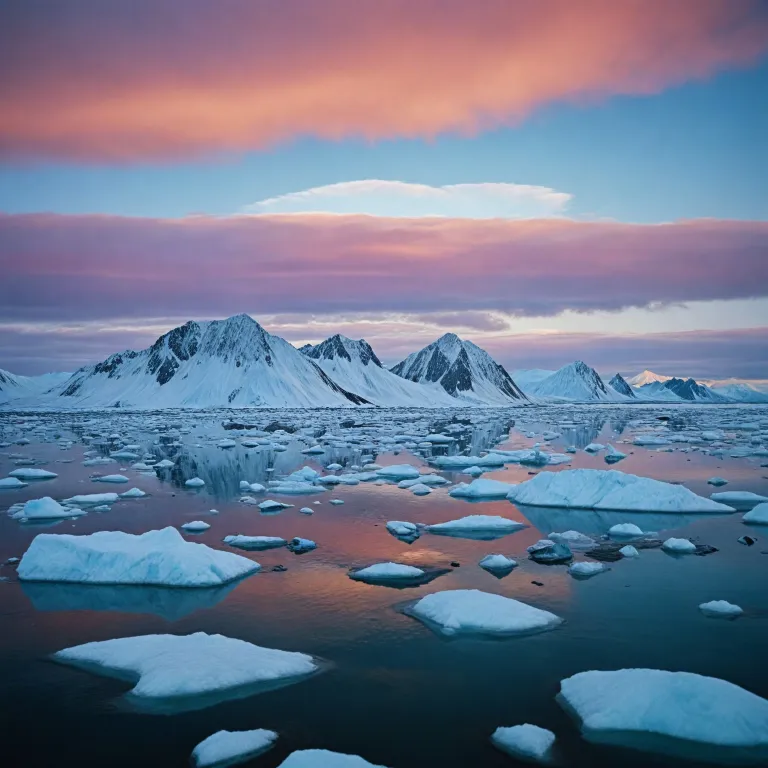
Understanding the polar regions: arctic and antarctic landscapes compared
The polar regions, the arctic and antarctic, captivate travelers with their stark beauty and extreme conditions. The arctic, encircling the north pole, is a vast ocean surrounded by landmasses such as Greenland, northern Canada, and Russia. In contrast, antarctica is a continent covered by an immense ice sheet, surrounded by the southern ocean and centered on the south pole. The arctic ocean is fringed by sea ice, which fluctuates with the seasons, while the antarctic ice sheet is the largest single mass of ice on earth. These differences shape every aspect of polar travel, from wildlife encounters to the logistics of an arctic cruise or antarctic cruise. The arctic circle marks the boundary of the northern polar region, and the antarctic peninsula extends toward the southern hemisphere, offering unique access points for travelers. Both regions present challenges and rewards for those who visit, but understanding their geography is essential for planning polar travel. The interplay of sea, ice, and land defines the experience, whether you are navigating the arctic ocean or the southern ocean. Polar cruises in both regions rely on specialized icebreaker ships to traverse sea ice and reach remote destinations. The landscapes are dynamic, with the arctic's tundra and the antarctic's towering icebergs providing a dramatic backdrop for exploration. The differences between the arctic and antarctic are not just academic; they influence every aspect of travel, from the wildlife you will see to the conditions you will face.
Wildlife encounters: polar bears, penguins, and unique species of the arctic and antarctic
Wildlife is a major draw for travelers seeking arctic vs antarctic travel experiences. The arctic is renowned for its polar bears, which roam the sea ice hunting for seals, and for arctic foxes, reindeer, and walruses. In the summer, the region bursts with migratory birds and marine mammals, making it a prime destination for wildlife enthusiasts. The antarctic, by contrast, is famous for its penguins, including the iconic emperor and gentoo species, as well as seals and whales that thrive in the nutrient-rich southern ocean. While the arctic supports indigenous populations who have coexisted with wildlife for millennia, antarctica has no permanent residents aside from scientists and researchers. This distinction shapes the way travelers interact with the environment and its inhabitants. Polar cruises in both regions offer opportunities to observe wildlife from the safety of a ship or zodiac boat, with strict guidelines to minimize impact. The presence of polar bears in the arctic and the absence of terrestrial predators in antarctica create distinct ecological dynamics. "In the Arctic, you can see polar bears, walruses, reindeer, and various bird species." Meanwhile, "In Antarctica, you can observe penguins, seals, and whales." These real-world encounters are highlights of any polar travel itinerary, and the chance to see such creatures in their natural habitats is a powerful motivator for travelers. The arctic and antarctic both offer unparalleled opportunities for wildlife observation, but the species and behaviors you witness will depend on which pole you visit.
Seasonality and climate: when to visit the arctic and antarctic for optimal experiences
Timing is critical for arctic vs antarctic travel, as the polar regions are defined by extreme seasonality. The arctic summer, from May to September, brings milder temperatures, extended daylight, and increased wildlife activity. During this period, the average summer temperature in the arctic is around 6°C, making it the best time for arctic cruises and land-based adventures. The antarctic summer, from November to March, offers the most favorable conditions for visiting the southern hemisphere's polar continent. The average summer temperature in antarctica is about -2°C, and the sea ice recedes, allowing ships to access the antarctic peninsula and other key sites. "The best time to visit the Arctic is during the northern summer, between May and September, when wildlife is most active and conditions are more favorable." Similarly, "The best time to visit Antarctica is during the southern summer, from November to March, when temperatures are milder and wildlife is abundant." These windows are short, and demand for polar cruises is high, so planning ahead is essential. The arctic circle and antarctic circle mark the boundaries of continuous daylight or darkness during solstice periods, adding to the allure of polar travel. Travelers may also be drawn by the chance to witness the northern lights in the arctic or the dramatic ice formations of the antarctic. Each region's climate and seasonality dictate not only when you can travel, but also what you will experience during your visit.
Expedition logistics: polar cruises, gear, and sustainable travel practices
Organizing arctic vs antarctic travel requires careful consideration of logistics, safety, and sustainability. Expedition cruises are the most popular way to access both the arctic and antarctic, with operators like quark expeditions offering specialized itineraries. Icebreaker ships and zodiac boats are essential tools for navigating sea ice and reaching remote landing sites. Travelers must pack appropriate cold-weather gear, including insulated clothing, waterproof boots, and layers to adapt to rapidly changing weather conditions. The polar regions demand respect for their fragile ecosystems, and responsible tour operators follow strict guidelines to minimize environmental impact. Sustainable travel practices, such as reducing waste and supporting conservation efforts, are increasingly important in the face of growing tourism. The arctic and antarctic both present unique challenges, from unpredictable ice conditions to the need for self-sufficiency in remote areas. Research stations in antarctica and indigenous communities in the arctic offer different perspectives on living in polar environments. For those interested in the technical aspects of polar travel, advancements in icebreaker technology and eco-friendly expedition practices have made these journeys safer and more accessible. Whether you choose an arctic cruise or an antarctic cruise, understanding the logistics and responsibilities of polar travel is essential for a successful and ethical journey.
Cultural and scientific significance: indigenous peoples, research, and conservation in the polar regions
The arctic and antarctic are not only destinations for adventure but also regions of profound cultural and scientific importance. The arctic is home to indigenous peoples who have adapted to the harsh environment over thousands of years, maintaining traditions and knowledge that are invaluable for understanding the region. In contrast, antarctica is governed by international treaties and is primarily inhabited by scientists conducting research on climate, ecosystems, and glaciology. The presence of research stations in antarctica has led to significant discoveries about the planet's past and future, while the arctic's indigenous cultures contribute to conservation and sustainable resource management. Polar travel offers travelers the chance to engage with these diverse perspectives, whether by visiting indigenous communities in greenland or learning about scientific projects at the south pole. Conservation is a shared priority, as both regions face threats from climate change, melting sea ice, and increased human activity. The arctic ocean and southern ocean are critical habitats for marine life, and efforts to protect these environments are central to the mission of responsible polar travel. Travelers who appreciate the broader significance of the arctic and antarctic will find their journeys enriched by these connections.
Choosing your polar adventure: matching interests with arctic and antarctic travel experiences
Selecting between arctic vs antarctic travel depends on your interests, expectations, and sense of adventure. The arctic offers opportunities to witness polar bears, explore tundra landscapes, and experience the northern lights, while antarctica promises encounters with penguin colonies, massive icebergs, and the pristine wilderness of the southern hemisphere. Arctic cruises often include visits to greenland, the arctic circle, and northern communities, providing cultural as well as natural highlights. Antarctic cruises focus on the antarctic peninsula, the south pole, and the dramatic scenery of the southern ocean. Both regions require a spirit of exploration and a willingness to embrace the unknown. Travelers should consider the type of wildlife they wish to see, the level of physical activity involved, and the unique features of each pole. Polar travel is not just about the destination but the journey itself, from navigating sea ice to learning from experts and fellow travelers. Whether you choose to live arctic adventures or embark on an antarctic cruise, the experience will leave a lasting impression. The decision between arctic and antarctic travel is ultimately personal, shaped by your curiosity and desire to explore the world's most remote frontiers.
Key statistics: arctic vs antarctic travel by the numbers
- Average summer temperature in the arctic: 6°C
- Average summer temperature in antarctica: -2°C
- Number of tourists to antarctica in a recent season: 21,216 people
Frequently asked questions about arctic vs antarctic travel
What is the best time to visit the Arctic?
The best time to visit the Arctic is during the northern summer, between May and September, when wildlife is most active and conditions are more favorable.
What is the best time to visit Antarctica?
The best time to visit Antarctica is during the southern summer, from November to March, when temperatures are milder and wildlife is abundant.
Are there indigenous populations in the Arctic?
Yes, the Arctic is home to indigenous communities who have lived there for thousands of years.
References:
https://www.scottdunn.com/us/arctic/guides/arctic-v-antarctic
https://journalhosting.ucalgary.ca/index.php/arctic/article/download/63513/47450/181930
https://www.quarkexpeditions.com/
