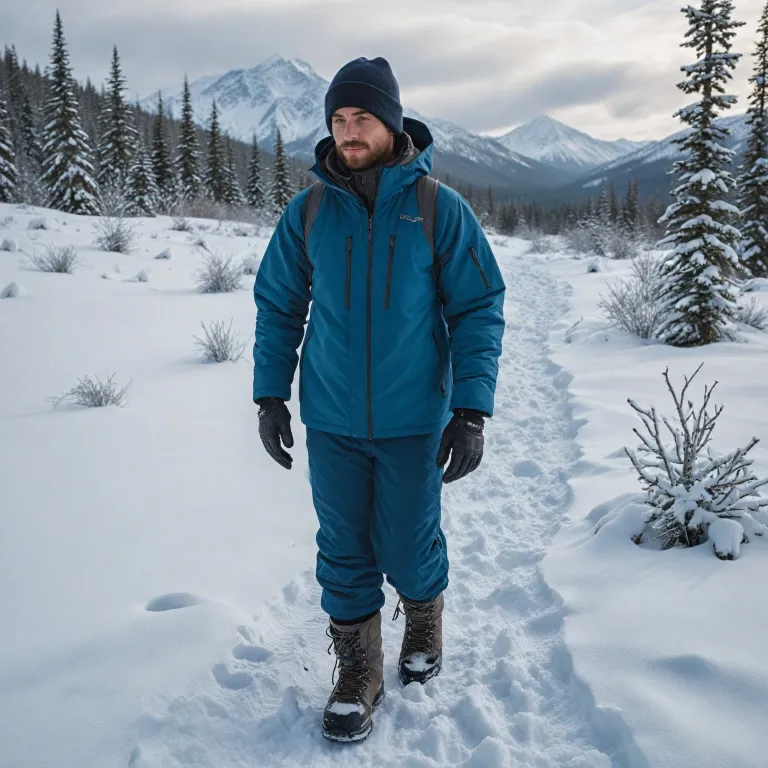
Understanding alaska winter clothing for Arctic and subarctic trips
Planning a trip to Alaska in deep winter demands more than enthusiasm. You need an alaska winter clothing system that respects the region’s harsh air and the way cold weather can change within a single day. In Anchorage and Fairbanks Alaska, temperatures and wind can shift quickly, so what you wear must adapt just as fast.
Experts such as the Alaska.org Editorial Team and Travel Alaska emphasize that “Always dress in layers to adjust to changing temperatures.” That means thinking in terms of base layers, insulating layers, and an outer layer rather than single heavy pieces. This approach lets you stay warm while you move between heated vehicles, open snow fields, and sheltered forests near national parks.
When you pack Alaska for a winter trip, cotton should stay at home. Cotton holds moisture, loses insulating power, and makes it harder to trap heat around your body. Instead, focus on wool, fleece, and wool synthetic blends that remain warm even when damp from sweat or melting snow.
Your alaska winter clothing choices also depend on activities. Standing still on northern lights tours Alaska requires more thermal protection than a brisk snowshoe hike in a national park. Build a flexible packing list that covers both active days and long evenings outside, and remember that socks, boots, and gloves are as important as jackets.
Base layers and thermal foundations for alaska winter clothing
The foundation of effective alaska winter clothing is a high quality base layer next to your skin. Base layers should be made from merino wool or advanced wool synthetic fabrics that offer strong moisture wicking performance. These materials pull sweat away from your skin so the surrounding air can evaporate it instead of letting it freeze against your body.
When you wear Alaska base layers, choose tops and leggings that fit close without restricting movement. A snug layer helps trap heat evenly, while looser garments can create cold pockets during a long day outside. Many travelers pack Alaska with at least two complete sets of base layers so one can dry while the other is in use.
For Arctic shipwreck exploration and other maritime excursions, where wind and spray intensify the cold, a robust thermal system is essential. Reading about historic polar expeditions and shipwreck exploration highlights how inadequate clothing once cost lives. Modern merino wool base layers and insulating layers dramatically reduce that risk by helping you stay warm even when conditions deteriorate.
Remember that base layers are not only for the coldest days in Alaska winter. Even during milder weather in national parks, a thin thermal layer regulates temperature as you move between sunlit snow and shaded valleys. Prioritize long sleeve tops, long underwear, and moisture wicking socks that support the rest of your alaska winter clothing system.
Insulating layers, fleece, and wool for deep cold
Once your base layers are in place, insulating layers provide the bulk of your warmth. In Alaska winter conditions, mid layers made from fleece, wool, or wool synthetic blends create a crucial buffer between your skin and the outer layer. These insulating layers trap heat in tiny air pockets, allowing you to stay warm without excessive bulk.
Choose at least one medium weight fleece and one heavier wool or down piece for your packing list. On a mild day in Fairbanks Alaska, a single fleece over base layers may be enough for a walk around town. During a long night watching northern lights, you might add a thicker wool sweater or insulated jacket to maintain comfort while you stand still on snow.
Insulating layers should be easy to remove when you enter heated lodges or vehicles. If you plan to wear Alaska clothing for both city sightseeing and remote national parks, versatility matters more than fashion. A well designed fleece jacket with a full zip allows quick ventilation, while a pullover wool sweater offers reliable warmth with minimal weight.
For travelers joining cultural experiences in remote lodges, a flexible alaska winter clothing system is essential. Articles on Alaska lodges and locally guided wilderness stays often stress how temperatures can drop sharply after sunset. Pack Alaska with enough insulating layers to handle both relaxed evenings on the deck and brisk walks through fresh snow.
Outer layers, boots, and accessories that trap heat
The outer layer of your alaska winter clothing shields you from wind, snow, and freezing rain. Look for jackets and trousers that are windproof and waterproof, yet breathable enough to let moist air escape from your base layers. A high quality shell helps trap heat generated by your insulating layers without letting snow or icy air penetrate.
Footwear deserves particular attention when you pack Alaska for cold weather. Waterproof boots with insulation rated for at least minus forty degrees Fahrenheit are recommended for extended time on snow and ice. Many travelers choose a size larger than usual to accommodate thick wool socks and to maintain circulation, which helps you stay warm during long days outside.
Accessories complete your alaska winter clothing system and protect vulnerable extremities. Warm hats, thermal gloves or mittens, neck gaiters, and moisture wicking socks all contribute to overall comfort. Using gaiters over your waterproof boots prevents snow from entering during deep snow activities, especially in remote national parks or on northern lights tours Alaska.
When you wear Alaska gear for photography or wildlife watching, consider how easily you can adjust layers. Mittens are generally warmer than gloves because they keep fingers together, sharing warmth more effectively. Combine them with thin liner gloves so you can handle camera controls briefly without exposing bare skin to the cold air.
Packing list strategy for alaska winter and Arctic journeys
Building a thoughtful packing list for Alaska winter travel reduces stress and increases safety. Start with two or three sets of base layers, including merino wool and wool synthetic options for different activity levels. Add several insulating layers such as fleece jackets, wool sweaters, and a lightweight down or synthetic puffy that can be worn under a shell.
Include at least three pairs of moisture wicking socks for each week of your trip. Combine thin liner socks with thicker wool socks to trap heat and reduce friction inside waterproof boots. Remember that a size larger boot often improves comfort when you wear multiple layers on your feet during a long day in Fairbanks Alaska or other northern towns.
Your alaska winter clothing packing list should also cover hands, head, and face. Pack thermal gloves, insulated mittens, and a spare pair in case one gets wet in snow. A warm hat that covers your ears, plus a balaclava or neck gaiter, helps you stay warm in strong wind and protects skin from frostbite during cold weather tours Alaska.
Finally, think about how your clothing will perform across different national parks and activities. A flexible outer layer, reliable insulating layers, and robust base layers allow you to move from city streets to remote trails without changing your entire outfit. This strategic approach to alaska winter clothing ensures you can enjoy every day of your trip with confidence.
Staying warm during northern lights and polar experiences
Watching the northern lights in Alaska can be a highlight of any Arctic or subarctic journey. However, standing still on snow for hours under clear skies exposes you to intense cold air and wind. Your alaska winter clothing must therefore prioritize thermal efficiency and the ability to trap heat even when you are not moving.
For aurora tours Alaska, start with high performance base layers made from merino wool or wool synthetic blends. Add insulating layers such as thick fleece and a long insulated parka as your outer layer. Many travelers also wear insulated winter skirts or extra long jackets to protect the upper legs, which can otherwise lose heat quickly during a long night outside.
Feet and hands often become cold first, so plan extra protection in your packing list. Wear Alaska appropriate waterproof boots with room for two pairs of socks, and consider chemical warmers for extremely low temperatures. Thermal mittens over thin liner gloves help you stay warm while still allowing brief use of cameras or phones to capture the northern lights.
Remember that alaska winter clothing principles also apply to Antarctic voyages and other polar trips. The combination of moisture wicking base layers, insulating layers that trap heat, and a windproof outer layer works across cold regions worldwide. By respecting these layering methods, you can stay warm and safe while enjoying some of the most dramatic winter landscapes on Earth.
Key statistics for alaska winter clothing and cold protection
- Average winter temperature in Anchorage is around minus six degrees Celsius, which demands robust base layers and insulating layers for outdoor activities.
- Recommended boot insulation rating for extended exposure on snow and ice is approximately minus forty degrees Fahrenheit, especially for northern lights tours Alaska and remote national parks.
- Approximately ten percent of body heat may be lost through the head, so a warm hat is an essential part of any alaska winter clothing packing list.
Frequently asked questions about alaska winter clothing
What is the best material for base layers in Alaska’s winter ?
Wool or synthetic materials are recommended for base layers as they wick moisture away from the skin and retain warmth even when damp. Merino wool offers excellent odor resistance for multi day trips, while advanced synthetics dry quickly after intense activity. Both options integrate well into a layered alaska winter clothing system for Arctic and Antarctic style conditions.
Why should cotton be avoided in cold weather clothing ?
Cotton retains moisture and loses its insulating properties when wet, increasing the risk of hypothermia. In Alaska winter conditions, sweat or melting snow can quickly saturate cotton, making it heavy and cold. Choosing wool, fleece, or wool synthetic fabrics instead helps you stay warm and safer during long days outside.
Are mittens or gloves better for keeping hands warm ?
Mittens are generally warmer than gloves because they keep fingers together, sharing warmth more effectively. Many travelers use a combination of thin liner gloves under insulated mittens for flexibility during tours Alaska and northern lights viewing. This approach fits seamlessly into a comprehensive alaska winter clothing strategy focused on protecting extremities.
