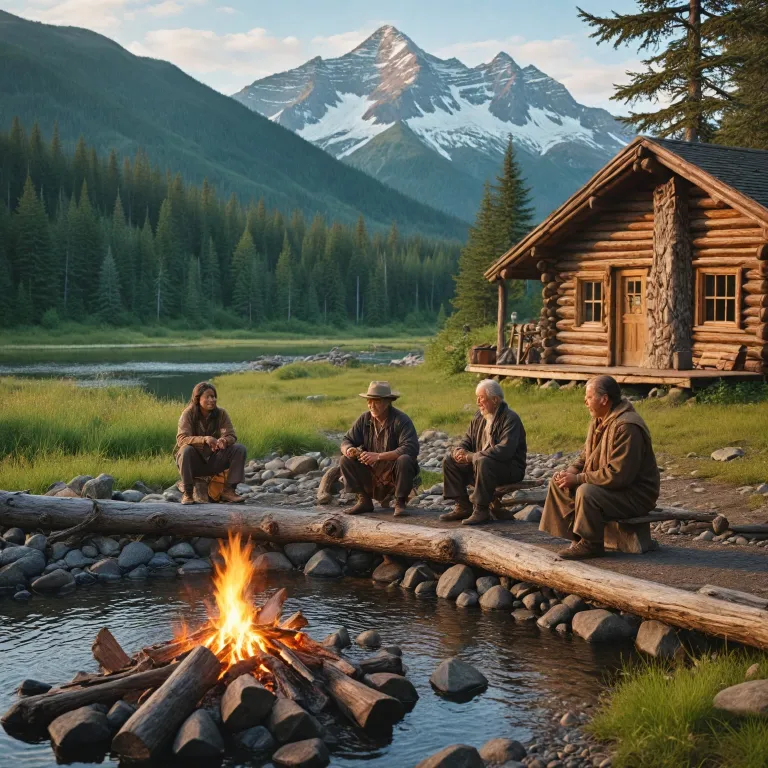
Immersing in Alaska’s wilderness lodges for authentic cultural and historical experiences
Alaska’s wilderness lodges offer more than just a place to rest; they serve as gateways to the region’s vibrant heritage and untamed landscapes. Nestled within national parks and preserves, these lodges provide guests with opportunities to engage in locally guided cultural and historical experiences. Whether you find yourself at a lodge on the edge of Denali National Park or overlooking the serene waters of Kachemak Bay, each property is uniquely positioned to connect visitors with Alaska’s indigenous traditions and natural wonders. The immersive experiences at these wilderness lodges are designed to foster a deeper understanding of Alaska’s history, from the ancient practices of native communities to the stories of early explorers. Guests can expect to participate in guided hikes, storytelling sessions, and hands-on workshops that bring the region’s past to life. The integration of traditional knowledge with modern hospitality ensures that every stay is both educational and enriching.
Many lodges, such as those near Wrangell Elias National Park and Lake Clark, collaborate closely with local indigenous communities. This partnership allows for authentic presentations on cultural heritage, traditional fishing methods, and the significance of the surrounding wilderness. The focus on sustainability and respect for local customs is evident in every aspect of the guest experience. By choosing to stay at a wilderness lodge, travelers support efforts to preserve Alaska’s unique cultural landscape while enjoying unparalleled access to its breathtaking scenery. The result is a journey that goes far beyond sightseeing, offering a true sense of place and connection to the land.
Exploring Alaska’s national parks: day trips and multi-night adventures
Alaska’s national parks are renowned for their vastness and diversity, making them ideal destinations for both day trips and extended adventures. Denali National Park, with its iconic peak and abundant wildlife, draws hundreds of thousands of visitors each year. Many wilderness lodges offer guided day trips into the heart of the park, where guests can witness the dramatic landscapes and learn about the area’s geological and cultural history. These excursions often include visits to remote areas accessible only by the Alaska Railroad or specialized vehicles, providing a sense of adventure and exclusivity.
For those seeking a more immersive experience, multi-night stays at lodges such as Kantishna Roadhouse or properties near Glacier Bay National Park allow for deeper exploration. Activities may include wildlife viewing, fishing in pristine rivers, and kayaking along the fjords. The lodges’ expert guides share insights into the region’s ecology and the traditions of the people who have called Alaska home for generations. “Lodges such as Kantishna Roadhouse, Tordrillo Mountain Lodge, and Evenson Heritage Lodge offer cultural experiences led by local guides.” This commitment to authenticity ensures that every adventure is rooted in respect for the land and its history. For more inspiration on planning your next adventure, explore our comprehensive guide to Alaska’s national parks and wilderness lodges.
Kenai Fjords, Tutka Bay, and Kachemak Bay: coastal lodges and marine adventures
The coastal regions of Alaska, including Kenai Fjords, Tutka Bay, and Kachemak Bay, are home to some of the state’s most spectacular wilderness lodges. These properties offer unparalleled access to marine environments, where glaciers meet the sea and wildlife abounds. Guests can embark on guided tours of Kenai Fjords National Park, exploring dramatic fjords, tidewater glaciers, and thriving ecosystems. Day trips by kayak or boat reveal the intricate interplay between land and water, while expert guides interpret the natural and cultural significance of each location.
At lodges along Tutka Bay and Kachemak Bay, visitors are invited to participate in fishing excursions, culinary workshops featuring local ingredients, and cultural presentations by indigenous hosts. The experience of staying at a bay lodge is enhanced by the opportunity to witness traditional practices, such as salmon smoking and storytelling around the fire. These activities not only enrich the guest experience but also contribute to the preservation of local heritage. For those interested in venturing off the beaten path, the region’s wilderness lodges provide a base for exploring remote coves and hidden inlets. To learn more about unique marine adventures, visit our feature on Alaska’s coastal wilderness lodges.
Denali, Wrangell Elias, and Lake Clark: mountain lodges and highland traditions
Mountain lodges in Alaska offer a distinct perspective on the state’s rugged interior, with properties situated near Denali, Wrangell Elias, and Lake Clark national parks. These lodges provide guests with access to some of the most dramatic landscapes in North America, from towering peaks to expansive glaciers. Guided hikes and nature walks introduce visitors to the flora and fauna of the region, while cultural workshops delve into the traditions of the area’s indigenous peoples. The experience is further enriched by the opportunity to participate in activities such as fishing in alpine lakes, wildlife tracking, and learning about the geological forces that shaped the land.
Staying at a wilderness lodge in these highland regions allows for a slower, more contemplative approach to travel. Guests can enjoy panoramic views of glacier-carved valleys and spend evenings sharing stories with local guides. The integration of cultural and historical experiences is central to the lodge philosophy, ensuring that every activity is meaningful and respectful of the land’s heritage. For travelers seeking a deeper connection to Alaska’s mountains, these lodges offer a blend of adventure, education, and cultural immersion. In the heart of the wilderness, every day brings new opportunities to engage with the landscape and its stories.
Anchorage, Alaska Railroad, and the journey between lodges
Anchorage serves as the primary gateway to Alaska’s wilderness lodges, with the Alaska Railroad providing a scenic and convenient link between the city and remote destinations. The journey itself is an integral part of the experience, offering travelers sweeping views of national parks, glaciers, and untamed wilderness. Many guests choose to combine stays at multiple lodges, creating a customized itinerary that showcases the diversity of Alaska’s landscapes and cultures. The Alaska Railroad connects Anchorage with key locations such as Denali National Park, Kenai Fjords, and beyond, making it easy to access both inland and coastal lodges.
Along the way, travelers are encouraged to participate in locally guided tours that highlight the history and significance of each region. From the bustling markets of Anchorage to the tranquil shores of Glacier Bay, every stop offers a new perspective on Alaska’s rich heritage. The flexibility of the Alaska Railroad allows for day trips and overnight stays, enabling guests to experience the full spectrum of wilderness lodges and cultural activities. Whether you are seeking adventure, relaxation, or a deeper understanding of Alaska’s past, the journey between lodges is as memorable as the destinations themselves.
Planning your Alaska adventure: tips for meaningful and responsible travel
Planning a trip to Alaska’s wilderness lodges requires careful consideration to ensure a meaningful and responsible experience. Booking accommodations and tours in advance is essential, especially during the peak months of June and July when demand is highest. Travelers should prepare for varying weather conditions by packing appropriate clothing and gear, as the climate can change rapidly in both coastal and mountain regions. Respecting local customs and traditions is paramount during cultural and historical experiences, and guests are encouraged to engage with guides and community members in a spirit of curiosity and respect.
Wildlife safety is another important aspect of responsible travel, particularly when participating in outdoor activities such as fishing, hiking, or kayaking. Lodges provide educational materials and guidance to ensure that guests are well-informed and prepared. The growing interest in sustainable and eco-friendly tourism has led to increased collaboration between lodges, local communities, and conservation organizations. By choosing wilderness lodges that prioritize cultural preservation and environmental stewardship, travelers contribute to the long-term well-being of Alaska’s people and landscapes. Every trip is an opportunity to support local economies, foster cultural understanding, and create lasting memories in one of the world’s most extraordinary destinations.
Key statistics on Alaska’s national parks and cultural experiences
- Number of visitors to Denali National Park: 600,000 people annually
- Percentage of Alaska’s population identifying as indigenous: 15%
Frequently asked questions about Alaska lodges and cultural experiences
What are some lodges in Alaska that offer cultural experiences?
Lodges such as Kantishna Roadhouse, Tordrillo Mountain Lodge, and Evenson Heritage Lodge offer cultural experiences led by local guides.
When is the best time to visit Alaska for cultural tours?
The best time is typically during the summer months (May to September) when most lodges and tours are operational.
Are these cultural experiences suitable for families?
Yes, many lodges offer family-friendly activities and accommodations.
