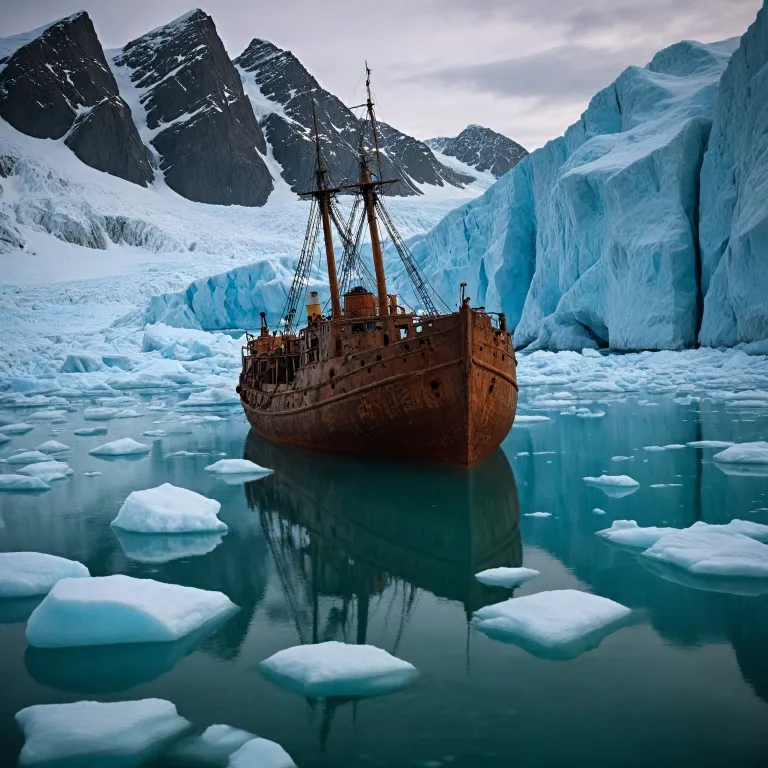
The enduring mystery of arctic shipwreck exploration
Arctic shipwreck exploration captivates those drawn to the intersection of history, adventure, and science. The Canadian Arctic, with its labyrinth of ice and remote islands, has long challenged explorers and their ships. The Franklin expedition, led by Sir John Franklin, remains one of the most poignant tales, as both HMS Erebus and HMS Terror vanished while searching for the Northwest Passage. These ships, along with their crew members, became legends, their fate intertwined with the harsh ice and unforgiving climate of the region. The search for these shipwrecks has spanned generations, with Parks Canada and international partners employing advanced underwater archaeology and technology to locate and study the remains.
Modern arctic expeditions use icebreaker ships, underwater drones, and sonar scanning to navigate the treacherous waters and thick ice. The involvement of Inuit communities and their knowledge of the land and sea has been instrumental in the search for shipwrecks. The discovery of HMS Erebus at a depth of 11 meters near King William Island marked a turning point in arctic shipwreck exploration. This find, along with the subsequent location of HMS Terror, has provided invaluable insights into the lives of the crew and the challenges they faced. The preservation of these shipwrecks and their artifacts is a testament to the resilience of those who ventured into the unknown.
Arctic shipwrecks are not limited to the Franklin expedition. The region is dotted with the remains of whaling ships, research vessels, and other ships lost to the ice. Each shipwreck tells a unique story, contributing to our understanding of arctic history and the evolution of polar exploration. The ongoing search for these lost ships continues to inspire new generations of explorers and researchers, ensuring that the legacy of arctic shipwreck exploration endures.
Technological advancements in arctic and antarctic shipwreck exploration
The evolution of technology has transformed the field of arctic shipwreck exploration. Underwater archaeology now relies heavily on remotely operated vehicles (ROVs) and sonar scanning to locate and document shipwrecks beneath the ice. These tools allow researchers to map the seafloor and identify anomalies that may indicate the presence of a ship. The use of icebreaker ships enables expeditions to reach remote areas of the Canadian Arctic and Antarctic Peninsula, where traditional vessels would be unable to navigate.
Collaboration with Parks Canada and other organizations has led to significant breakthroughs in the search for shipwrecks. The integration of Indigenous knowledge, particularly from Inuit communities, has enhanced the effectiveness of these expeditions. For example, local expertise has guided search teams to promising locations near Beechey Island and King William Island. The combination of advanced technology and traditional knowledge has resulted in the successful identification of several shipwrecks, including HMS Erebus and HMS Terror.
Antarctic shipwrecks, such as those near South Georgia and the Antarctic Peninsula, present their own set of challenges. The southern ocean is notorious for its unpredictable weather and shifting ice, making exploration difficult. Despite these obstacles, expeditions continue to search for lost ships, such as the San Telmo and vessels from the whaling era. The ongoing development of underwater drones and improved diving equipment promises to further enhance the capabilities of future arctic and antarctic shipwreck explorations. For those interested in the latest advancements in polar travel and exploration, this resource on polar expedition technology provides detailed insights.
The human element: crew members and the legacy of polar expeditions
The stories of the crew members who embarked on arctic expeditions are central to the narrative of shipwreck exploration. The Franklin expedition, with its 129 crew members aboard HMS Erebus and HMS Terror, exemplifies the courage and determination required to venture into the unknown. The loss of these ships and their crews has been the subject of extensive research and reflection. The harsh conditions of the Canadian Arctic, including extreme cold, shifting ice, and isolation, tested the limits of human endurance.
Personal artifacts recovered from shipwrecks, such as clothing, tools, and journals, offer a glimpse into the daily lives of the crew. These items provide valuable context for understanding the challenges faced during arctic and antarctic expeditions. The involvement of Parks Canada and other organizations in preserving these artifacts ensures that the legacy of the crew is honored. The stories of Sir John Franklin, his officers, and the sailors who accompanied him continue to resonate with those who study arctic history.
Antarctic expeditions, including those led by Sir Ernest Shackleton, also highlight the resilience of crew members in the face of adversity. The sinking of Shackleton's ship Endurance in the southern ocean and the subsequent survival of the crew is a testament to human ingenuity and perseverance. The search for shipwrecks such as the San Telmo and other vessels lost near the Antarctic Peninsula adds to the rich tapestry of polar exploration. For a comprehensive overview of the human stories behind these expeditions, explore this collection of polar exploration narratives.
Preserving history: the role of parks canada and international collaboration
Parks Canada has played a pivotal role in arctic shipwreck exploration, leading efforts to locate, document, and preserve historic shipwrecks. The agency's collaboration with the Royal Canadian Geographical Society, Inuit communities, and international partners has set a standard for multidisciplinary research. The preservation of shipwrecks such as HMS Erebus and HMS Terror is not only a matter of historical interest but also of cultural heritage.
The process of documenting shipwrecks involves detailed mapping, artifact recovery, and environmental monitoring. Parks Canada's use of advanced technology, including underwater drones and sonar, has enabled researchers to study shipwrecks in situ. This approach minimizes disturbance to the sites while allowing for the collection of valuable data. The involvement of local communities ensures that traditional knowledge is respected and integrated into the research process.
International collaboration extends beyond the Canadian Arctic. Expeditions to the Antarctic Peninsula and South Georgia often involve partnerships with research institutions from around the world. The search for antarctic shipwrecks, such as those lost during whaling operations or early exploration missions, benefits from shared expertise and resources. The preservation of these sites contributes to a broader understanding of polar history and the interconnectedness of arctic and antarctic exploration.
Challenges and best practices in arctic and antarctic shipwreck searches
Conducting shipwreck searches in the arctic and antarctic regions presents unique challenges. The extreme cold, unpredictable weather, and shifting ice require careful planning and specialized equipment. Expeditions must be prepared for sudden changes in conditions, including the rapid formation of sea ice and storms in the southern ocean. The use of icebreaker ships and advanced navigation systems is essential for reaching remote sites safely.
Engaging with local communities is a best practice that enhances the success of shipwreck searches. Indigenous knowledge, particularly from Inuit communities, provides valuable guidance on ice conditions, wildlife, and navigation. Collaboration with Parks Canada and other agencies ensures that all necessary permits and permissions are obtained, and that research is conducted in an ethical and sustainable manner. The preservation of shipwrecks and artifacts is a priority, with strict protocols in place to minimize environmental impact.
The search for shipwrecks is an ongoing process, with new discoveries continuing to shed light on the history of arctic and antarctic exploration. The integration of technology, traditional knowledge, and international collaboration has set a new standard for research in these challenging environments. As interest in polar history grows, the importance of responsible exploration and preservation cannot be overstated.
Shipwrecks beyond the franklin expedition: a broader perspective
While the Franklin expedition and its lost ships, HMS Erebus and HMS Terror, are central to the narrative of arctic shipwreck exploration, the region holds many other stories. The Canadian Arctic is home to the remains of whaling ships, research vessels, and merchant ships that succumbed to the ice. Each shipwreck represents a chapter in the history of polar exploration, reflecting the ambitions and challenges of those who ventured into the unknown.
The search for shipwrecks extends to the antarctic, where vessels such as the San Telmo and ships lost near South Georgia add to the legacy of exploration. The southern ocean, with its treacherous waters and unpredictable weather, has claimed many ships over the centuries. The study of these shipwrecks provides insights into the evolution of navigation, shipbuilding, and survival strategies in extreme environments.
Modern expeditions continue to search for lost ships, using the latest technology and drawing on the expertise of researchers from around the world. The preservation of these sites is a shared responsibility, ensuring that future generations can learn from the successes and failures of past explorers. The ongoing exploration of arctic and antarctic shipwrecks enriches our understanding of human history and the enduring allure of the polar regions.
Key statistics on arctic and antarctic shipwreck exploration
- Number of ships lost during Franklin's 1845 expedition: 2 ships
- Depth at which HMS Erebus was found: 11 meters
- Year HMS Terror was discovered: 2016
Frequently asked questions about arctic shipwreck exploration
What caused the loss of Franklin's ships?
Franklin's ships became trapped in ice during their 1845 expedition to find the Northwest Passage, leading to the crew's demise.
How are modern technologies aiding in shipwreck discoveries?
Advancements like sonar scanning and remotely operated vehicles (ROVs) allow researchers to locate and explore shipwrecks in challenging environments.
Why is the discovery of these shipwrecks significant?
These discoveries provide valuable insights into historical exploration missions and help preserve cultural heritage.
References:
Parks Canada: https://www.pc.gc.ca/en/index
Royal Canadian Geographical Society
Inuit Heritage Trust
