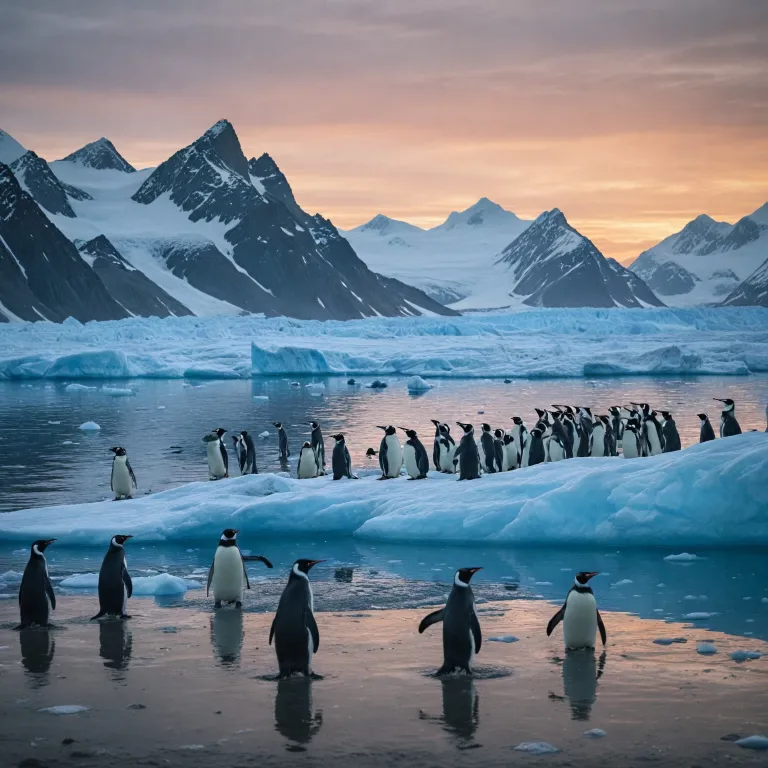
Understanding penguin species and their habitats in Antarctica
Antarctica is a realm where penguins thrive, offering travelers the rare chance to observe these remarkable birds in their natural environment. The continent is home to several penguin species, including emperor penguins, Adélie penguins, gentoo penguins, and chinstrap penguins. Each penguin species has adapted to the harsh Antarctic climate, with emperor penguins standing as the largest and most iconic. The Weddell Sea, Snow Hill Island, and the Antarctic Peninsula are renowned for their vibrant penguin colonies, where thousands of individuals gather during the breeding season. South Georgia Island and the Falkland Islands, though not part of the Antarctic mainland, are also vital habitats, supporting king penguins and other species. The interplay between sea ice, the southern ocean, and the islands creates unique ecosystems that sustain these colonies. Observing penguins in Antarctica is not only a visual delight but also an educational experience, revealing the intricate behaviors and survival strategies of these birds. The best time to witness penguin activity is during the Antarctic summer, when colonies are bustling with life and the landscape is transformed by the presence of chicks and adults alike.
Planning your expedition: choosing the right route and timing
Careful planning is essential for anyone seeking to find penguins in Antarctica. Expedition cruises departing from Ushuaia, Argentina, are the primary gateway to the Antarctic Peninsula and surrounding islands. The optimal period for penguin viewing is from November to March, coinciding with the breeding and chick-rearing cycles. During this time, travelers can observe courtship, egg-laying, hatching, and the fledging of young penguins. Specialized tours, such as those offered by Quark Expeditions and Wild Departures, provide access to remote locations like Snow Hill Island, where emperor penguin colonies can be reached by helicopter. Zodiac boat landings enable close encounters with penguin colonies on the Antarctic Peninsula, South Georgia, and the Falkland Islands. The Weddell Sea and Georgia Island are particularly notable for their dense populations of emperor penguins and other species. When planning your trip, consider the duration, route, and focus of each voyage, as some expeditions emphasize wildlife, while others explore the dramatic landscapes of the southern ocean and sea ice.
Experiencing penguin colonies: from the Antarctic Peninsula to South Georgia
Visiting a penguin colony in Antarctica is a profound experience, immersing travelers in the daily rhythms of these charismatic birds. The Antarctic Peninsula is a hotspot for Adélie, gentoo, and chinstrap penguins, with colonies often numbering in the tens of thousands. South Georgia Island, located in the southern ocean, hosts vast gatherings of king penguins and is a highlight of many expeditions. The Weddell Sea and Snow Hill Island are famed for their emperor penguin colonies, where visitors can witness the unique breeding behaviors of the only penguin species to nest during the Antarctic winter. Zodiac excursions allow for respectful, close-up observation of penguins as they interact, feed, and care for their young. The interplay between the sea, ice, and islands creates ever-changing backdrops for wildlife photography and study. To enhance your understanding of penguin species and their habitats, consider joining a voyage with expert naturalists and guides.
Wildlife beyond penguins: the broader Antarctic ecosystem
While penguins are the stars of Antarctic wildlife, the region supports a diverse array of species that contribute to its ecological richness. Seals, including Weddell and leopard seals, are frequently seen resting on sea ice or hunting in the southern ocean. Whales, such as orcas and humpbacks, patrol the waters around the Antarctic Peninsula and South Georgia, often visible from expedition ships. The islands and sea ice also attract seabirds like skuas and petrels, which play important roles in the food web. The interplay between penguins, seals, whales, and birds highlights the complexity of the Antarctic ecosystem. Responsible travel practices are essential to minimize human impact and preserve these fragile habitats. Many expeditions partner with research organizations and conservation groups to promote sustainable tourism and support ongoing scientific studies. The best time to observe the full spectrum of Antarctic wildlife is during the austral summer, when the sea ice recedes and animals are most active.
Practical advice for your Antarctic penguin voyage
Preparation is key to a successful Antarctic trip, especially when the goal is to see penguins in their natural setting. Travelers should pack thermal clothing layers, waterproof outerwear, sturdy boots, gloves, hats, and high-quality sunglasses to protect against the sun's glare off the ice. The journey often involves crossing the Drake Passage, which can be physically demanding and may cause seasickness. Following all guidelines provided by tour operators is crucial for safety and environmental stewardship. Many expeditions now use ice-strengthened ships, helicopters, and Zodiac boats to access remote penguin colonies, such as those on Snow Hill Island and in the Weddell Sea. Sustainable practices, including the use of eco-friendly fuels, are increasingly prioritized to reduce the environmental footprint of Antarctic travel. Local guides and naturalists share their expertise on penguin behavior, breeding cycles, and the challenges posed by climate change. As one expert notes, "The optimal time is from November to March, coinciding with the Antarctic summer when penguins are most active during their breeding and chick-rearing periods." Specialized tours, such as those offered by Quark Expeditions, provide helicopter access to remote emperor penguin colonies near Snow Hill Island. Essential items include thermal clothing layers, waterproof outerwear, sturdy boots, gloves, hats, and high-quality sunglasses to protect against the sun's glare off the ice.
Conservation, climate change, and the future of penguins in Antarctica
The future of penguins in Antarctica is closely linked to the health of their habitats and the broader impacts of climate change. Emperor penguins, in particular, are vulnerable to shifts in sea ice patterns, which affect their breeding success and long-term survival. Recent studies have documented a 22 percent decline in emperor penguin populations in certain regions, underscoring the urgency of conservation efforts. South Georgia, the Weddell Sea, and the Antarctic Peninsula remain critical strongholds for penguin colonies, but ongoing monitoring and research are essential. Responsible tourism plays a vital role in raising awareness and supporting conservation initiatives, with many expeditions contributing to scientific studies and habitat protection. The best time to witness the resilience and adaptability of penguins is during the breeding season, when colonies are at their most dynamic. By choosing eco-conscious operators and adhering to strict environmental guidelines, travelers can help ensure that future generations will have the opportunity to see penguins in Antarctica. The interplay between wildlife, sea ice, and the southern ocean will continue to shape the destiny of these remarkable birds.
Key statistics on penguins and Antarctic wildlife
- Estimated number of emperor penguins at Snow Hill Island rookery: 8,000 breeding pairs
- Decline in emperor penguin populations in certain regions: 22 percent
- Number of Adélie penguins discovered in the Danger Islands: 1,500,000 individuals
Frequently asked questions about seeing penguins in Antarctica
What is the best time to see penguins in Antarctica?
The optimal time is from November to March, coinciding with the Antarctic summer when penguins are most active during their breeding and chick-rearing periods.
How can I visit emperor penguin colonies in Antarctica?
Specialized tours, such as those offered by Quark Expeditions, provide helicopter access to remote emperor penguin colonies near Snow Hill Island.
What should I pack for an Antarctic penguin viewing tour?
Essential items include thermal clothing layers, waterproof outerwear, sturdy boots, gloves, hats, and high-quality sunglasses to protect against the sun's glare off the ice.
