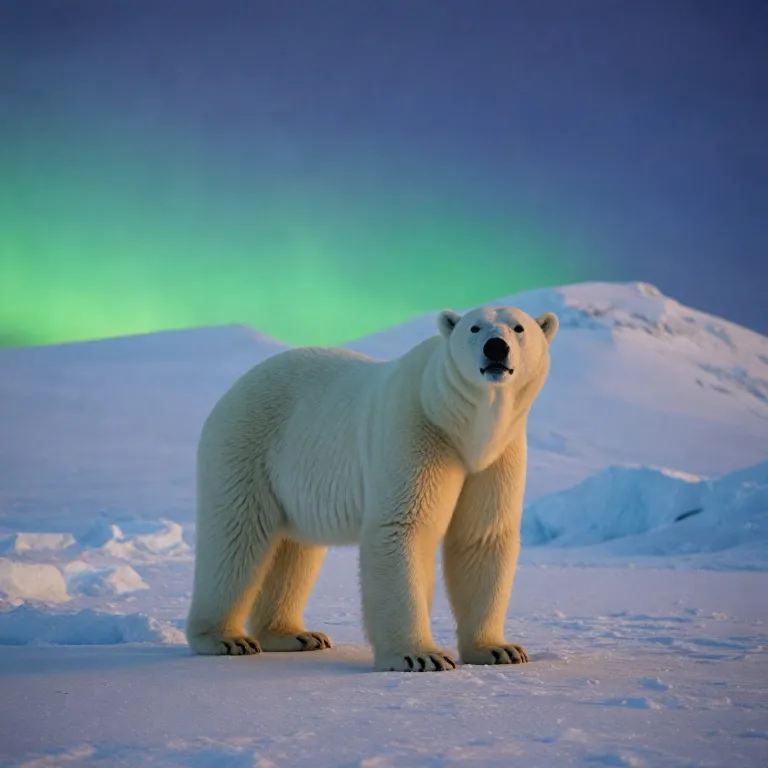
Understanding polar bear tours in the Arctic: what to expect and how to prepare
Polar bear tours in the Arctic offer travelers an unparalleled opportunity to witness polar bears and their remarkable behaviors in their natural habitat. These tours, often centered around destinations such as Churchill, Svalbard, and the Arctic Circle, provide a unique blend of adventure, education, and conservation. When planning your polar bear adventure, it is essential to understand the logistics, timing, and expectations for your trip. Most tours operate between April and September, with the best days for wildlife sightings typically falling in July and August. During this period, the sea ice recedes, and polar bears are often spotted along the tundra and coastal areas.
Travelers embarking on these tours will find a variety of options, from land tours utilizing all-terrain vehicles to boat excursions along the ice edges. The tundra lodge experience in Churchill Manitoba is renowned for its immersive approach, allowing guests to observe polar bears up close while minimizing environmental impact. Small group tours offer a more intimate experience, often led by local indigenous guides who share their deep knowledge of the Arctic ecosystem. Whether you book a private bear tour or join a larger group, every day in the Arctic promises new encounters with polar bears, arctic foxes, and the breathtaking northern lights.
Preparation is key for a successful polar bear tour. Dress in layers to adapt to the ever-changing Arctic temperatures, and bring high-quality binoculars and cameras to capture the best moments. Safety is paramount; always follow the guidelines provided by your tour operator. For those seeking a seamless journey, many tours begin in Winnipeg, with a day in Winnipeg to acclimate before traveling north to Churchill or embarking on an arctic trip to Svalbard. The adventure of observing polar bears in their element is both humbling and exhilarating, making every moment in the Arctic truly unforgettable.
Key destinations for polar bear tours: Churchill, Svalbard, and beyond
Churchill, often referred to as the polar bear capital of the world, is a premier destination for polar bear tours in the Arctic. Located on the western shore of Hudson Bay, Churchill offers exceptional opportunities to observe polar bears as they wait for the sea ice to form. The town is accessible via the Winnipeg Churchill route, making it a convenient starting point for many travelers. October and November are particularly popular months, as polar bears gather along the coast in anticipation of the freeze-up. The tundra lodge and lazy bear tours are among the best ways to experience the region, providing comfortable accommodations and expert guidance throughout your stay.
Svalbard, an archipelago situated well within the Arctic Circle, is another top destination for polar bear tours. Here, travelers can embark on boat-based adventures, navigating the icy fjords and remote islands in search of polar bears and other arctic wildlife. BEAR Expeditions and Akook Arctic Adventures are renowned for their commitment to sustainable tourism and their partnerships with local conservation organizations. These tours often include photography workshops, allowing guests to capture the majesty of polar bears against the dramatic arctic landscape.
Beyond Churchill and Svalbard, the northwest passage and other remote regions offer unique opportunities for polar bear tours. Land tours in these areas often involve extended days of travel across the tundra, with each day bringing new wildlife encounters and breathtaking vistas. For those seeking a truly exclusive experience, private bear tours can be arranged, tailored to your interests and schedule. To ensure your adventure aligns with your values, always request a quote from operators who prioritize eco-friendly practices and community engagement.
Wildlife encounters and the role of conservation in polar bear tours
Polar bear tours in the Arctic are not only about observing these magnificent animals but also about understanding the delicate balance of the arctic ecosystem. Each encounter with polar bears, whether on the sea ice or the tundra, highlights the importance of conservation efforts. Organizations like Polar Bears International play a crucial role in educating travelers and supporting research initiatives that protect polar bears and their habitat. The global polar bear population is estimated at around 20,000 individuals, with adult males averaging 450 kilograms and females 150 kilograms. These statistics underscore the need for responsible tourism and ongoing conservation work.
Tour operators such as Alaska Polar Bear Tours and BEAR Expeditions collaborate closely with conservation groups to ensure that every bear adventure has a positive impact. By choosing tours that support local communities and prioritize sustainable practices, travelers contribute directly to the preservation of the arctic environment. Many tours incorporate educational components, offering insights into polar bear behavior, the effects of climate change, and the challenges facing arctic wildlife.
Photography is a central aspect of many polar bear tours, with guided sessions designed to help guests capture the best images while respecting wildlife boundaries. The presence of polar bears on the land and sea ice is a testament to the resilience of the species, but also a reminder of their vulnerability.
Planning your polar bear adventure: timing, logistics, and booking tips
Timing is critical when planning polar bear tours in the Arctic. The optimal period for sightings is between April and September, with July and August offering the best days for wildlife activity. In Churchill, the peak season extends into October and November, as polar bears gather along Hudson Bay. When booking your trip, consider the type of experience you desire—whether a land tour, boat excursion, or a combination of both. Each option provides unique perspectives on polar bear behavior and the arctic landscape.
Travel logistics often begin with a day in Winnipeg, where travelers can prepare for the journey north. From Winnipeg, flights connect to Churchill or other arctic destinations, with many tours offering seamless transfers and accommodations. Small group tours are ideal for those seeking a personalized experience, while larger groups may benefit from additional amenities and resources. Private bear tours can be arranged for families or photographers seeking exclusive access to prime viewing locations.
When selecting a tour operator, prioritize those with a proven commitment to sustainability and community engagement. Request a quote to compare options and ensure your adventure aligns with your values. Many operators offer flexible booking policies, allowing you to tailor your trip to your schedule and interests.
Experiencing the Arctic: beyond polar bears
While polar bear tours are the highlight of many arctic trips, the region offers a wealth of additional experiences. The northern lights, or aurora borealis, are a spectacular sight often visible during the autumn months in Churchill and Svalbard. Many tours incorporate evening excursions to maximize the chances of witnessing this natural phenomenon. The tundra is home to a diverse array of wildlife, including arctic foxes, caribou, and migratory birds, providing ample opportunities for photography and observation.
Exploring the northwest passage and remote arctic islands reveals the rich cultural heritage of indigenous communities. Local guides share stories and traditions, offering a deeper understanding of life in the Arctic Circle. Day trips from Churchill or Svalbard often include visits to historical sites, research stations, and community centers, enriching the overall travel experience.
For those seeking adventure, activities such as dog sledding, snowshoeing, and ice fishing can be arranged as part of your bear tours. Each day in the Arctic brings new discoveries, from the shifting patterns of sea ice to the vibrant colors of the tundra in bloom. The combination of wildlife, culture, and natural beauty makes every arctic trip a once-in-a-lifetime adventure.
Responsible travel and the future of polar bear tours in the Arctic
As interest in polar bear tours in the Arctic continues to grow, the importance of responsible travel cannot be overstated. Sustainable tourism practices are essential to preserving the delicate balance of the arctic ecosystem and ensuring the long-term survival of polar bears. Tour operators are increasingly adopting eco-friendly technologies, minimizing their environmental footprint while providing exceptional experiences for travelers.
Collaboration between tour companies, conservation organizations, and local communities is at the heart of successful bear tours. By supporting initiatives that protect polar bear habitats and promote education, travelers become active participants in conservation efforts. The economic benefits of tourism also contribute to the well-being of arctic communities, creating opportunities for employment and cultural exchange.
When booking your next bear adventure, look for operators who demonstrate a genuine commitment to sustainability. Ask about their partnerships with conservation groups, their approach to minimizing waste, and their support for local initiatives. As one expert notes, "Choose tour operators that prioritize eco-friendly practices, support conservation efforts, and work closely with local communities." This approach ensures that your journey not only fulfills your travel dreams but also contributes to the preservation of the Arctic for future generations.
Statistics on polar bear tours and arctic wildlife
- Global polar bear population estimate: 20,000 individuals
- Average weight of adult male polar bear: 450 kilograms
- Average weight of adult female polar bear: 150 kilograms
Frequently asked questions about polar bear tours in the Arctic
When is the best time to go on a polar bear tour?
The optimal time for polar bear tours is typically between April and September, with peak wildlife activity occurring from July to August.
Are polar bear tours safe?
Yes, when conducted by experienced and licensed tour operators who follow strict safety protocols, polar bear tours are considered safe.
How can I ensure my polar bear tour is environmentally responsible?
Choose tour operators that prioritize eco-friendly practices, support conservation efforts, and work closely with local communities.
References:
- Polar Bears International: https://polarbearsinternational.org/
- Alaska Polar Bear Tours: https://www.polarbearsalaska.com/
- BEAR Expeditions: https://www.bearexpeditions.org/expeditions/svalbard-norway
