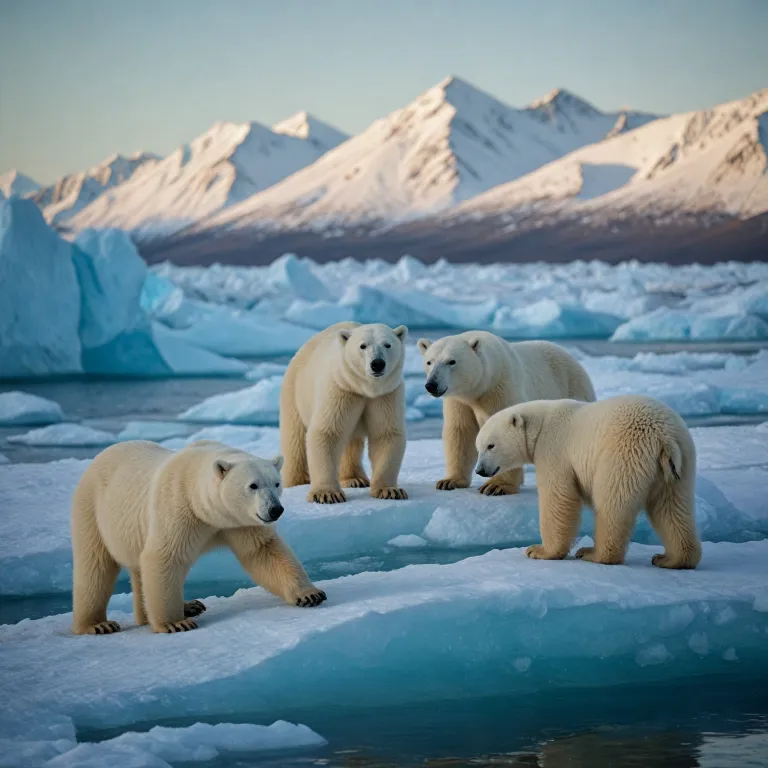
Understanding polar bear tours in Alaska: Wildlife, landscapes, and the Arctic experience
Polar bear tours in Alaska offer a rare opportunity to view these magnificent bears in their natural Arctic habitat. The remote village of Kaktovik, situated on Barter Island along the northern coast, has become a focal point for bear viewing, especially during late summer and early autumn. As the sea ice recedes, polar bears come ashore, making this period ideal for observing their behavior and interactions. The itinerary for most tours includes flights from Fairbanks or Anchorage, followed by a day or several days in the Arctic National Wildlife Refuge region. Visitors will witness the stark beauty of the Brooks Range and the vast expanse of the Arctic Circle, where the landscape is shaped by permafrost, tundra, and the ever-present northern lights.
Bear viewing in Alaska is not just about the thrill of seeing polar bears; it is also an educational experience. Local Inupiat guides and wildlife biologists accompany many tours, sharing insights into polar bear ecology and the challenges these animals face. The tours are designed to minimize environmental impact, often using eco-friendly boats and small aircraft for transportation. Weather permitting, guests may also have the chance to photograph polar bears from safe distances, using binoculars and telephoto lenses. The importance of respecting both the wildlife and the fragile Arctic ecosystem is emphasized throughout the trip, ensuring a responsible and memorable adventure.
Tour dates are typically concentrated between August and October, when up to 50 polar bears may be observed in the Kaktovik area. This seasonal migration is a highlight for wildlife enthusiasts and photographers alike. The Alaska Department of Fish and Game and the U.S. Fish and Wildlife Service provide strict guidelines to ensure the safety of both visitors and bears. "Always maintain a safe distance of at least 300 feet from polar bears, follow the guidance of experienced tour guides, and adhere to all safety protocols to ensure both human and bear safety." This advice is crucial for anyone planning to embark on a polar bear tour in Alaska.
Planning your polar bear viewing itinerary: Key destinations and logistics
When organizing a polar bear tour in Alaska, careful planning is essential due to the region's remoteness and limited infrastructure. Most tours begin in Fairbanks, a gateway city with regular flights to the Arctic coast. From Fairbanks, travelers board small aircraft for the journey north to Kaktovik or Barter Island. The flight will provide breathtaking views of the Brooks Range, Arctic National Wildlife Refuge, and the vast tundra stretching toward the Arctic Ocean. It is important to book tours well in advance, as availability is limited and demand peaks during the prime viewing season.
Tour operators offer a variety of packages, ranging from single day Kaktovik excursions to multi-day itineraries that include additional wildlife viewing opportunities. Some tours combine polar bear viewing with visits to Denali National Park, Lake Clark National Park, or the Inside Passage, allowing guests to experience Alaska's diverse ecosystems. Weather permitting, aerial tours offer a unique perspective on the Arctic landscape and the movements of polar bears along the coastline. Each itinerary is crafted to maximize bear viewing while ensuring guest safety and comfort.
For those interested in learning more about the logistics of Arctic travel, including transportation options and recommended gear, the Alaska travel planning guide provides comprehensive information. Packing appropriately for the Arctic climate is vital; dress in layers, bring waterproof outerwear, and prepare for rapidly changing weather conditions. The experience of viewing polar bears in Alaska is enhanced by thoughtful preparation and a flexible approach to the unpredictable Arctic environment.
Wildlife encounters beyond polar bears: Exploring Alaska’s Arctic biodiversity
While polar bear tours in Alaska are centered around bear viewing, the Arctic region is home to a remarkable array of wildlife. During the trip, visitors may encounter Arctic foxes, caribou, musk oxen, and a variety of migratory birds. The coastal waters near Barter Island and Kaktovik are frequented by seals and, occasionally, whales. These encounters enrich the overall experience, offering a deeper understanding of the interconnectedness of Arctic ecosystems.
National parks such as Arctic National Wildlife Refuge and Lake Clark National Park are renowned for their pristine landscapes and abundant wildlife. Guided tours often include educational sessions led by wildlife biologists, who explain the significance of each species within the Arctic food web. The opportunity to photograph polar bears and other animals in their natural habitats is a highlight for many guests. The region’s unique light, especially during the northern lights season, adds a magical quality to wildlife photography.
For those seeking additional inspiration for their Arctic adventure, the Alaska wildlife viewing guide offers insights into the best locations and times for observing different species. The diversity of Alaska’s Arctic wildlife is a testament to the resilience of these animals in a challenging environment. Each encounter, whether with a solitary polar bear or a herd of caribou, underscores the importance of conservation and responsible tourism practices.
Conservation, climate change, and the future of polar bear tours in Alaska
Polar bear tours in Alaska are closely linked to broader conservation efforts and the impacts of climate change on Arctic habitats. The reduction of sea ice due to warming temperatures has altered the behavior and distribution of polar bears, making certain areas more accessible for viewing but also increasing the vulnerability of the species. Tour operators, regulatory authorities, and local communities work together to ensure that tourism supports conservation rather than exacerbates environmental pressures.
The Alaska Department of Fish and Game and the U.S. Fish and Wildlife Service oversee polar bear populations and issue permits for viewing activities. Their guidelines are designed to protect both the bears and the people who come to see them. The use of eco-friendly boats and strict adherence to safety protocols reflect a commitment to minimizing human impact on sensitive Arctic ecosystems. Local Inupiat guides play a crucial role in educating visitors about traditional knowledge and the importance of respecting wildlife.
Climate change remains a significant concern for the future of polar bear tours in Alaska. As sea ice continues to decline, the timing and location of bear viewing opportunities may shift. Tour dates and itineraries are adjusted each year to reflect changing conditions, and guests are encouraged to remain flexible. The ongoing collaboration between scientists, local communities, and tour operators is essential for sustaining both the bears and the tourism that supports Arctic economies.
Practical tips for a successful polar bear viewing trip
Preparation is key to making the most of polar bear tours in Alaska. Dress in layers to accommodate variable Arctic weather, and bring high-quality binoculars or a telephoto lens for safe bear viewing. It is advisable to book tours well in advance due to limited availability, especially during peak season in Kaktovik. Follow all safety guidelines provided by tour operators, including maintaining a safe distance from polar bears and adhering to group instructions at all times.
Weather in the Arctic can change rapidly, affecting both flight schedules and bear viewing conditions. Flexibility is essential, as some activities may be rescheduled or adjusted based on weather permitting. Tour operators provide detailed itineraries and updates, ensuring that guests are informed and prepared for each day’s activities. The experience of viewing polar bears in Alaska is enhanced by patience and a willingness to adapt to the unique challenges of Arctic travel.
Photography enthusiasts will find ample opportunities to capture stunning images of polar bears, Arctic landscapes, and the northern lights. The best results are achieved with proper equipment and an understanding of the region’s lighting conditions. Respect for wildlife and the environment is paramount; avoid disturbing bears or other animals, and leave no trace of your visit. These practices ensure that future generations will also have the chance to experience the wonders of Alaska’s Arctic.
Seasonal highlights: When and where to see polar bears in Alaska
The timing of polar bear tours in Alaska is critical for maximizing bear viewing opportunities. The optimal period is from late August to early October, when polar bears come ashore in search of food as the sea ice retreats. Kaktovik, located on Barter Island, is the premier destination for observing large numbers of polar bears during this season. The average number of polar bears observed during peak season in Kaktovik is approximately 50 bears, making it one of the best locations in the world for bear viewing.
Tour dates are carefully scheduled to coincide with the arrival of polar bears onshore. Itineraries often include multiple days in the region to increase the likelihood of sightings. Weather permitting, guests may also witness the spectacular northern lights, adding another dimension to the Arctic experience. The combination of wildlife, dramatic landscapes, and cultural encounters with local Inupiat communities creates a truly unforgettable trip.
Other notable destinations for polar bear tours in Alaska include the Arctic National Wildlife Refuge, Lake Clark National Park, and the Inside Passage. Each location offers unique opportunities for wildlife viewing and photography. The diversity of Alaska’s Arctic regions ensures that every trip is distinct, shaped by the rhythms of nature and the expertise of local guides. For those seeking an immersive Arctic adventure, polar bear tours in Alaska provide an unparalleled window into the world of the polar bear.
Responsible tourism and supporting local communities in the Arctic
Responsible tourism is at the heart of polar bear tours in Alaska. By choosing eco-friendly tour operators and adhering to best practices, visitors contribute to the conservation of polar bear habitats and the well-being of local communities. The economic benefits of wildlife tourism support infrastructure, education, and cultural preservation in remote Arctic villages such as Kaktovik. Local Inupiat guides share their knowledge and traditions, enriching the experience for guests and fostering mutual respect.
Tour operators collaborate with regulatory authorities and conservation organizations to ensure that bear viewing activities are sustainable and ethical. The use of eco-friendly boats, strict safety protocols, and educational programs reflects a commitment to minimizing environmental impact. Guests are encouraged to learn about the challenges facing polar bears and to support conservation initiatives through responsible travel choices.
As interest in polar bear tours in Alaska continues to grow, it is essential to balance tourism with the needs of wildlife and local communities. Ongoing dialogue between stakeholders ensures that the benefits of tourism are shared equitably and that the Arctic remains a place of wonder for future generations. By participating in responsible bear viewing tours, travelers become advocates for the protection of Alaska’s unique Arctic heritage.
Key statistics on polar bear tours in Alaska
- Estimated Southern Beaufort Sea polar bear population: 900 bears
- Average number of polar bears observed during peak season in Kaktovik: 50 bears
Frequently asked questions about polar bear tours in Alaska
When is the best time to see polar bears in Alaska?
The optimal time for polar bear viewing in Alaska is from late August to early October, when bears come ashore during the ice-free period.
Are polar bear tours currently available in Alaska?
As of January 2026, many polar bear tours in Alaska are on hold due to regulatory and environmental considerations. It's advisable to check with local tour operators for the most current information.
What safety precautions should be taken during polar bear tours?
Always maintain a safe distance of at least 300 feet from polar bears, follow the guidance of experienced tour guides, and adhere to all safety protocols to ensure both human and bear safety.
Trusted sources: Alaska Department of Fish and Game, U.S. Fish and Wildlife Service, Local Tour Operators
