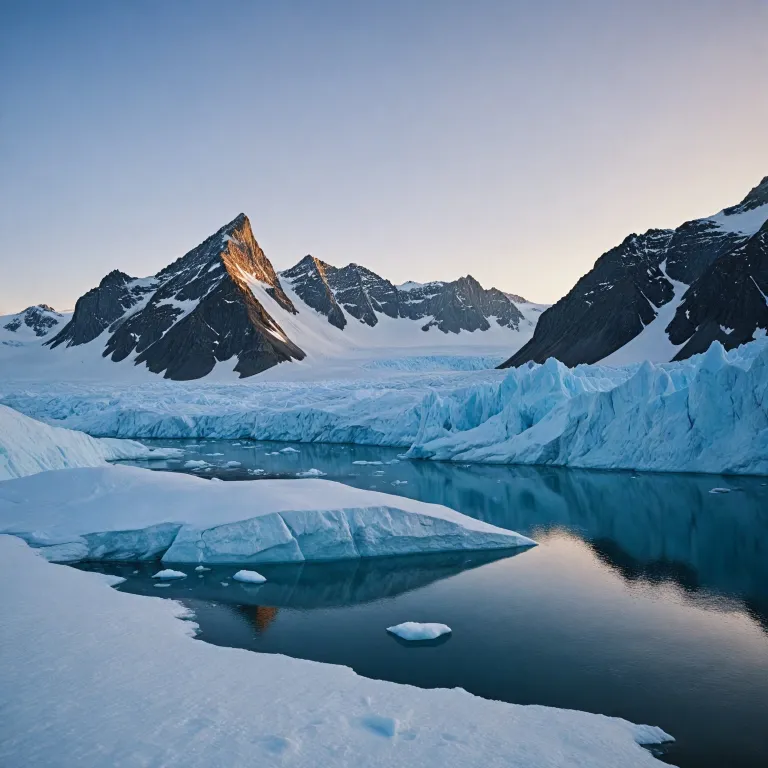
The unique geography of the Antarctic Peninsula: gateway to the southern continent
The Antarctic Peninsula, the northernmost part of mainland Antarctica, stretches over 1,300 kilometres toward South America. This peninsula forms a dramatic spine of mountains, with peaks like Mount Jackson rising to 3,184 metres, and is surrounded by vast ice shelves and the frigid waters of the southern ocean. Its proximity to South America makes it the most accessible region of Antarctica, attracting travellers eager to witness the continent’s raw beauty and dynamic climate.
The peninsula’s coastline is indented with bays, such as Hope Bay, and bordered by the Weddell Sea to the east and the Drake Passage to the north. The region is dotted with islands, including the South Shetland Islands and smaller outcrops, each shaped by the relentless forces of wind, sea, and shifting ice. The interplay between the land, sea, and ice shelf creates a constantly evolving landscape, where glaciers calve into the ocean and icebergs drift along the coast.
Travellers to the Antarctic Peninsula experience a land where the ice sheet dominates, but where pockets of exposed rock and mosses reveal the resilience of life. The peninsula’s unique position and geography make it a focal point for scientific research, with organizations like the British Antarctic Survey and the United States Antarctic Program operating year-round. The region’s significance is further underscored by overlapping claims of sovereignty from the United Kingdom, Chile, and Argentina, reflecting its strategic and environmental importance.
Climate and environmental changes shaping the Antarctic Peninsula
The climate of the Antarctic Peninsula is among the most rapidly changing on Earth. Over the past decades, the region has experienced an average temperature increase of 2.5°C, leading to significant transformations in its ice shelves and ecosystems. The peninsula’s climate is characterized by cold, windy conditions, with temperatures often fluctuating dramatically within a single day or even hour.
Climate change has accelerated the disintegration of major ice shelves, such as the Larsen C Ice Shelf, which lost 5,000 square kilometres due to iceberg calving. This process contributes to the overall reduction of the Antarctic ice sheet and has implications for global sea levels. The peninsula’s ice shelves act as barriers, slowing the flow of glaciers into the sea; their loss increases the rate of ice mass loss, which was measured at 60 billion tons annually in recent years.
These environmental changes have also affected the region’s wildlife and vegetation. Milder conditions have enabled mosses and lichens to colonize new areas, while shifts in penguin populations reflect the changing availability of sea ice and food sources. For those planning trips to the Antarctic Peninsula, understanding the region’s evolving climate is essential for both safety and appreciation of its fragile beauty. For more insights on responsible travel and environmental stewardship, visit our Antarctic travel guidelines.
Wildlife encounters: penguins, seals, and the vibrant life of the peninsula
The Antarctic Peninsula is renowned for its remarkable wildlife, offering visitors the chance to observe species uniquely adapted to the harsh polar environment. Penguins are the peninsula’s most iconic inhabitants, with colonies of gentoo, chinstrap, and Adélie penguins thriving along the coast and on nearby islands. The presence of penguins, both singular and in large groups, is a highlight of any expedition to this part of Antarctica.
Seals, including Weddell, leopard, and crabeater species, haul out on the ice and swim in the cold waters of the southern ocean. The peninsula’s bays and ice shelves provide crucial breeding and resting grounds for these marine mammals. The region’s rich sea life also attracts a variety of seabirds, such as skuas and petrels, which nest on rocky outcrops and islands.
Wildlife viewing is best during the austral summer, the optimal time of year for trips to the Antarctic Peninsula. The interplay between the ice, land, and sea creates a dynamic ecosystem where each species plays a vital role. For those interested in learning more about the peninsula’s biodiversity and conservation efforts, explore our dedicated page on Antarctic wildlife experiences.
Exploring the peninsula: routes, highlights, and unforgettable experiences
Travel to the Antarctic Peninsula typically begins in South America, with expeditions departing from ports such as Ushuaia. The journey across the Drake Passage is a rite of passage for many, offering the first glimpse of the southern ocean and the icy coast of west Antarctica. Upon arrival, visitors are greeted by dramatic vistas of glaciers, icebergs, and the rugged coastline of the peninsula Antarctic region.
Popular routes include navigating the Lemaire Channel, a narrow passage flanked by towering cliffs and drifting ice. Landings on islands such as the South Shetland Islands and excursions to Graham Land provide opportunities to set foot on the continent and explore its unique landscapes. Each day brings new adventures, from zodiac cruises among icebergs to guided hikes on the ice sheet.
Strict environmental guidelines ensure that every visit Antarctic experience minimizes impact on the fragile ecosystem. Travellers are encouraged to respect wildlife, avoid disturbing penguin colonies, and adhere to protocols established by international research organizations.
Scientific research and international collaboration on the Antarctic Peninsula
The Antarctic Peninsula is a hub for scientific research, with numerous stations operated by international partners. The British Antarctic Survey and the United States Antarctic Program are at the forefront of studies on climate, ice shelf dynamics, and wildlife adaptation. Advanced satellite technology, such as the Envisat satellite, enables researchers to monitor changes in the ice shelf and ice sheet in real time.
Research on the peninsula focuses on understanding the effects of climate change, monitoring the stability of ice shelves, and studying the adaptations of flora and fauna. The region’s rapid warming and ecological shifts provide critical insights into global environmental trends. As one expert notes, "The region has experienced significant warming, leading to ice shelf disintegration and ecological changes."
International collaboration is essential for addressing the challenges facing the Antarctic Peninsula. The overlapping claims of sovereignty by the United Kingdom, Chile, and Argentina highlight the need for cooperative governance and conservation. Scientific findings from this region inform global policy and contribute to efforts to mitigate climate change and protect polar environments.
Planning your Antarctic Peninsula adventure: practical tips and best times to visit
Preparation is key for a safe and rewarding journey to the Antarctic Peninsula, the northernmost part of mainland Antarctica. The best time to visit Antarctic regions is during the austral summer, from November to March, when temperatures are milder and wildlife is most active. Travellers should pack for extreme cold, unpredictable weather, and the possibility of rapid changes in conditions.
Organized trips to the peninsula Antarctic region are conducted under strict environmental guidelines to preserve the pristine landscape. Visitors must follow protocols to avoid introducing non-native species and to minimize disturbance to wildlife and the ice shelf. The experience of standing on the ice sheet, surrounded by penguins and the vast southern ocean, is both humbling and unforgettable.
For those considering a journey to this remarkable part Antarctic region, it is essential to stay informed about the latest travel advisories and research updates. The Antarctic Peninsula offers a unique blend of adventure, natural beauty, and scientific discovery, making it a destination unlike any other on Earth.
Key statistics: environmental change and geography of the Antarctic Peninsula
- Average temperature increase over the past 60 years: 2.5°C
- Annual ice mass loss: 60 billion tons
- Area of Larsen C Ice Shelf lost due to iceberg calving: 5,000 km²
Frequently asked questions about the Antarctic Peninsula
What is the highest point on the Antarctic Peninsula?
Mount Jackson, at 3,184 meters (10,446 feet).
Which countries claim sovereignty over the Antarctic Peninsula?
The United Kingdom, Chile, and Argentina.
How has climate change affected the Antarctic Peninsula?
The region has experienced significant warming, leading to ice shelf disintegration and ecological changes.
