Understanding the Arctic Circle: geography, climate, and unique phenomena
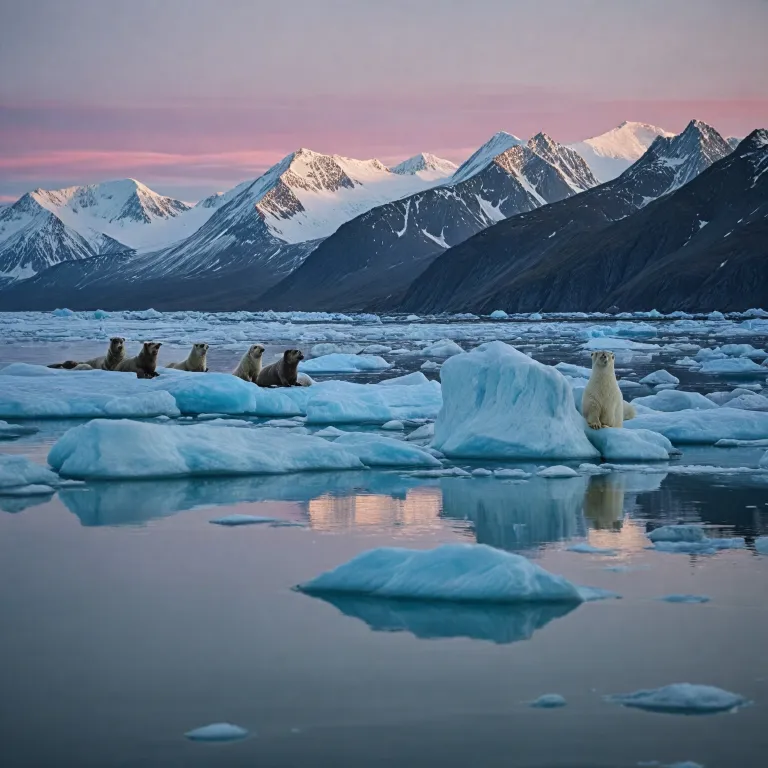
The Arctic Circle is a region defined by its latitude, encompassing the northernmost parts of the globe above 66°33′ north. It is renowned for its dramatic landscapes, including vast tundra, icy fjords, and towering glaciers. The Arctic Circle experiences extreme variations in daylight, with the midnight sun in summer and polar night in winter. These phenomena shape both the environment and the travel experience, offering visitors a chance to witness nature’s most striking contrasts. Temperatures can plummet well below freezing, and weather conditions shift rapidly, requiring travelers to be well-prepared for sudden changes. The Arctic Circle is also home to a diverse range of wildlife, from polar bears and Arctic foxes to migratory birds and marine mammals. Understanding the geography and climate is essential for anyone planning Arctic Circle travel, as it directly influences accessibility, safety, and the types of activities available. The interplay of ice, ocean, and sky creates a landscape that is both challenging and breathtaking, making every journey into the Arctic Circle a unique adventure.
Planning your Arctic Circle adventure: timing, routes, and essential preparations
Careful planning is crucial for Arctic Circle travel, as the region’s remoteness and harsh conditions demand thorough preparation. The best time to visit depends on the experience you seek; summer offers milder temperatures and the spectacle of the midnight sun, while winter brings opportunities for aurora borealis viewing and snow-based activities. Popular routes include voyages along the Norwegian coast, expeditions to Svalbard, and overland journeys in northern Finland and Sweden. Each destination within the Arctic Circle presents distinct challenges and rewards, from icebreaker cruises to dog sledding expeditions. Packing the right gear is vital, including thermal layers, waterproof clothing, and specialized equipment for photography or wildlife observation. Travelers should also consider the logistics of transportation, as many areas are accessible only by charter flights or ice-strengthened vessels. For those interested in experiencing endless daylight, the article on Arctic midnight sun travel provides valuable insights. Advance planning ensures a safer, more enjoyable journey, allowing you to fully immerse yourself in the wonders of the Arctic Circle.
Wildlife encounters in the Arctic Circle: observing nature’s resilience
The Arctic Circle is a sanctuary for some of the world’s most iconic and resilient wildlife species. Polar bears roam the sea ice in search of seals, while walruses gather on rocky shores and narwhals glide beneath the frozen surface. Birdlife flourishes during the brief Arctic summer, with millions of migratory birds nesting on cliffs and tundra. Responsible wildlife observation is a cornerstone of Arctic Circle travel, emphasizing minimal disturbance and respect for natural habitats. Guided tours led by experienced naturalists enhance the experience, offering insights into animal behavior and the delicate balance of Arctic ecosystems. The presence of apex predators like the polar bear underscores the need for caution and expertise when exploring remote areas. Travelers are encouraged to use binoculars and telephoto lenses to observe animals from a safe distance, ensuring both personal safety and the well-being of wildlife. The Arctic Circle’s biodiversity is a testament to nature’s adaptability, and each encounter offers a profound connection to the region’s untamed beauty.
Cultural heritage and indigenous communities of the Arctic Circle
Beyond its natural wonders, the Arctic Circle is home to vibrant indigenous cultures with deep-rooted traditions. The Sámi people, whose ancestral lands span northern Norway, Sweden, Finland, and Russia, have thrived in the Arctic environment for centuries. Their livelihoods are closely tied to reindeer herding, fishing, and traditional crafts, reflecting a profound respect for the land and its resources. Visitors to the Arctic Circle can engage with local communities through cultural tours, storytelling sessions, and participation in seasonal festivals. These experiences provide invaluable insights into the challenges and triumphs of life in the far north. The preservation of indigenous languages, art, and customs is a vital aspect of Arctic Circle travel, fostering mutual understanding and respect. Travelers are encouraged to support community-led initiatives and learn about the region’s complex history, which includes both resilience and adaptation in the face of environmental change. Cultural immersion enriches the Arctic journey, offering perspectives that extend beyond the landscape itself.
Responsible travel and environmental stewardship in the Arctic Circle
Traveling in the Arctic Circle carries a responsibility to protect one of the planet’s most fragile environments. The impacts of climate change are acutely felt here, with melting sea ice, shifting wildlife patterns, and changing weather conditions. Sustainable travel practices are essential, from minimizing waste and reducing carbon footprints to supporting conservation efforts and local economies. Many operators adhere to strict environmental guidelines, ensuring that tourism benefits both nature and communities. Travelers can contribute by choosing eco-certified expeditions, respecting wildlife, and participating in citizen science projects. The importance of leaving no trace cannot be overstated, as even small actions can have lasting effects in such a pristine setting. For those seeking guidance on solo exploration, the article on Antarctica for solo travelers offers expert advice applicable to Arctic journeys as well. Responsible travel ensures that the Arctic Circle remains a place of wonder for generations to come.
Adventure activities and unforgettable experiences in the Arctic Circle
The Arctic Circle offers a wealth of adventure activities for intrepid travelers. Dog sledding across snowy expanses, snowmobiling through silent forests, and ice fishing on frozen lakes are just a few of the exhilarating options. Sea kayaking among icebergs and hiking under the midnight sun provide immersive ways to experience the landscape’s raw beauty. Photographers are drawn to the ethereal light and dramatic vistas, capturing moments that define the Arctic experience. Guided expeditions ensure safety and access to remote areas, while small group tours foster camaraderie and shared discovery. The thrill of witnessing the aurora borealis or encountering a polar bear in its natural habitat creates memories that last a lifetime. Each adventure is shaped by the Arctic Circle’s unique conditions, demanding both preparation and adaptability. Whether seeking solitude or shared exploration, travelers find that the Arctic Circle delivers transformative experiences that linger long after the journey ends.
Key statistics about Arctic Circle travel
- Over 4 million people live within the Arctic Circle, representing diverse cultures and communities.
- The Arctic Circle spans approximately 16,000 km of latitude, encompassing parts of eight countries.
- Temperatures in the Arctic Circle can range from -40°C in winter to 10°C in summer.
- Wildlife populations fluctuate seasonally, with millions of migratory birds arriving during the summer months.
Frequently asked questions about Arctic Circle travel
What is the best time of year to visit the Arctic Circle?
The ideal time depends on your interests. Summer offers milder weather and the midnight sun, while winter provides opportunities for aurora borealis viewing and snow-based activities. Each season presents unique experiences and challenges.
How can travelers minimize their environmental impact in the Arctic Circle?
Travelers should choose eco-certified operators, minimize waste, respect wildlife, and support local conservation efforts. Practicing responsible travel ensures the preservation of the Arctic’s fragile ecosystems for future generations.
What types of adventure activities are available in the Arctic Circle?
Popular activities include dog sledding, snowmobiling, ice fishing, sea kayaking, hiking, and wildlife observation. Guided tours enhance safety and provide access to remote areas, allowing travelers to fully experience the Arctic’s unique environment.
