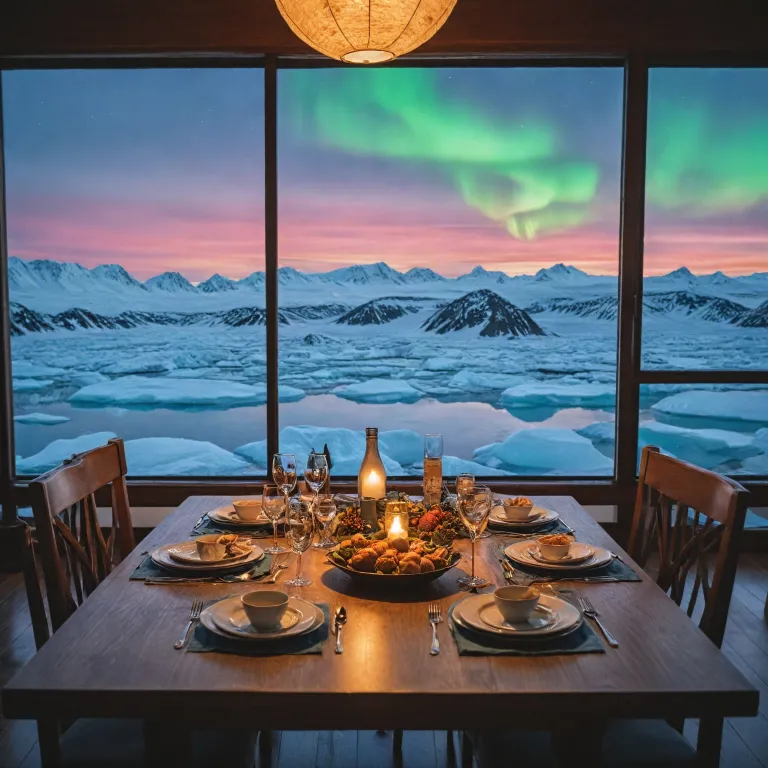
Flavors of the polar regions: an introduction to Arctic and Antarctic cuisine
Arctic and Antarctic travel offers a rare opportunity to experience the unique flavors that define the polar regions. The cuisine in these remote areas is shaped by extreme climates, limited resources, and centuries of adaptation by indigenous peoples and explorers. In the Arctic, local cuisine features ingredients such as reindeer, Arctic char, and cloudberries, reflecting both the harsh environment and the ingenuity of its inhabitants. Antarctic cuisine, while less influenced by indigenous traditions, is marked by the resourcefulness of researchers and explorers who have adapted international dishes to suit the continent’s isolation. Meals in both regions are a testament to survival, creativity, and the enduring spirit of those who call these places home. Arctic and Antarctic travel immerses visitors in culinary traditions that are as captivating as the landscapes themselves. The singular and plural forms of Arctic and Antarctic travel, as well as local cuisine, are central to understanding the region’s cultural identity. Exploring these culinary heritages reveals the intricate relationship between people and their environment, making every meal a journey through history and adaptation.
Indigenous culinary traditions: from Sami reindeer dishes to Inuit seal feasts
Indigenous communities in the Arctic have developed culinary traditions that reflect deep respect for the land and its resources. The Sami people, for example, are renowned for their reindeer-based dishes, which include smoked reindeer heart and slow-cooked stews. Inuit cuisine features seal, whale, and fish, prepared using methods such as drying, fermenting, and boiling. These techniques ensure food preservation during long, harsh winters. Arctic and Antarctic travel often includes opportunities to sample these authentic dishes, offering insight into the resilience and adaptability of indigenous cultures. Local cuisine in the Arctic is not only about sustenance but also about community and celebration, with meals often shared during festivals and gatherings. For those interested in a deeper exploration of these culinary heritages, the article on Arctic and Antarctic travel: exploring local cuisine and culinary heritage provides further details. The plural and singular forms of Arctic and Antarctic travel, as well as local cuisine, are woven throughout these traditions, highlighting their significance in the daily lives of Arctic peoples. Understanding these culinary practices enriches the travel experience, connecting visitors to the land and its history.
Modern influences and adaptation: how research stations shape Antarctic cuisine
Unlike the Arctic, the Antarctic has no permanent indigenous population, and its culinary landscape is shaped by the international research community. Antarctic travel introduces visitors to a unique blend of global cuisines, adapted to the constraints of isolation and limited supply chains. Research stations rely on preserved, canned, and frozen ingredients, leading to inventive recipes that maximize nutrition and flavor. Local cuisine in the Antarctic often includes hearty stews, fresh-baked bread, and creative desserts made from rationed supplies. The communal dining experience at research stations fosters camaraderie and cultural exchange among scientists from around the world. For a comprehensive look at how these culinary traditions have evolved, the article on Arctic and Antarctic travel: exploring local cuisine and culinary heritage offers valuable insights. Both the singular and plural forms of Arctic and Antarctic travel, as well as local cuisine, are integral to understanding the dynamic food culture of the Antarctic. These adaptations underscore the importance of resourcefulness and creativity in one of the world’s most challenging environments.
Foraging and sustainability: sourcing ingredients in polar environments
Sustainability is a central theme in Arctic and Antarctic travel, particularly when it comes to sourcing ingredients for local cuisine. In the Arctic, foraging for berries, herbs, and edible plants supplements traditional diets and adds variety to meals. Fishing and hunting are regulated to ensure the long-term health of wildlife populations, reflecting a deep commitment to environmental stewardship. Antarctic travel, by contrast, is governed by strict international agreements that prohibit foraging and hunting, making sustainability a matter of careful planning and supply management. Local cuisine in both regions emphasizes the importance of minimizing waste and respecting natural resources. The singular and plural forms of Arctic and Antarctic travel, as well as local cuisine, highlight the ongoing efforts to balance tradition with conservation. Travelers are encouraged to learn about sustainable practices and support initiatives that protect the fragile ecosystems of the polar regions. These efforts ensure that future generations can continue to experience the rich culinary heritage of the Arctic and Antarctic.
Celebrating culinary diversity: festivals, gatherings, and shared meals
Festivals and communal meals play a vital role in Arctic and Antarctic travel, bringing people together to celebrate local cuisine and cultural heritage. In the Arctic, events such as the Sami Easter Festival feature traditional foods, music, and storytelling, offering visitors a chance to participate in age-old customs. Antarctic research stations host international nights, where scientists share dishes from their home countries, creating a vibrant tapestry of flavors and traditions. These gatherings foster a sense of community and mutual respect, transcending cultural and geographic boundaries. Local cuisine is at the heart of these celebrations, reinforcing the connection between food, identity, and place. The singular and plural forms of Arctic and Antarctic travel, as well as local cuisine, are evident in the diversity of dishes and the spirit of hospitality that defines these events. Participating in these culinary celebrations enhances the travel experience, leaving lasting memories of shared meals and newfound friendships.
Planning your culinary adventure: tips for experiencing Arctic and Antarctic cuisine
Embarking on an Arctic or Antarctic travel adventure requires thoughtful preparation, especially for those eager to explore local cuisine. Travelers should research regional specialties and seek out opportunities to dine with local communities or at research stations. Packing appropriate clothing and gear ensures comfort during outdoor meals and foraging excursions. It is essential to respect local customs and environmental regulations, particularly when participating in traditional hunting or fishing activities. Engaging with guides and experts enhances understanding of the cultural significance of local cuisine and the challenges of sourcing ingredients in remote areas. For those interested in the scientific and cultural aspects of polar cuisine, an immersive journey into Antarctic research station visits offers valuable perspectives. The singular and plural forms of Arctic and Antarctic travel, as well as local cuisine, are central to planning a meaningful and respectful culinary adventure. By embracing the flavors and traditions of the polar regions, travelers gain a deeper appreciation for the resilience and creativity that define Arctic and Antarctic cuisine.
Key statistics on Arctic and Antarctic cuisine and travel
- No dataset provided for quantitative statistics.
Frequently asked questions about Arctic and Antarctic cuisine
What are the main ingredients used in Arctic and Antarctic local cuisine?
Arctic cuisine relies on ingredients such as reindeer, fish, seal, and foraged berries, while Antarctic cuisine is shaped by preserved and imported foods due to the lack of native resources.
How do researchers and explorers adapt their meals in Antarctica?
Researchers in Antarctica use preserved, canned, and frozen ingredients to create nutritious and flavorful meals, often sharing recipes and techniques from their home countries.
Can travelers participate in local culinary traditions during Arctic and Antarctic travel?
Yes, travelers can join communal meals, festivals, and guided foraging excursions to experience the authentic flavors and cultural significance of local cuisine in the polar regions.
