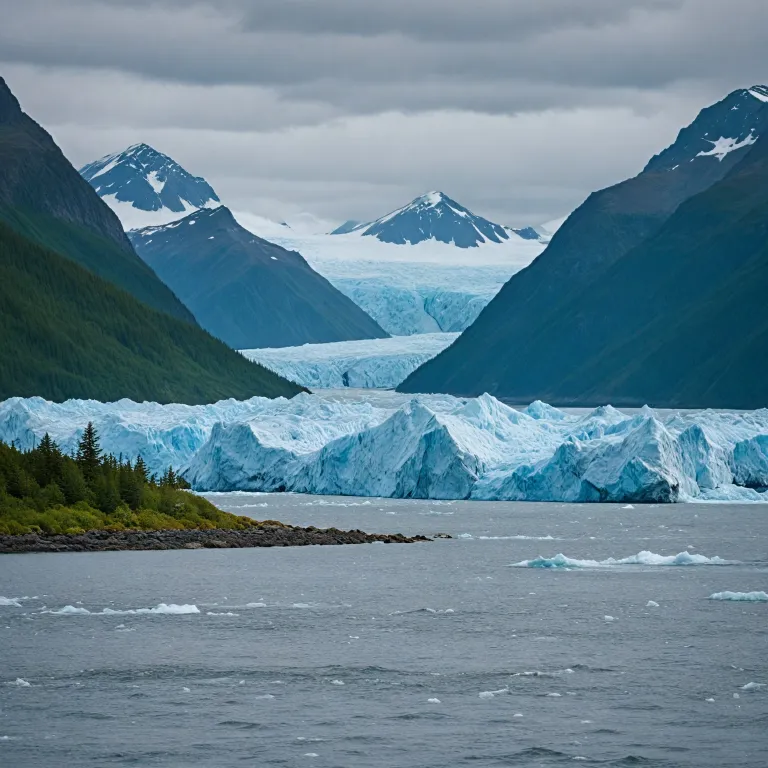
Understanding the Alaska cruise season: when to embark for the best experience
The Alaska cruise season stretches from late April to early October, offering a spectrum of experiences shaped by changing weather, wildlife activity, and daylight hours. For many, the question of the "alaska cruise best time to go" is central to planning an unforgettable journey. Early in the cruise season, from late April to May, travelers encounter cooler temperatures and fewer crowds, making it an appealing time for those seeking tranquility. As the season progresses, June, July, and August bring warmer weather, extended daylight, and vibrant wildlife activity, especially in national parks and along the Inside Passage. This period is often considered the best time for Alaska cruises, as it aligns with the peak of Alaska summer and the height of salmon runs, drawing both wildlife and visitors. September marks the shoulder season, with cooler air, changing foliage, and the possibility of glimpsing the northern lights. Each month within the Alaska cruise season presents unique opportunities, from glacier viewing to salmon fishing, ensuring that every traveler finds their ideal time to visit Alaska.
Wildlife encounters and natural wonders: maximizing your Alaska cruise
Wildlife is a highlight of any Alaska cruise, with each season offering distinct viewing opportunities. June and July are renowned for abundant sightings of whales, bears, and eagles, particularly near Denali National Park and in the national forests bordering the Inside Passage. Salmon runs peak during these months, attracting predators and providing spectacular displays for cruise passengers. August and September, while slightly cooler, remain excellent for wildlife, with the added bonus of fewer crowds and vibrant autumn colors. Shore excursions into national parks and along glacier-fed rivers offer chances to witness Alaska’s iconic species in their natural habitats. For those interested in Alaska fishing, the summer months provide prime conditions, with both guided and independent options available. The best time for wildlife viewing often coincides with the Alaska cruise peak season, but shoulder season cruises can yield quieter, more intimate experiences. For more details on planning your wildlife-focused journey, explore our guide to Alaska's national parks and wildlife cruises.
Daylight hours, weather, and the allure of the midnight sun
One of Alaska’s most remarkable features is its dramatic variation in daylight hours throughout the cruise season. From mid-June to mid-July, travelers enjoy up to 18 hours of daylight, maximizing time for shore excursions and exploration. This period is widely regarded as the best time to cruise Alaska for those who wish to experience the midnight sun and extended outdoor activities. The weather during Alaska summer is generally mild, with average daytime temperatures in July reaching 15°C, though rain is common, especially in August and September. Packing layered clothing is essential, as conditions can shift rapidly between ports and national parks. The shoulder season, particularly late September, brings shorter days but offers the rare chance to witness the northern lights from the deck of your cruise ship. For those seeking both adventure and comfort, the interplay of daylight, weather, and natural phenomena defines the Alaska cruise experience. For a deeper dive into optimizing your trip, see our article on planning for Alaska's changing daylight and weather.
Planning shore excursions: exploring Alaska’s national parks and glaciers
Shore excursions are a cornerstone of any Alaska cruise, providing access to the state’s renowned national parks, glaciers, and cultural sites. Denali National Park, Glacier Bay, and the Tongass National Forest are among the most popular destinations, each offering unique landscapes and wildlife encounters. The best time to book shore excursions is well in advance, especially during the peak cruise season of June, July, and August, when demand is highest. Activities range from guided hikes and wildlife tours to glacier trekking and salmon fishing expeditions. The Inside Passage, with its sheltered waters and scenic vistas, is a favorite route for cruises Alaska, allowing passengers to witness calving glaciers and spot marine mammals. For those interested in Alaska fishing, the summer months provide abundant opportunities, while September’s cooler weather brings quieter trails and the possibility of fall foliage. To secure the best experiences, travelers should consult cruise deals early and consider the timing of their Alaska cruise in relation to their preferred activities.
Cost, crowds, and cruise deals: navigating the Alaska cruise market
The Alaska cruise market is dynamic, with prices and availability fluctuating throughout the season. The best time to secure cruise deals is often during the shoulder season—late April to early May and September—when demand is lower and crowds are thinner. Peak season, spanning June to August, commands higher prices but offers the most favorable weather, extended daylight, and vibrant wildlife activity. Travelers seeking value should consider booking Alaska cruises well in advance, as popular itineraries and shore excursions fill quickly. The cruise season also sees innovations in onboard amenities and sustainable practices, enhancing the overall experience. For those prioritizing fishing, wildlife, or national park exploration, aligning your cruise Alaska with the optimal time visit is essential. The interplay of cost, crowds, and available activities shapes the Alaska cruise experience, making careful planning crucial for a rewarding journey. Remember, "The best month depends on personal preferences. Mid-June to mid-July offers the warmest weather and longest days, while May and September provide lower prices and fewer crowds."
Insider tips for an unforgettable Alaska cruise adventure
Preparation is key to making the most of your Alaska cruise, regardless of the season. Pack layered clothing to accommodate varying temperatures, and be ready for rain, especially in August and September. Booking shore excursions and Alaska fishing trips in advance ensures access to the most sought-after experiences, particularly during the busy summer months. Consider the unique advantages of each time cruise, from the extended daylight of July to the tranquil beauty of September’s shoulder season. For those hoping to see the northern lights, late September cruises offer a chance, though sightings are not guaranteed: "While the Northern Lights are more common in winter, late September cruises may offer a chance to see them, though sightings are not guaranteed." Mosquitoes are most prevalent in June and July, so those sensitive to insects may prefer to visit Alaska in May or September: "Mosquitoes are more prevalent during the warmer months of June and July. Traveling in May or September can help avoid them." Whether your focus is on wildlife, glaciers, or national park exploration, the Alaska cruise best time to go is ultimately shaped by your interests and priorities. With thoughtful planning and an understanding of the cruise season’s nuances, your journey through Alaska’s natural wonders will be truly memorable.
Key statistics for Alaska cruise planning
- Average daytime temperatures in July: 15°C
- Cruise passenger arrivals: 1,600,000 passengers
Frequently asked questions about Alaska cruises
What is the best month to cruise to Alaska?
The best month depends on personal preferences. Mid-June to mid-July offers the warmest weather and longest days, while May and September provide lower prices and fewer crowds.
Is it possible to see the Northern Lights during an Alaska cruise?
While the Northern Lights are more common in winter, late September cruises may offer a chance to see them, though sightings are not guaranteed.
Are there mosquitoes during Alaska cruises?
Mosquitoes are more prevalent during the warmer months of June and July. Traveling in May or September can help avoid them.
Trusted sources: Cruise Lines International Association (CLIA), Travel Alaska, Alaska.org
