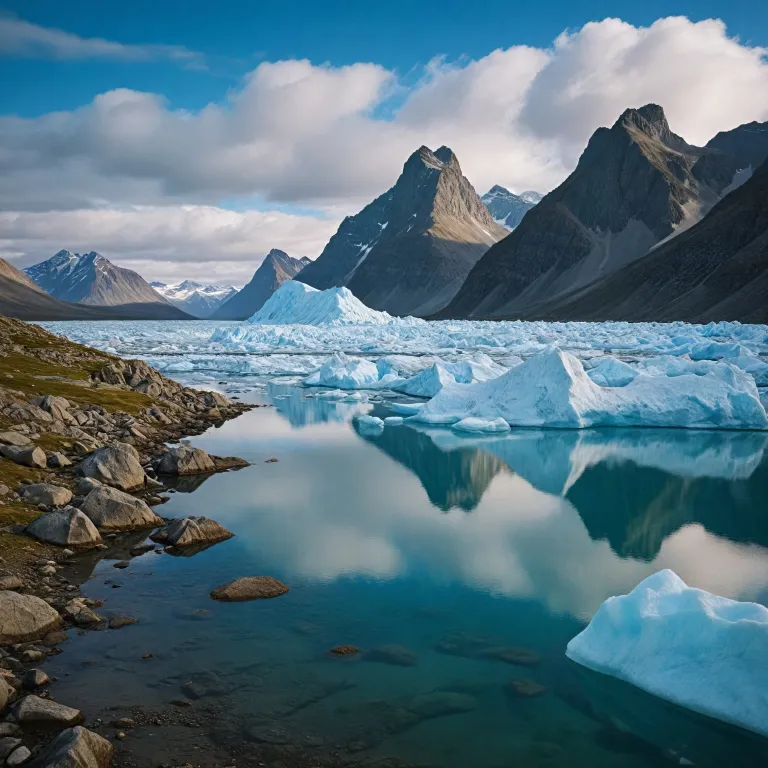
Understanding the allure of Baffin Island guided expeditions
Baffin Island guided expeditions offer a rare opportunity to experience the Arctic’s raw beauty and cultural richness. The island, located in Nunavut, Canada, spans over 507,451 km² and is renowned for its dramatic landscapes, including the towering peaks of Auyuittuq National Park and the icy expanse of Baffin Bay. Each day on a Baffin Island guided expedition reveals new facets of the Arctic, from the shifting light over the Davis Strait to the haunting silence of the high Arctic tundra. The region’s wildlife, including polar bears, bowhead whales, and a variety of seabirds, draws wildlife enthusiasts and photographers alike. Expeditions are designed to maximize encounters with island wildlife while ensuring safety and environmental stewardship. The presence of Inuit communities adds a vital cultural dimension, allowing visitors to engage with local traditions and learn about life in the Canadian Arctic. Whether you are embarking on a day trip or a multi-day expedition cruise, the immersive nature of these journeys ensures a profound connection to the Arctic environment.
Guided expeditions are typically offered in small groups, enhancing both safety and the quality of the experience. Operators such as Arctic Kingdom and Lindblad Expeditions-National Geographic prioritize eco-friendly practices, working closely with Inuit communities and national park authorities. The use of specialized Arctic gear and Zodiac boats enables access to remote areas, such as the Akshayuk Pass and the Ilulissat Icefjord. Each expedition is tailored to the season, with spring trips focusing on ice and polar bear viewing, while summer expeditions highlight the vibrant island wildlife and the midnight sun. The goal is to foster appreciation for the Arctic’s fragile ecosystems and support conservation efforts through responsible tourism.
Wildlife encounters: observing polar bears, bowhead whales, and more
The Arctic is synonymous with extraordinary wildlife, and Baffin Island guided expeditions are crafted to maximize these encounters. Polar bears are among the most sought-after species, often observed along the ice edges of Baffin Bay and the Davis Strait. The chance to see a polar bear in its natural habitat is a highlight for many, and guides ensure that all wildlife viewing is conducted at a respectful distance to minimize disturbance. Bowhead whales, with their massive size and graceful movements, are frequently spotted during expedition cruises, particularly in the waters near Disko Bay and the Ilulissat Icefjord. The presence of these majestic creatures underscores the importance of preserving the Arctic’s marine environments.
Island wildlife extends beyond the iconic polar bear and bowhead whale. Walruses, caribou, and a variety of seabirds contribute to the region’s biodiversity. Each day brings new opportunities to observe these animals, whether from aboard a Zodiac cruise or during a guided hike through Auyuittuq National Park. The expertise of local guides is invaluable, as they interpret animal behavior and share insights into the interconnectedness of Arctic ecosystems. As one expert notes, “Depending on the season, participants may observe polar bears, walruses, bowhead whales, caribou, and various seabirds.” This diversity of wildlife is a testament to the health of the island’s ecosystems and the effectiveness of conservation efforts supported by guided expeditions. For those seeking a deeper understanding of Arctic wildlife, resources such as Arctic wildlife observation tips provide valuable guidance.
Cultural immersion: engaging with Inuit communities and traditions
Baffin Island guided expeditions are distinguished by their emphasis on cultural exchange and learning. The island is home to vibrant Inuit communities, whose traditions and knowledge are integral to the Arctic experience. Visitors are welcomed into settlements such as Iqaluit, where they can participate in cultural activities, sample traditional foods, and learn about the history of the region. These interactions foster mutual respect and understanding, enriching the overall journey. The Inuit have thrived in the high Arctic for generations, developing unique skills and perspectives that are shared with expedition participants.
Guides facilitate respectful engagement with local customs, ensuring that visitors are aware of appropriate behavior and etiquette. As highlighted in the dataset, “Respect local customs and traditions when interacting with Inuit communities.” This principle is central to the ethos of Baffin Island guided expeditions, which aim to support local economies and promote sustainable tourism. Cultural immersion is further enhanced by visits to sites of historical and spiritual significance, such as the Akshayuk Pass and the heart of the Arctic. These experiences provide context for the challenges and triumphs of life in the Canadian Arctic, deepening participants’ appreciation for the region. For more on cultural experiences in the Arctic, explore our guide to Inuit cultural journeys.
Adventure and exploration: trekking, cruising, and navigating the Arctic
The spirit of adventure is at the core of every Baffin Island guided expedition. Participants can choose from a range of activities, including trekking through Auyuittuq National Park, Zodiac cruises along the coast, and canoeing on pristine Arctic rivers. Each expedition is carefully planned to balance excitement with safety, utilizing specialized equipment and the expertise of seasoned guides. The Akshayuk Pass, a legendary route through the national park, offers challenging hikes amid breathtaking scenery. Expedition cruises navigate the intricate waterways of Baffin Bay and the Davis Strait, providing access to remote fjords and ice-choked channels.
Innovation in eco-friendly practices is a hallmark of modern expeditions. Operators employ inflatable canoes, low-impact camping gear, and sustainable travel protocols to minimize their environmental footprint. The integration of local knowledge, particularly from Inuit guides, enhances the authenticity and safety of each trip. As one safety guideline states, “Be aware of potential wildlife encounters; follow guide instructions.” This commitment to safety and sustainability ensures that each day of the expedition is both exhilarating and responsible.
Seasonal highlights: when to visit and what to expect
The timing of your Baffin Island guided expedition significantly influences the experiences available. Spring expeditions, typically from March to April, focus on ice-related activities such as polar bear tracking and iceberg exploration. The landscape is transformed by the interplay of light and ice, creating a surreal environment that is both challenging and rewarding. Summer, from June to August, brings milder temperatures—averaging around 5°C—and extended daylight hours, ideal for wildlife viewing and outdoor activities. Each season offers distinct opportunities to explore the island, from the frozen expanse of the high Arctic to the lush valleys of the national park.
Expedition operators tailor their offerings to the seasonal conditions, ensuring that participants can safely and comfortably experience the best of the Arctic. As noted in the dataset, “The optimal time for expeditions is during the spring (March-April) for ice-related activities and summer (June-August) for milder weather and wildlife viewing.” This flexibility allows travelers to select the expedition that best aligns with their interests and physical abilities. Whether you are drawn to the spectacle of polar bears on the ice or the vibrant life of the island in summer, Baffin Island guided expeditions provide an unparalleled window into the Arctic world.
Practical considerations: preparation, safety, and sustainability
Preparation is essential for a successful Baffin Island guided expedition. The Arctic environment demands respect, and travelers must be equipped with appropriate clothing and gear to withstand extreme weather conditions. Physical fitness is important, particularly for activities such as hiking, canoeing, and trekking through the national park. Safety is a top priority for expedition operators, who implement comprehensive protocols including emergency communication devices and adherence to local regulations. As emphasized in the dataset, “Operators implement comprehensive safety protocols, including experienced guides, emergency communication devices, and adherence to local regulations.”
Sustainability is at the forefront of Arctic travel, with operators adopting eco-friendly practices to minimize their impact on the fragile environment. Collaboration with Inuit communities and conservation organizations ensures that tourism supports local economies and promotes environmental stewardship. Travelers are encouraged to respect wildlife, follow guide instructions, and engage thoughtfully with local cultures. By choosing a guided expedition, participants contribute to the preservation of the Arctic’s unique landscapes and the well-being of its inhabitants. The enduring appeal of Baffin Island guided expeditions lies in their ability to combine adventure, education, and conservation in one extraordinary journey.
Key statistics about Baffin Island guided expeditions
- Area of Baffin Island: 507,451 km²
- Population of Baffin Island: 11,000 people
- Average summer temperature: 5°C
Frequently asked questions about Baffin Island guided expeditions
What is the best time to visit Baffin Island for expeditions?
The optimal time for expeditions is during the spring (March-April) for ice-related activities and summer (June-August) for milder weather and wildlife viewing.
Are there any age restrictions for participating in these expeditions?
Age restrictions vary by operator and expedition type; it's best to consult with the specific tour provider for details.
What wildlife can be observed during these expeditions?
Depending on the season, participants may observe polar bears, walruses, bowhead whales, caribou, and various seabirds.
