Understanding whale migration and the best time for whale watching in Alaska
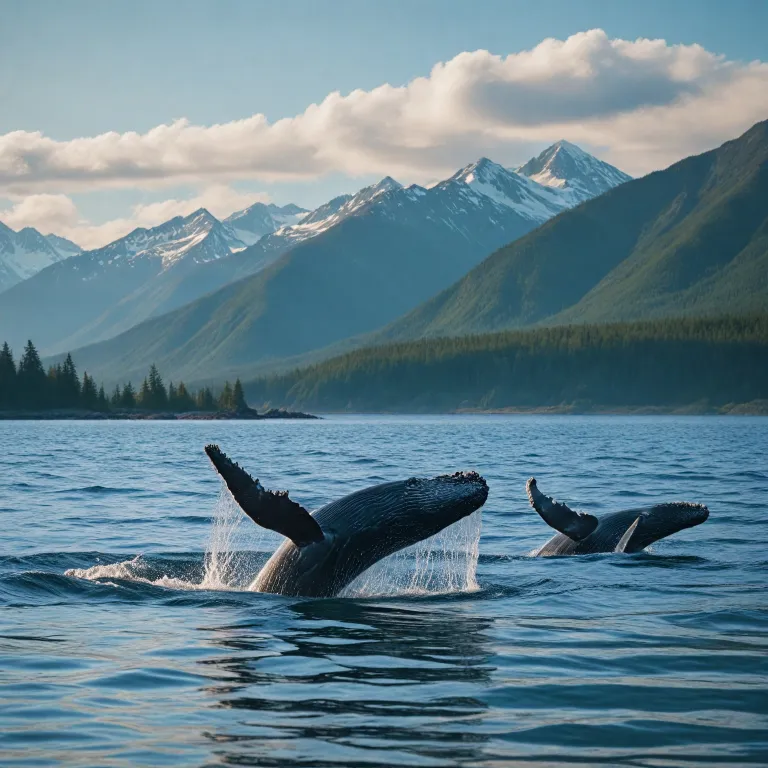
Alaska’s pristine waters are a haven for whales, drawing travelers from around the globe eager to witness these majestic marine mammals in their natural habitat. The best time for whale watching in Alaska aligns with the annual migration patterns of various species, offering unparalleled opportunities to observe whales in action. Humpback whales, the primary species observed, are most prolific in June and July, when the nutrient-rich waters of southeast Alaska teem with life. During this period, visitors can expect to see whales breach, tail slap, and feed in the open sea, creating unforgettable moments for all ages.
Gray whales migrate through Alaskan waters between late April and late May, making this window ideal for those hoping to spot these unique animals. Killer whales, also known as orcas, can be seen throughout the summer months, especially in areas like Resurrection Bay and the Inside Passage. Beluga whales, a resident species, inhabit waters between Katmai National Park and Kodiak Island and can be observed year-round. The convergence of these species during the summer months makes Alaska a premier destination for whale watching, with the best time for whale watching in Alaska spanning from May to September.
Travelers seeking the best whale watching experiences should consider the timing of their visit carefully. "Humpback whales are most commonly seen in June and July." This period offers the highest probability of encountering multiple species, including humpback whales, gray whales, killer whales, and even the elusive blue whales. The migration of whales Alaska is a spectacle that draws nature enthusiasts and photographers alike, eager to capture the beauty of these marine mammals against the backdrop of Alaska’s dramatic landscapes.
Planning your Alaska cruise for optimal whale watching
Embarking on an Alaska cruise is one of the most popular ways to experience whale watching, with many itineraries designed to maximize sightings. The best time for whale watching in Alaska coincides with the peak cruise season, from May to September, when the waters are alive with marine activity. Cruise ships navigate the Inside Passage and Kenai Fjords, offering guests panoramic views of whales, glaciers, and rugged coastlines. The duration of a typical small ship cruise is around eight days, providing ample opportunities to observe whales Alaska in their natural environment.
Guided boat tours and shore-based observation points also offer excellent vantage points for whale watching. Juneau, located in southeast Alaska, is renowned as one of the best places for whale watching in Alaska, with numerous tours departing daily during the summer. Booking tours in advance is recommended, especially during the peak months of June and July, when demand is highest. For those interested in marine mammals beyond whales, Alaska’s waters are home to seals, sea lions, and porpoises, enriching the overall wildlife experience.
To enhance your whale watching adventure, consider integrating a visit to Kenai Fjords National Park, a hotspot for marine biodiversity. The park’s nutrient-rich waters attract a variety of whale species, including humpback whales, gray whales, and fin whales. Whether you choose a cruise ship or a guided tour, the best whale watching experiences are those that prioritize sustainability and respect for marine life, ensuring that future generations can continue to enjoy these remarkable animals.
Key whale species and their seasonal patterns in Alaska
Understanding the seasonal patterns of different whale species is essential for planning the best time for whale watching in Alaska. Humpback whales, numbering around 600 in southeast Alaska, are the most frequently observed species during the summer months. Their acrobatic displays and haunting songs make them a highlight for visitors. Gray whales, known for their long migrations, pass through Alaskan waters in late April and May, offering a brief but spectacular viewing window.
Killer whales, or orcas, are both resident and transient in Alaska’s waters, with sightings common throughout the summer. These intelligent predators are often seen hunting in pods, providing a thrilling spectacle for observers. Beluga whales, with their distinctive white coloration, can be seen year-round in areas like Turnagain Arm and the waters near Katmai National Park. Blue whales and fin whales, though less common, occasionally grace Alaska’s waters, adding to the diversity of marine mammals that can be encountered.
For those seeking a comprehensive whale watching experience, guided tours often employ hydrophones to listen to whale communications, offering a unique auditory dimension to the adventure. The use of technology, such as drones, has also enhanced non-intrusive observation, allowing guests to view whales from new perspectives. To learn more about sustainable whale watching practices, visit this resource on eco-friendly tours for in-depth information.
Essential tips for maximizing your whale watching experience
Preparation is key to making the most of your whale watching adventure in Alaska. Dress in layers to accommodate the region’s variable weather, as conditions can change rapidly on the water. Bringing binoculars and cameras with telephoto lenses will help you capture distant whales and marine mammals in stunning detail. Motion sickness remedies are advisable for those prone to seasickness, especially on smaller vessels.
Booking tours in advance is crucial during the best time for whale watching in Alaska, as demand peaks in June and July. Opt for operators that prioritize eco-friendly and sustainable practices, contributing to the conservation of marine ecosystems. Many tours partner with wildlife conservation organizations, providing educational insights into whale behavior and the importance of protecting these animals.
Shore-based observation points, such as those in national parks and along the coast, offer alternative ways to view whales Alaska without boarding a vessel. The Kenai Fjords and Turnagain Arm are particularly renowned for their accessibility and frequent sightings. For a deeper understanding of Alaska’s marine life, consider combining whale watching with visits to local museums and interpretive centers, where experts share knowledge about the region’s unique biodiversity.
Exploring Alaska’s national parks and prime whale watching locations
Alaska’s national parks are integral to the whale watching experience, providing protected habitats for a diverse array of marine mammals. Kenai Fjords National Park is a standout destination, with its dramatic fjords and abundant wildlife drawing visitors year after year. The park’s waters are frequented by humpback whales, gray whales, killer whales, and even the occasional blue whale, making it one of the best places for whale watching in Alaska.
Juneau, the capital of Alaska, is another premier location for whale watching tours. Its proximity to nutrient-rich waters ensures regular sightings of multiple whale species, including humpback whales and orcas. Guided tours departing from Juneau often include expert naturalists who provide insights into whale behavior and the ecological significance of the region. The Inside Passage, with its sheltered waterways and breathtaking scenery, is also a top choice for those seeking the best whale watching experiences.
Turnagain Arm, located near Anchorage, is renowned for its beluga whale population, offering year-round viewing opportunities. The combination of accessible observation points and diverse marine life makes Alaska’s national parks and coastal regions ideal for both first-time visitors and seasoned wildlife enthusiasts. The best time for whale watching in Alaska is enhanced by the state’s commitment to conservation and sustainable tourism, ensuring that these remarkable animals continue to thrive.
Beyond whales: marine mammals, northern lights, and the full Alaskan experience
While whales are the main attraction, Alaska’s waters are home to a variety of other marine mammals, including seals, sea lions, and porpoises. Observing these animals alongside whales Alaska enriches the overall wildlife experience, offering a comprehensive view of the region’s marine biodiversity. The interplay between different species, such as killer whales hunting in pods or humpback whales feeding alongside sea lions, provides fascinating insights into the dynamics of the marine ecosystem.
For those visiting during the shoulder months, the chance to witness the northern lights adds another layer of magic to the Alaskan adventure. The aurora borealis, visible in the clear night skies, creates a stunning backdrop for evening whale watching excursions. Combining whale watching with other activities, such as glacier tours, hiking, and cultural experiences, allows travelers to fully immerse themselves in Alaska’s natural wonders.
Eco-tourism and wildlife education are central to the Alaskan travel experience, with many operators offering programs that highlight the importance of conservation. By choosing responsible tours and supporting local communities, visitors contribute to the preservation of Alaska’s unique marine environments. The best time for whale watching in Alaska is not just about timing your visit, but also about embracing the full spectrum of experiences that this extraordinary destination has to offer.
Key statistics on whale watching in Alaska
- Number of humpback whales in Southeast Alaska: 600 whales
- Average duration of small ship cruises: 8 days
Frequently asked questions about whale watching in Alaska
What is the best time to see humpback whales in Alaska?
Humpback whales are most commonly seen in June and July.
Are there whale watching tours available in Alaska year-round?
While some species like beluga whales can be seen year-round, most whale watching tours operate between May and September.
Which Alaskan city is best for whale watching?
Juneau is considered one of the best places for whale watching in Alaska.
References: National Park Service, Alaska Department of Fish and Game, Responsible Travel
