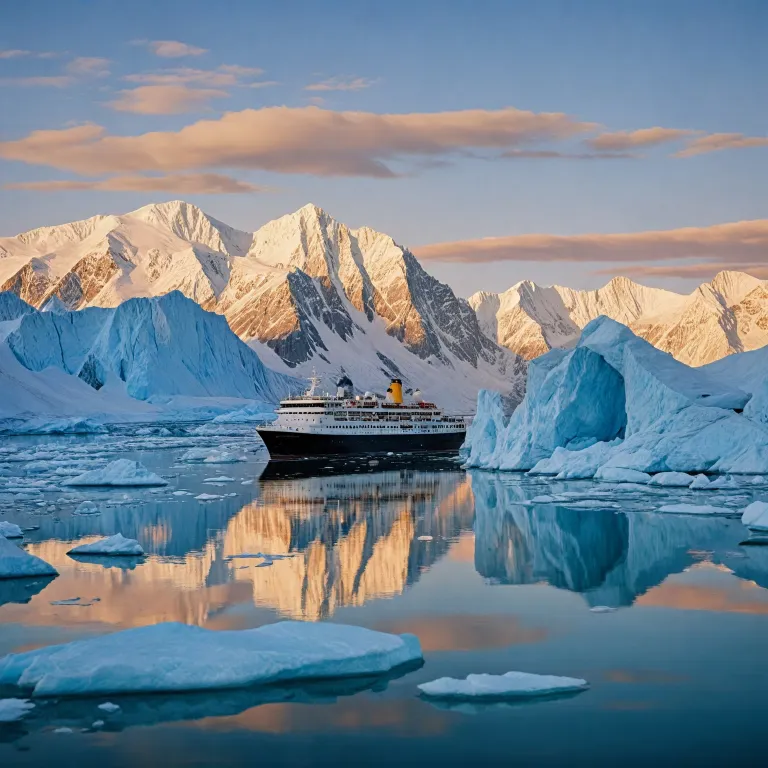
Exploring the essence of arctic expedition cruises: landscapes, wildlife, and culture
Arctic expedition cruises offer a transformative way to experience the high arctic, where the interplay of sea ice, dramatic fjords, and vast tundra creates a landscape unlike any other. These expeditions traverse regions such as Greenland, arctic Norway, and the Canadian Arctic, each presenting unique opportunities for wildlife observation and cultural encounters. Travelers often embark from cities like Reykjavik, Kangerlussuaq, Longyearbyen, or Nuuk, setting sail on ships designed to navigate the challenging polar environment. The expedition team on board provides expert guidance, ensuring safety and enriching the journey with insights into the geology, ecology, and indigenous cultures of the arctic. The arctic is home to an extraordinary array of wildlife, including polar bears, walruses, seals, and arctic foxes. The chance to witness these animals in their natural habitat is a highlight of any arctic expedition. "Travelers may encounter polar bears, walruses, seals, Arctic foxes, and various whale species, guided by experts trained in wildlife observation." The presence of sea ice shapes every day of the voyage, influencing routes and wildlife sightings. Expeditions often include guided landings and Zodiac cruises, allowing guests to get closer to the landscape and its inhabitants. The experience is further enriched by cultural exchanges with local communities in Nunavut, Canada, and Greenland, offering a deeper understanding of life in the polar regions.Planning your arctic adventure: timing, itineraries, and embarkation points
Choosing the right time for an arctic expedition cruise is crucial to maximizing your experience. The season typically runs from June to September, with each period offering distinct advantages. Early summer brings 24-hour daylight, dramatic ice formations, and abundant wildlife, while late summer offers better access to remote areas and the possibility of witnessing the northern lights. Embarkation points such as Reykjavik, Kangerlussuaq, Longyearbyen, and Nuuk serve as gateways to the arctic, each with its own logistical considerations and hotel package options for pre expedition and post expedition stays. Travelers can select from a variety of itineraries, including voyages to the northwest passage, arctic Norway, and the national parks of Greenland and Canada. Many operators offer charter options for groups seeking a tailored experience. The price of arctic expedition cruises varies based on ship, cabin category, and inclusions such as single supplement, expedition hotel nights, and guided activities. For those interested in combining arctic and Antarctic travel, some companies provide packages that explore both poles.Onboard life: ships, comfort, and the role of the expedition team
Modern arctic expedition ships are equipped with advanced navigation systems and ice-strengthened hulls, ensuring safety and comfort in polar waters. These vessels range from intimate ships with fewer than 200 guests to larger options offering a wider array of amenities. The expedition team, comprising naturalists, historians, and scientists, plays a central role in every voyage. They lead daily briefings, lectures, and guided excursions, providing context for each destination and enhancing the educational value of the journey. Guests can expect a blend of adventure and relaxation, with opportunities for kayaking, hiking, and wildlife photography. The ships often feature observation lounges, libraries, and wellness facilities, allowing travelers to unwind after a day of exploration. Pre expedition and post expedition hotel stays are frequently included in the package, ensuring a seamless transition between land and sea. For those seeking to save on their journey, early booking and group rates are available, and single supplement options cater to solo travelers.Wildlife encounters and photography: capturing the spirit of the arctic
Wildlife observation is at the heart of every arctic expedition, with the region’s biodiversity providing endless opportunities for memorable encounters. Polar bears, often seen traversing the sea ice, are a symbol of the arctic and a highlight for many travelers. The expedition team ensures that all wildlife viewing is conducted responsibly, adhering to guidelines set by organizations like the Association of Arctic Expedition Cruise Operators (AECO). "Many operators adhere to guidelines set by organizations like AECO to ensure passenger safety, environmental protection, and ethical interactions with indigenous populations." Photography enthusiasts will find the arctic’s ever-changing light and dramatic landscapes ideal for capturing stunning images. From the colorful houses of Nuuk to the glaciers of Greenland and the rugged coastlines of arctic Norway, every day presents new photo opportunities. Zodiac excursions allow for close-up views of wildlife and ice formations, while guided hikes in national parks reveal the subtle beauty of the tundra. For those interested in the northern lights, late-season expeditions offer the best chance to witness this natural phenomenon.Cultural connections: indigenous communities and sustainable tourism
A defining feature of arctic expedition cruises is the opportunity to engage with the region’s indigenous cultures. Visits to communities in Nunavut, Canada, and Greenland provide insight into traditional ways of life and the challenges faced by those living in the polar environment. Expedition teams facilitate respectful interactions, often arranging cultural performances, craft demonstrations, and discussions with local leaders. These exchanges foster mutual understanding and support sustainable tourism practices that benefit both visitors and host communities. Sustainability is a core value for many arctic expedition operators, who partner with environmental organizations and scientific institutions to minimize their impact. Innovations such as hybrid-powered ships and strict waste management protocols are increasingly common. Travelers are encouraged to follow all guidelines provided by the expedition team, ensuring that their presence contributes positively to the conservation of the arctic’s fragile ecosystems. The inclusion of hotel packages and pre expedition planning helps reduce logistical stress, allowing guests to focus on meaningful experiences. The price of these cruises reflects the commitment to responsible travel and the unique challenges of operating in the high arctic.Practical considerations: packing, pricing, and preparing for the polar journey
Preparation is key to a successful arctic expedition cruise. Packing layered clothing suitable for cold and variable weather conditions is essential, as temperatures can fluctuate significantly even within a single day. Binoculars and cameras are indispensable for wildlife and landscape viewing, and many operators provide detailed packing lists tailored to the specific itinerary. The price of arctic expedition cruises is influenced by factors such as ship class, duration, and inclusions like hotel package, single supplement, and guided activities. Travelers should consider the benefits of pre expedition and post expedition hotel stays, which provide a buffer against travel delays and allow for acclimatization. Charter options are available for groups, and early booking can help save on overall costs. The expedition team is available to answer questions and provide support throughout the journey, ensuring a safe and enriching experience. For those seeking to explore both arctic and Antarctic regions, combination packages offer a comprehensive polar adventure. The commitment to sustainability, cultural exchange, and wildlife conservation makes arctic expedition cruises a truly distinctive way to explore the world’s most remote frontiers.Key statistics about arctic expedition cruises
- Average summer temperature in the arctic: 0°C
- Estimated number of polar bear individuals in the arctic: 25,000
- Percentage of arctic sea ice decline per decade since 1979: 13%
Frequently asked questions about arctic expedition cruises
What is the best time to go on an arctic expedition cruise?
The arctic cruise season typically runs from June to September, with each period offering unique highlights. June–July offers 24-hour daylight and abundant wildlife, while August–September provides better access to remote areas and a chance to see the northern lights.
What wildlife can I expect to see on an arctic expedition cruise?
Travelers may encounter polar bears, walruses, seals, arctic foxes, and various whale species, guided by experts trained in wildlife observation.
Are arctic expedition cruises environmentally responsible?
Many operators adhere to guidelines set by organizations like AECO to ensure passenger safety, environmental protection, and ethical interactions with indigenous populations.
References: Adventure Canada, Poseidon Expeditions, Hapag-Lloyd Cruises
