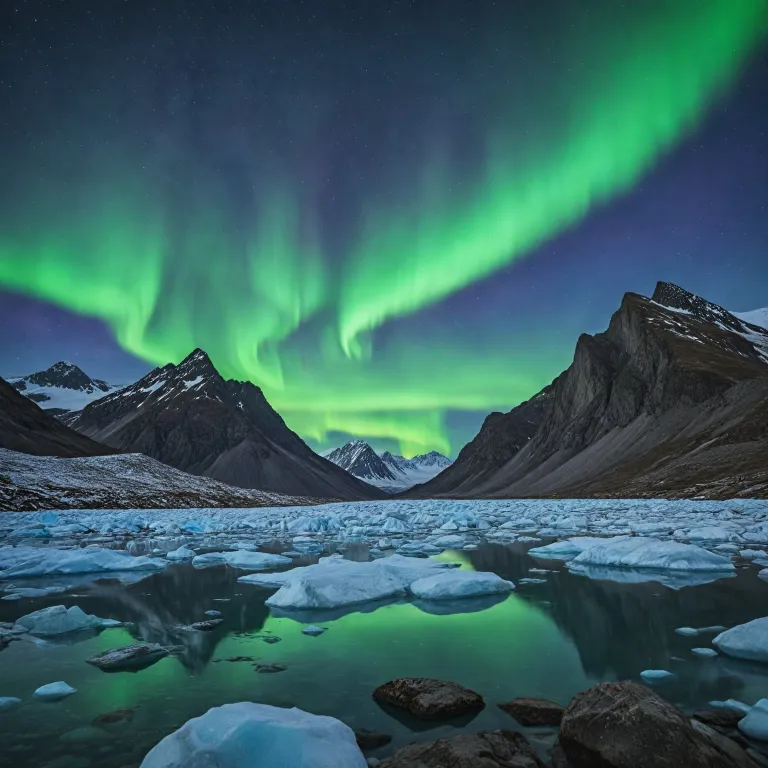
Understanding Greenland’s arctic environment: weather, seasons, and the ice sheet
Greenland’s arctic climate is both captivating and challenging, demanding careful planning for any travel experience. The island’s weather conditions shift dramatically between the milder summer months and the harsh, icy winters. Summer, from June to September, brings temperatures up to 10°C and extended daylight, while winter plunges below freezing, offering the magical northern lights and a landscape dominated by the vast ice sheet. Travellers must prepare for unpredictable weather, especially when visiting Greenland’s west coast or venturing near the arctic circle. Layered clothing, waterproof outerwear, and insulated boots are essential for both winter Greenland adventures and summer excursions. The ice sheet, one of the world’s largest, shapes the land and influences every aspect of travel in Greenland. Understanding the seasonal variations and the impact of the ice is crucial for a safe and memorable trip Greenland experience. Whether you plan to visit towns like Nuuk or Ilulissat, or embark on an expedition cruise along the coast, always monitor local forecasts and heed advice from Greenlandic authorities. The arctic environment rewards those who respect its power and beauty, making every visit Greenland journey a true bucket list achievement.
Planning your Greenland trip: flights, logistics, and essential travel guide insights
Efficient planning is the foundation of a successful Greenland travel experience. International flights Greenland typically arrive in Nuuk or Kangerlussuaq, with domestic flights and helicopters connecting smaller towns and settlements. Booking flights and accommodations well in advance is vital, especially during peak travel seasons when demand surges. The island’s limited infrastructure means that travelling Greenland often involves careful coordination between air, sea, and land transport. For those seeking the best way to explore the coast or reach remote towns, an expedition cruise offers a unique perspective on Greenlandic landscapes and culture. Local tour operators provide invaluable expertise, ensuring your trip Greenland is both safe and enriching. When planning trip details, consult a comprehensive travel guide and consider the timing of your visit to maximize experiences like the northern lights or summer’s midnight sun. For more in-depth advice on arctic travel logistics, explore our comprehensive Greenland travel guide to ensure every aspect of your journey is covered. Remember, flexibility is key when navigating Greenland’s unpredictable weather conditions and vast distances.
Exploring Greenlandic towns: from Nuuk to Ilulissat and beyond
Greenland’s towns offer a fascinating blend of arctic tradition and modern life, each with its own character and attractions. Nuuk, the capital, is the cultural heart of Greenland, where Inuit culture thrives alongside contemporary art and cuisine. Travellers will find museums, local markets, and vibrant communities that reflect the resilience of the Greenlandic people. Ilulissat, famed for its proximity to the UNESCO-listed ice fjord, is a must-visit for those seeking dramatic ice formations and authentic arctic experiences. Smaller towns along the west coast, such as Sisimiut and Qaqortoq, provide insight into daily life in the arctic and opportunities to engage with Inuit people and traditions. When visiting Greenland, take time to explore these unique towns, each offering a different perspective on the island’s history and environment. The best way to connect with local culture is through guided tours, community events, and sampling Greenlandic cuisine. For those interested in sustainable travel, supporting local businesses and artisans is highly encouraged. Discover more about the diverse towns and their offerings in our Greenland towns travel guide, which highlights the best experiences for every traveller.
Immersing in Inuit culture: traditions, people, and responsible travel
One of the most rewarding aspects of Greenland travel is the opportunity to engage with Inuit culture. The Inuit people have inhabited Greenland for millennia, developing unique traditions adapted to the arctic environment. Travellers are encouraged to participate in cultural activities, such as storytelling, music, and traditional food tastings, to gain a deeper understanding of Greenlandic heritage. Respect for local customs is paramount; always ask permission before photographing people and be mindful of sacred sites. Supporting Inuit culture through responsible tourism helps preserve these traditions for future generations. "Respect local customs and traditions; always ask for permission before photographing people." This advice from Greenlandic Tourism Authorities underscores the importance of cultural sensitivity. Expedition cruises and guided tours often include visits to Inuit communities, where travellers can learn about hunting, fishing, and the significance of the ice sheet in daily life. By choosing sustainable travel options and engaging with local guides, visitors contribute positively to the community and foster meaningful cultural exchange. For those passionate about authentic experiences, immersing in Inuit culture is an essential part of any Greenland arctic travel adventure.
Adventure and nature: arctic expeditions, northern lights, and the bucket list experience
Greenland’s wild landscapes offer endless opportunities for adventure, from hiking across the ice sheet to witnessing the northern lights. The island’s rugged coastlines, towering glaciers, and remote islands create a playground for outdoor enthusiasts. Expedition cruises along the west coast provide access to otherwise inaccessible regions, allowing travellers to observe wildlife, kayak among icebergs, and explore untouched land. Winter Greenland is especially magical, with the aurora borealis illuminating the night sky and snow-covered vistas stretching to the horizon. For many, a trip Greenland is the ultimate bucket list experience, combining natural wonders with the thrill of arctic exploration. When planning your adventure, consider the best time to visit Greenland for your preferred activities, and always prioritize safety by following expert guidance. "Be prepared for limited infrastructure and services in remote areas." This practical tip ensures you are ready for the challenges and rewards of arctic travel. Whether you’re trekking near the arctic circle or joining a guided expedition, Greenland’s nature promises unforgettable memories for every traveller.
Practical tips for sustainable and safe travel in Greenland
Sustainable tourism is at the heart of Greenland’s approach to welcoming visitors. Travellers are encouraged to minimize their environmental impact by following established trails, reducing waste, and supporting local businesses. "Support local businesses by purchasing locally made souvenirs and dining at local establishments." This guidance not only enriches your experience but also benefits the Greenlandic economy. Safety is paramount in the arctic, where weather conditions can change rapidly and distances between towns are vast. Always carry navigation tools, communication devices, and appropriate clothing for the season. Travel insurance is essential, especially when venturing into remote areas with limited medical facilities. When planning trip details, consult local tour operators for up-to-date advice and emergency procedures. For those arriving from North America or Europe, direct flights Greenland have improved accessibility, but flexibility remains crucial due to potential delays. By embracing responsible travel practices and respecting the land and people, every visit Greenland becomes a positive force for conservation and cultural preservation.
Key Greenland travel statistics
- Tourist arrivals: 150,000 people
- Projected tourism contribution to export value by 2035: 40%
Frequently asked questions about Greenland arctic travel
What is the best time to visit Greenland?
The best time to visit Greenland is during the summer months (June to September) when temperatures are milder, and daylight hours are extended.
Do I need a visa to travel to Greenland?
Visa requirements for Greenland vary depending on your nationality. It's essential to check with the Danish consulate or embassy for the most current information.
Is it safe to travel in Greenland?
Yes, Greenland is generally safe for travelers. However, it's crucial to be prepared for Arctic conditions and follow safety guidelines, especially when venturing into remote areas.
