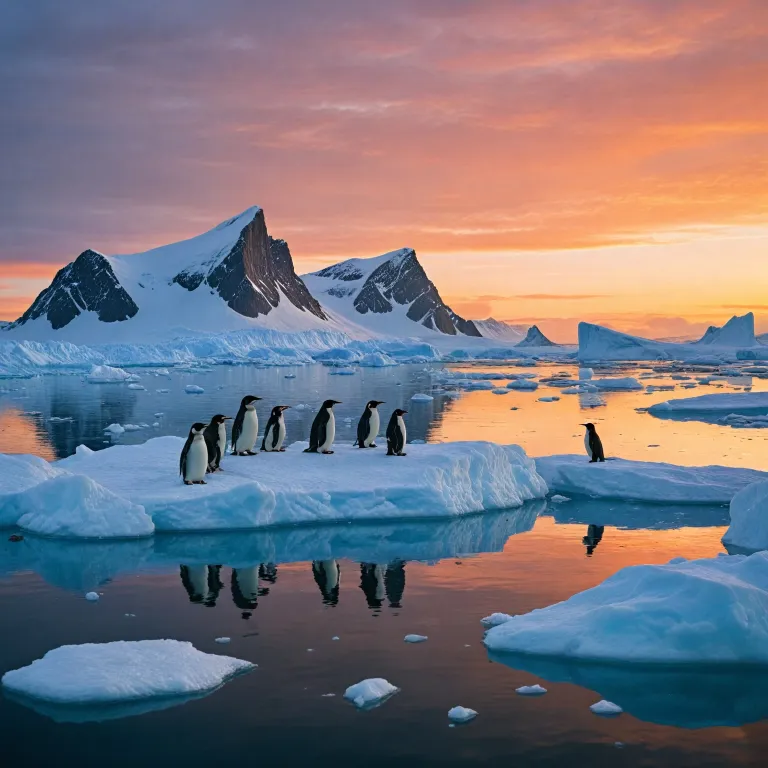
Understanding the Antarctic cruise season: when to embark for the best experience
The Antarctic cruise season extends from late October to early March, offering a unique window for travelers to visit Antarctica. Each month within this period presents distinct opportunities to witness the continent’s dramatic landscapes and thriving wildlife. The best time for Antarctic cruises depends on your interests, whether it is observing penguin chicks, whale watching, or exploring pristine ice formations. Early in the season, from late October to early November, the Antarctic Peninsula is blanketed in unspoiled sea ice, and the landscape is at its most untouched. This is also when penguins begin their courtship rituals, making it a fascinating time to visit Antarctica for those interested in wildlife behavior. As the season progresses, the ice recedes, opening up more landing sites for expedition cruises and allowing deeper exploration south toward the Antarctic Circle.
Travelers should consider the best month for their Antarctic cruise based on what they hope to see and experience. December and January are renowned for longer hours of daylight, warmer temperatures, and increased wildlife activity. The sea ice continues to break up, providing access to remote bays and islands. During this period, penguin chicks begin to hatch, and whales become more visible as they migrate south. February and early March are considered the best time for whale watching, with peak sightings of humpback, minke, and orca whales. The penguin chicks are now fledging, and the landscape is alive with activity. Choosing the best time to visit Antarctica is a matter of aligning your travel goals with the natural rhythms of the region’s wildlife and environment.
Wildlife encounters: penguins, whales, and seals throughout the cruise season
Wildlife is a central highlight of any Antarctic cruise, and the timing of your journey greatly influences the species and behaviors you will witness. The Antarctic Peninsula is home to seven species of penguins, including the iconic emperor, Adélie, and gentoo penguins. November is a remarkable month for observing penguin courtship and nest building, while December and January are the best time to see penguin chicks hatching and being cared for by their parents. The abundance of penguins during these months creates unforgettable moments for travelers and photographers alike. As the season advances, penguin colonies become bustling nurseries, and by February, penguin chicks are nearly ready to fledge.
Whale watching is another major draw for visitors. The best time for Antarctic cruises focused on whale watching is from February to early March, when humpback, minke, and orca whales are most active in the nutrient-rich waters. Seals, including Weddell, leopard, and elephant seals, are present throughout the season, often seen lounging on sea ice or hunting along the coast. The interplay between wildlife and the changing environment is a testament to the richness of the Antarctic ecosystem. For those interested in a comprehensive wildlife experience, combining a visit to South Georgia with an Antarctic cruise offers the chance to see vast colonies of king penguins and dramatic landscapes. For more insights on wildlife and expedition planning, explore our detailed guide on Antarctic wildlife encounters.
Ice, daylight, and weather: how the Antarctic environment shapes your journey
The Antarctic environment is defined by its dynamic ice, fluctuating daylight hours, and rapidly changing weather. Early in the cruise season, the sea ice is at its maximum, creating breathtaking vistas and limiting access to certain areas. This is the best time for travelers who wish to experience the raw, untouched beauty of Antarctica’s ice landscapes. As the season progresses, the ice recedes, revealing more of the coastline and enabling expedition cruises to reach farther south, even crossing the Antarctic Circle. The best time to visit Antarctica for those seeking extended exploration is typically from December to February, when the ice is sufficiently broken up to allow Zodiac landings and guided shore excursions.
Daylight hours are a crucial consideration for travelers. December and January offer up to 20 hours of daylight, maximizing opportunities for wildlife viewing and photography. The average summer temperature on the Antarctic Peninsula hovers around 1°C, but conditions can change rapidly. Travelers should prepare for all weather scenarios, packing thermal layers, waterproof outerwear, and insulated boots. For those interested in the technical aspects of Antarctic travel, advancements in icebreaker ships and eco-friendly technologies have made voyages safer and more sustainable. To learn more about preparing for the unique conditions of Antarctic cruises, visit our resource on Antarctic cruise preparation.
Planning your Antarctic cruise: routes, highlights, and travel logistics
Planning an Antarctic cruise involves careful consideration of routes, highlights, and logistical details. Most cruises depart from Ushuaia, Argentina, the southernmost city in the world, and traverse the legendary Drake Passage before reaching the Antarctic Peninsula. The best time for Antarctic cruises departing from Ushuaia aligns with the main cruise season, from late October to early March. Expedition cruises offer a range of itineraries, from classic peninsula voyages to longer journeys that include South Georgia and the Falkland Islands. Each route offers unique opportunities to experience the continent’s wildlife, ice, and history.
Travelers should book well in advance due to limited availability, especially during peak months such as December and January. It is essential to follow environmental guidelines established by the Antarctic Treaty System, which ensures the protection of the fragile ecosystem. As one expert notes, "Yes, visitors must adhere to the Antarctic Treaty System regulations, which include environmental guidelines and restrictions on certain activities." Choosing the best time to visit Antarctica also means considering your tolerance for sea conditions, as the Drake Passage can be notoriously rough. Modern ships are equipped with stabilizers and advanced navigation systems, enhancing comfort and safety.
Wildlife highlights by month: what to expect from November to March
Each month of the Antarctic cruise season offers distinct wildlife spectacles. In November, travelers witness pristine ice and the start of penguin courtship, with colonies bustling as adults build nests. December is the best time for seeing penguin chicks hatch, and the landscape is alive with the sounds of new life. January continues this trend, with chicks growing rapidly and parents busily feeding them. Whale sightings increase as the month progresses, and seals are commonly seen on the ice and along the shore.
February and early March are the best time for whale watching, with large pods of humpback and minke whales feeding in the rich southern seas. Penguin chicks are now fledging, preparing for their first swims in the icy waters. The receding sea ice allows for deeper exploration of the Antarctic Peninsula and even the chance to cross the Antarctic Circle. South Georgia, often included in longer itineraries, is home to vast king penguin colonies and dramatic wildlife scenes. Travelers seeking the best time to visit Antarctica for specific wildlife encounters should align their cruise with these seasonal highlights. For those interested in penguin chicks, "The best time to see penguin chicks is from late December to January when they hatch and are most visible."
Essential tips for Antarctic travel: preparation, packing, and responsible tourism
Preparation is key to a successful Antarctic cruise. The best time for Antarctic cruises is also the busiest, so booking early ensures access to preferred itineraries and cabins. Travelers should pack thermal base layers, waterproof outerwear, insulated boots, gloves, hats, and high-SPF sunscreen. As one expert advises, "Essential items include thermal base layers, waterproof outer layers, insulated boots, gloves, hats, and high-SPF sunscreen." Weather can change rapidly, so flexibility and readiness are essential. Following guidelines to minimize environmental impact is a responsibility shared by all visitors.
Responsible tourism supports scientific research and conservation efforts in Antarctica. Cruise operators partner with research stations and environmental organizations to educate travelers about the region’s ecosystems. Innovations such as eco-friendly ship technologies reduce the environmental footprint of travel. The best time to visit Antarctica is when you are prepared to embrace the adventure and respect the unique environment. For more on sustainable travel practices and packing recommendations, consult our expert resources and connect with experienced expedition leaders.
Key Antarctic cruise statistics
- Average summer temperature on Antarctic Peninsula: 1°C
- Number of penguin species in Antarctica: 7 species
- Average duration of Antarctic cruises: 10 days
Frequently asked questions about Antarctic cruises
What is the best time to see penguin chicks in Antarctica?
The best time to see penguin chicks is from late December to January when they hatch and are most visible.
Are there any restrictions on visiting Antarctica?
Yes, visitors must adhere to the Antarctic Treaty System regulations, which include environmental guidelines and restrictions on certain activities.
What should I pack for an Antarctic cruise?
Essential items include thermal base layers, waterproof outer layers, insulated boots, gloves, hats, and high-SPF sunscreen.
