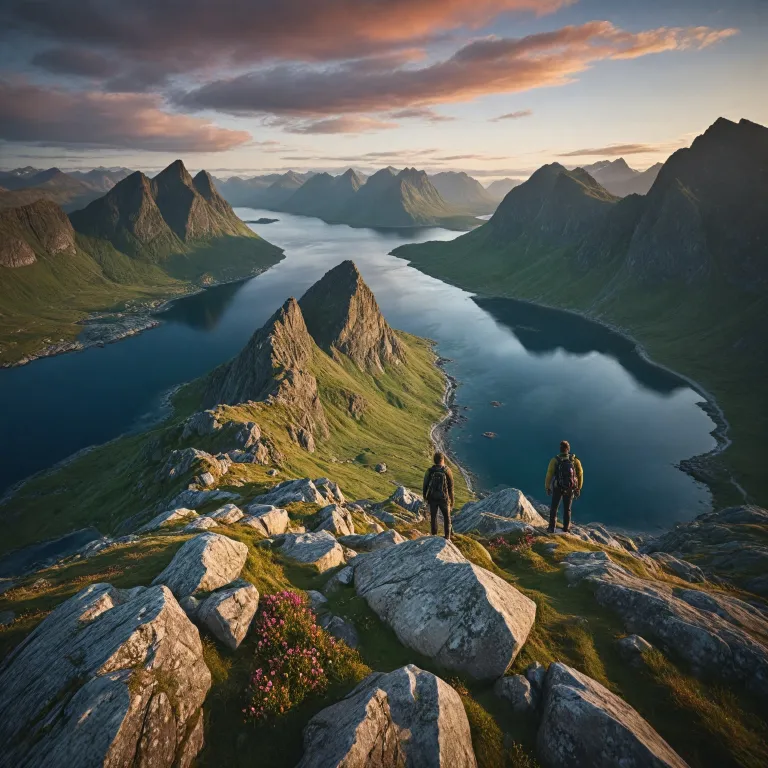
Planning your hiking in the Lofoten Islands adventure
Hiking in the Lofoten Islands rewards patient planning and respect for the elements. The archipelago stretches for many miles above the Arctic Circle, where time feels elastic under the midnight sun and compressed during polar nights. Before any hike, study maps, check the forecast, and match each trail to your preferred activity level and experience.
Local guides and the Norwegian Trekking Association help hikers understand gain difficulty ratings and seasonal conditions. Their expertise is invaluable when you compare a short coastal hike with a long mountain ascent that involves significant elevation gain and exposed ridges. While many hikes in Lofoten are waymarked, fog, sudden rain, and strong winds can quickly transform even a difficulty easy route into something more serious.
Think carefully about when you will travel and how many day hikes you want to include. The best time for hiking in the Lofoten Islands is generally during the summer months when trails are mostly snow free and the midnight sun extends your safe daylight hours. Winter day hiking is possible, but the short day and icy trails demand equipment, experience, and often a professional guide.
Accommodation shapes every trip, especially when you plan early starts. Traditional rorbuer in a fishing village place you close to a popular starting point, so you can leave the parking lot before the crowds arrive and enjoy quieter views. After a demanding hike Lofoten style, a warm room with drying space for wet gear becomes as important as the summit panorama.
Essential safety, weather, and seasonal timing for hikes Lofoten
Arctic weather defines every hike in Lofoten, even on a calm aug sunday that begins with blue skies. Conditions can change within minutes, turning a difficulty moderate ascent into a serious undertaking with slick rock and poor visibility. Always check the latest forecast, then reassess at the trail starting point before committing to higher ground.
Summer brings the midnight sun, which tempts hikers to extend a day far beyond normal limits. Long daylight is a gift, yet fatigue, dropping temperatures, and incoming fog still demand a clear turnaround time and conservative decisions. In winter, the reward shifts toward the northern lights, but the combination of ice, darkness, and cold means that only experienced hikers or guided groups should attempt exposed mountain trails.
Local authorities emphasize a few non negotiable rules for hiking Lofoten safely. Check weather conditions before embarking on hikes. Wear appropriate clothing and footwear. Inform someone about your hiking plans and expected return time. Be aware of local wildlife and natural hazards. Respect local guidelines and preserve the natural environment. These principles apply whether you choose short coastal walks or ambitious day hikes with substantial elevation gain.
On a jul sunday with stable weather, difficulty easy trails such as Hoven on Gimsøy offer wide ranging views with modest gain difficulty. Families and beginners appreciate these routes, which still deliver classic Lofoten islands scenery without technical challenges. For more ideas on polar adventures and unforgettable experiences, many travelers combine Lofoten with other Arctic destinations, using resources similar to this detailed guide to the best things to do in Svalbard for Arctic explorers.
Iconic day hikes and coastal trails across the Lofoten islands
Some of the best hikes in the Lofoten Islands combine steep mountain ridges with sweeping views over white sand and turquoise water. A classic example is the trail to Kvalvika Beach, where hikers cross a pass before descending to a remote bay framed by cliffs and rolling surf. This hike Lofoten enthusiasts love is relatively short in miles, yet the elevation gain and sometimes muddy path justify a difficulty moderate rating.
Other day hikes focus on panoramic views over a fishing village and its surrounding islands. Routes above Reine, Svolvær, and Henningsvær climb quickly from sea level, so hikers feel the gain difficulty in their legs within the first hour. In return, the views stretch across jagged peaks, sheltered bays, and distant open sea, especially atmospheric under the soft light of the midnight sun.
For visitors new to hiking in the Lofoten Islands, day hiking with a local guide can be an excellent way to understand terrain, weather, and safety culture. While many trails can be hiked independently, hiring a local guide can enhance the experience and ensure safety, especially on more challenging routes. Once you gain confidence, you can plan your own day hikes, choosing a starting point with reliable parking lot access and clear signage.
Travelers who fall in love with Arctic landscapes often extend their trip beyond Norway. Some pair hiking Lofoten with polar voyages, using in depth resources such as this guide to Arctic and Antarctic travel to plan future expeditions. Whether you stay a few days or several weeks, thoughtful route selection ensures that each day on the trail feels rewarding rather than rushed.
Practical logistics: starting points, parking, and traditional rorbuer stays
Logistics can make or break hiking in the Lofoten Islands, especially during peak summer when popular parking lot areas fill early. Arriving at the trail starting point before most day hikers gives you calmer conditions and more relaxed time on the ascent. On a busy aug sunday or jul sunday, consider lesser known hikes Lofoten wide to avoid congestion and erosion prone paths.
Public transport exists but rarely aligns perfectly with remote trailheads, so many hikers rent a car for maximum flexibility. This allows you to adjust plans quickly if weather shifts, choosing a difficulty easy coastal trail instead of a difficulty moderate summit with heavy cloud. Always respect local parking rules, as narrow village roads and private driveways cannot absorb overflow from popular day hikes.
Traditional rorbuer accommodations, once used by seasonal fishermen, now welcome hikers seeking character and proximity to nature. Staying in a rorbu near a fishing village places you close to several starting points, reducing transfer time and early morning stress. After a long hike Lofoten style, returning to a warm room with space to dry boots and layers feels like a quiet luxury.
When planning your trip, think in terms of clusters of trails rather than isolated routes. Base yourself for two or three nights near a group of the best hikes, then move on to another part of the islands to explore new views and beaches. Travelers who enjoy combining hiking with longer polar journeys sometimes continue south for a fourteen night Patagonia voyage from Buenos Aires to Cape Horn and beyond, creating a wider narrative of life at the edges of the world.
Matching trails to your activity level, from difficulty easy to difficulty moderate
The rugged profile of the Lofoten Islands can be misleading, because not every hike demands scrambling or extreme fitness. Many short coastal trails offer difficulty easy terrain with modest elevation gain, ideal for families, cautious beginners, or those recovering from injury. These routes still provide memorable views of beach, mountain, and fishing village life, especially in the soft light of late evening.
For hikers with a moderate activity level, difficulty moderate routes deliver a satisfying challenge without requiring technical climbing skills. Expect steeper slopes, loose rock, and more sustained elevation gain, particularly on classic day hikes above Reine, Ballstad, or Kvalvika Beach. Poles, sturdy footwear, and layered clothing become essential, as does a realistic sense of how many miles you can comfortably cover in a single day.
Ambitious hikers sometimes link multiple summits into long day hiking itineraries, but this approach demands excellent navigation skills and a conservative attitude. Even under the midnight sun, fatigue can erode judgment, especially when you push beyond your usual time on the trail. Plan generous margins, carry extra food and warm layers, and always be prepared to shorten the hike if weather or energy levels deteriorate.
When in doubt, speak with local guides or staff at visitor centers about current trail conditions and recommended hikes Lofoten wide for your ability. They understand how snow patches, mud, or wind can shift a route from difficulty easy to difficulty moderate within a week. Matching your chosen hike Lofoten options to honest self assessment is the most reliable way to ensure that every trip feels rewarding rather than risky.
Seasonal magic: midnight sun, northern lights, and year round hiking Lofoten
Hiking in the Lofoten Islands changes character with the seasons, offering distinct rewards for those who return at different times. In high summer, the midnight sun bathes peaks, beaches, and fishing villages in golden light that never quite fades. Many hikers cherish the freedom to start a short trail late in the evening, knowing that darkness will not suddenly cut their time on the mountain.
Autumn brings cooler air, shifting colours, and quieter paths, ideal for reflective day hikes with fewer people at the parking lot. Trails can be slick with rain, so gain difficulty may feel higher than the map suggests, especially on steep descents. Yet the combination of dramatic clouds, changing light, and occasional early snow dusting creates some of the most atmospheric views in the Lofoten islands.
Winter transforms the archipelago into a realm of snow, ice, and long nights illuminated by the northern lights. Only experienced hikers or guided groups should attempt mountain routes then, because elevation gain on icy slopes demands technical equipment and strong skills. Many visitors instead choose difficulty easy coastal walks during the short day, saving energy for aurora watching from a warm room or sheltered beach.
Spring gradually reopens higher trails, though snowfields can linger on north facing slopes long after valleys turn green. This shoulder season suits hikers comfortable with variable conditions and flexible trip planning. Whether you visit in jul, aug, or during the quieter months, thoughtful preparation and respect for the Arctic environment ensure that every hike Lofoten offers becomes part of a wider journey through the polar world.
Key statistics for hiking in the Lofoten Islands
- Highest peak in the Lofoten archipelago, Hermannsdalstinden, rises to 1 029 meters above sea level.
- The Lofoten archipelago includes around 80 significant islands connected by bridges, tunnels, and ferry routes.
- Summer offers extended daylight hours under the midnight sun, while winter brings shorter days with potential for northern lights displays.
Essential questions about hiking in the Lofoten Islands
What is the best time of year to hike in the Lofoten Islands?
The best time for hiking is during the summer months (June to August) when the weather is milder and daylight hours are extended. Trails are generally free of deep snow, and the midnight sun allows flexible start times for both short and long day hikes. Shoulder seasons can also be rewarding, but conditions are more variable and require additional caution.
Are there any easy hikes suitable for beginners in the Lofoten Islands?
Yes, trails like Hoven (368 m) on Gimsøy Island offer relatively easy hikes with rewarding views. These difficulty easy routes feature moderate elevation gain and well trodden paths, making them suitable for families and cautious first time visitors. Even on such accessible trails, proper footwear, weather appropriate clothing, and basic navigation tools remain important.
Do I need a guide to hike in the Lofoten Islands?
While many trails can be hiked independently, hiring a local guide can enhance the experience and ensure safety, especially on more challenging routes. Guides provide insight into weather patterns, local history, and safe route choices that match your activity level. They are particularly valuable in winter or on exposed mountain hikes where conditions can change rapidly.
