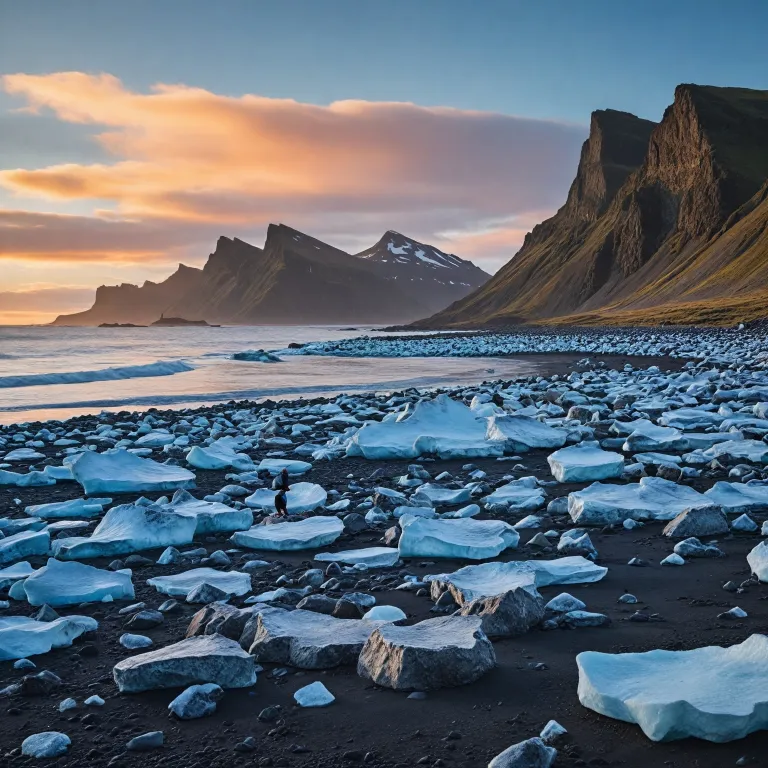
Beautiful Iceland for polar travellers seeking the edge of the map
Beautiful Iceland often feels like a gentle prelude to the Arctic and Antarctic, yet its landscapes are dramatic enough to rival any polar frontier. For travellers who will one day sail past icebergs or cross frozen seas, a first visit to Iceland offers a controlled, comfortable way to test gear, skills, and appetite for remote conditions. The Icelandic Tourism Board actively promotes this balance between accessibility and wilderness, ensuring that every trip remains both inspiring and safe. Iceland’s compact size means that in a single day you can drive a coastal road, hike into a canyon, and stand beside a thundering waterfall without rushing. This density of experiences makes it one of the best places Iceland offers for refining your polar travel style, from packing layers to managing time in unpredictable weather. The Icelandic Meteorological Office monitors storms and volcanic activity, so you can read reliable forecasts before each day trip and adjust your car route accordingly. Many travellers begin in Reykjavík, then follow the ring road to explore each area at a measured pace that suits both first timers and seasoned explorers. Along the south coast, the contrast between black sand and white surf creates an amazing setting for Iceland photography and quiet reflection. When you visit Iceland with a polar mindset, every parking lot, trail, and national park becomes a training ground for future expeditions. Respecting fragile moss, marked paths, and river crossings here builds habits that transfer directly to Arctic and Antarctic environments.
Designing a self drive itinerary around beautiful Iceland
Planning a self drive trip through beautiful Iceland is an elegant way to understand logistics before committing to a full Arctic voyage. A reliable car rental gives you the freedom to adjust each day, yet the responsibility to read conditions and choose the safest road. This balance mirrors the decisions you will make later on remote ice roads or snowmobile routes. When you visit Iceland with a flexible plan, you can extend time in a favourite canyon or sand beach if the light turns amazing. Many travellers follow the ring road in a clockwise loop, adding side trips into each national park or geothermal area that feels worth visiting. Along the south coast, a well maintained car allows you to reach highlights such as Reynisfjara beach, where black sand and basalt columns frame the roaring Atlantic. Here, strong waves and warning signs offer a sober reminder that even a beautiful beach can be dangerous if you underestimate nature. Before leaving Reykjavík, save key locations in Google Maps, including fuel stations, remote parking lot options, and emergency services. This habit of pre plotting waypoints will serve you well in Arctic regions where connectivity is limited and distances are greater. For wildlife focused travellers considering polar bear encounters later, an article on Kaktovik polar bear tours pairs naturally with an Iceland itinerary. Combining these resources helps you refine your sense of scale, risk, and comfort before heading deeper into the polar world.
Waterfalls, canyons, and craters in Iceland’s polar training ground
The raw geology of beautiful Iceland offers a concentrated lesson in the forces that also shape Arctic and Antarctic landscapes. Iconic sites such as a powerful waterfall or a narrow canyon reveal how ice, water, and time carve the earth in slow, relentless movements. When you visit Iceland with this mindset, every rock layer becomes part of a broader polar narrative. Studlagil canyon, with its towering basalt columns and turquoise river, is among the best places Iceland offers for understanding volcanic history. Reaching the canyon often involves gravel roads and modest river crossings, which help you assess your comfort with off asphalt driving. Always check Google Maps for updated access notes, then confirm details with local rangers or the nearest national park office. Nearby, the Viti crater presents a different kind of drama, with a milky blue lake set inside a volcanic bowl. Walking the rim in strong wind is an amazing way to test your balance, footwear, and layering system before harsher polar conditions. In some geothermal areas, a steaming hot spring or series of hot springs sits beside cold lava fields, creating a surreal contrast. After a long day of Iceland photography, soaking in a regulated hot spring offers both recovery and reflection. For travellers drawn to wildlife, pairing these landscapes with an Arctic wildlife tour can deepen your understanding of how animals adapt to similar forces. This combined experience strengthens both your knowledge and your respect for fragile polar ecosystems.
Coastal Iceland, black sand beaches, and polar light
Along the south coast, beautiful Iceland reveals how shorelines prepare travellers for polar seas and remote islands. Reynisfjara beach is the most famous black sand stretch, where roaring surf, sea stacks, and nesting birds create a stark, cinematic scene. Standing here, you feel how wind, spray, and shifting light can transform a simple visit into a profound experience. The same area includes gentler sand beach coves, where walking at low tide helps you judge footing on wet surfaces. These skills matter when you later step from a Zodiac onto Antarctic shingle or an Arctic riverbank. Always park in the designated parking lot and read safety signs carefully, especially where sneaker waves threaten even confident swimmers. For photographers, the interplay of black sand, white foam, and moody skies makes this one of the best Iceland photography classrooms. Many travellers time their trip to align with either the northern lights or the midnight sun, both of which shape polar journeys. Under the northern lights, a quiet beach or national park viewpoint becomes an open air observatory that feels almost otherworldly. During the midnight sun, long golden hours allow you to extend each day, driving the ring road or exploring a canyon well into the night. An in depth article on hiking under midnight sun and northern lights pairs beautifully with planning your Iceland route. Together, these experiences refine your understanding of polar light, fatigue, and the art of pacing yourself.
Practical polar skills you can refine in beautiful Iceland
Beyond scenery, beautiful Iceland functions as a practical classroom for anyone preparing for Arctic or Antarctic expeditions. Dressing in layers for a day trip to a windy crater or exposed waterfall teaches you how quickly conditions change. This habit, reinforced by guidance from the Icelandic Meteorological Office, becomes second nature before you face harsher polar storms. Self drive travellers quickly learn to respect gravel road sections, where a modest car may handle well in dry weather but struggle after rain. Practising cautious approaches to river crossings, even shallow ones, builds judgment that will later guide you on remote Arctic tracks. In geothermal regions, a clearly marked hot spring or cluster of hot springs demonstrates how infrastructure can coexist with fragile nature. Staying on paths, respecting closures, and using designated parking lot areas are all behaviours that translate directly to Antarctic landing sites. When you visit Iceland, you also engage with a tourism model that increasingly emphasises sustainability and local benefit. This mirrors the ethos of high quality polar voyages, where small groups and strict guidelines protect wildlife and landscapes. Reading up on safety advice from the Icelandic Tourism Board before each area you visit reinforces a culture of preparedness. Over time, these small decisions accumulate into a deep, embodied understanding of risk and respect. For many travellers, Iceland becomes the best training ground precisely because it is both beautiful and forgiving. You can make minor mistakes, learn from them, and still return safely to Reykjavík at the end of the day.
Planning time, seasons, and routes for a refined Iceland journey
Thoughtful timing is essential when shaping a journey through beautiful Iceland with future polar travel in mind. The best time to visit depends on whether you prioritise the northern lights, the midnight sun, or quieter roads and trails. “The best time depends on your interests: summer (June-August) offers mild weather and midnight sun, while winter (November-February) provides opportunities to see the Northern Lights.” Many travellers choose a shoulder season, when each national park feels calmer and the ring road carries fewer tour buses. This allows you to linger at a canyon, crater, or sand beach without crowds, refining your sense of solitude. When you visit Iceland in winter, short days demand careful planning of every trip, from car rental pick up to last light at a waterfall. In summer, the extended day gives you more flexibility, but you must still manage fatigue and driving concentration. Use Google Maps to estimate realistic driving times between each place, then add generous buffers for weather and photography stops. Beautiful Iceland rewards those who slow down, treating each area as a distinct chapter rather than a checklist. Over several days, you will notice how your confidence with navigation, packing, and safety grows. By the time you board a ship for Antarctica or join an Arctic ski expedition, these skills feel natural. In this way, Iceland becomes more than a scenic holiday ; it is a polished rehearsal for the polar journeys that lie ahead.
Key statistics for beautiful Iceland and polar minded travel
- Tourism contributes approximately 8.7 % to Iceland’s gross domestic product, underlining how central travel has become to the national economy.
- In recent seasons, around 600 000 visitors from the United States alone have travelled to Iceland, reflecting strong international interest in the country’s landscapes.
- There are roughly 166 hotels across Iceland, ranging from simple roadside stays to refined urban properties in Reykjavík and beyond.
Essential questions about visiting beautiful Iceland
What is the best time to visit Iceland for polar style travel ?
The ideal time to visit Iceland depends on whether you prioritise light or darkness. Summer offers milder temperatures, easier driving, and the midnight sun, which is excellent for long days on the ring road and extended Iceland photography sessions. Winter brings snow covered landscapes and the northern lights, making it better for testing cold weather gear and practising polar style routines.
Do I need a visa to visit Iceland before an Arctic or Antarctic trip ?
Many travellers from Europe, North America, and several other regions can enter Iceland for short stays without a visa. However, you must always check current entry rules with official government sources or your airline before departure, as regulations can change. Treat this as part of your wider polar preparation, ensuring passports, insurance, and health documents are in perfect order.
Is it safe to travel in Iceland while testing polar skills ?
Iceland is widely regarded as one of the safest countries for visitors, with low crime rates and strong infrastructure. The main risks relate to weather, ocean conditions, and natural sites such as cliffs, glaciers, and geothermal areas. By following local guidance, monitoring forecasts, and respecting safety barriers, you can use Iceland as a secure environment to refine your polar travel skills.
