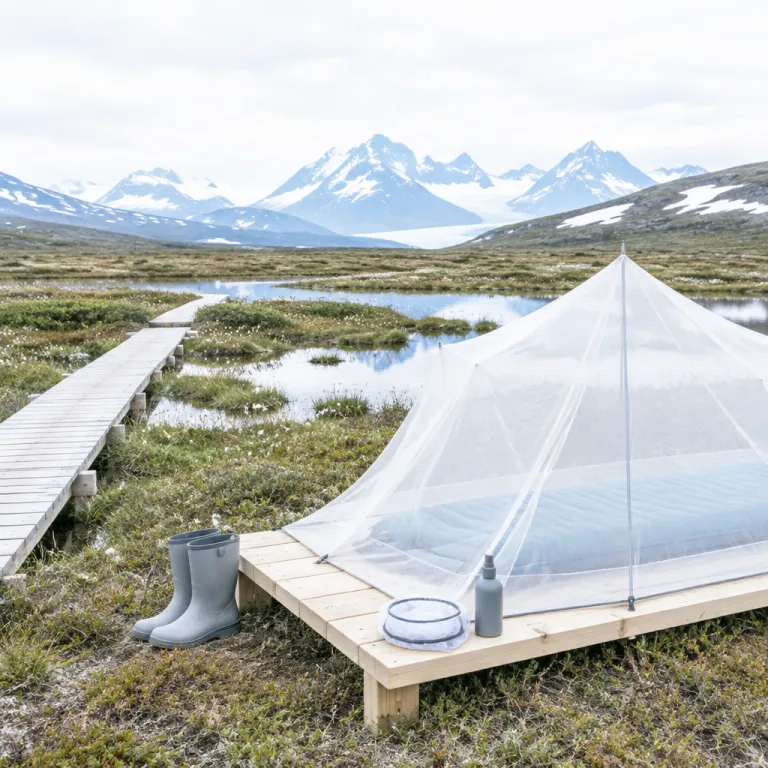
Understanding bugs in Alaska along the Arctic Circle
Many travelers are surprised by how intense insects in Alaska can feel during peak summer. In the Arctic Circle region, the combination of thawing tundra and standing water creates ideal conditions for biting flies, especially the Alaska mosquito and dense clouds of northern mosquitoes. While the scenery is spectacular, the reality is that mosquitoes, midges, and other small arthropods can shape your daily comfort on the ground.
Contrary to the image of a frozen wilderness, Alaska in summer hosts a rich community of invertebrates, from the tiniest soft bodied midge to the larger beetle species that patrol the tundra. You will also encounter various nuisance bugs such as flies, moths, and the occasional bed bug in poorly maintained lodgings, although reputable Arctic lodges manage these risks carefully. Understanding which insect groups are truly common and which are only occasionally spotted helps you plan realistic protection strategies without unnecessary anxiety.
In tundra valleys and wet coastal plains, the most persistent insects are mosquitoes and non biting flies that swarm in humid air just above the ground. The Alaska mosquito, often in the genus Aedes, is famous for its persistence rather than its size, and in some Arctic wetlands the density of adult mosquitoes can reach several hundred per cubic metre, according to field observations by northern researchers and U.S. Geological Survey collaborators. When you prepare for bugs in Alaska, think of them as a natural part of the ecosystem that supports birds, fish, and even charismatic mammals, rather than as an enemy to be eliminated.
Key insect groups: from mosquitoes to beetles and spiders
When travelers talk about bugs in Alaska, they usually mean mosquitoes first, but the reality is more diverse. You will see a wide range of insects including various beetle species, delicate small lacewings, and the occasional tachinid fly resting on a flower. Around coastal gateway towns such as Ketchikan in Southeast Alaska, a detailed city map can help you choose walking routes that avoid the boggiest zones where tundra mosquitoes are most intense, and a resource such as the city map of Ketchikan for refined Arctic gateway travel is particularly helpful for planning.
Beetles in Alaska occupy many ecological niches, from the rove beetle that hunts other bugs on damp ground to the more conspicuous lady beetle that visitors often call a lady bug. These beetles and other insects such as the brown lacewing and green lacewing help control aphids and smaller pests on every flower and shrub. While some travelers worry about any beetle they see, most beetles are harmless to humans and play a vital role in keeping the balance between different insect groups in northern landscapes.
Spiders are another important group, and they are often misunderstood by visitors who fear anything with eight legs. In Arctic meadows you may notice an orb weaver spider stretching a web between low shrubs, or a crab spider waiting motionless on a white flower to ambush a fly or flower fly. These crab spiders and other spiders, including the occasional crab spider with a square headed profile, are allies against mosquitoes and flies, and they rarely bite unless handled roughly.
Where and when bugs in Alaska are at their worst
The timing of your Arctic Circle journey has a major impact on how many biting insects you will encounter. Mosquitoes and other flying insects emerge soon after the snow melts and the ground begins to thaw, with Alaska mosquitoes peaking in warm, still conditions near wetlands. In contrast, coastal areas with steady wind often feel more comfortable, even when inland valleys are buzzing with swarms of tundra insects.
In low lying tundra, shallow ponds and saturated moss create perfect breeding sites for the Alaska mosquito and related species such as Aedes communis and Aedes impiger. These wetlands can host dense swarms of northern mosquitoes, while nearby ridges only a few metres higher may have far fewer insects. Planning your hikes along slightly elevated routes, or choosing an itinerary such as an elegant seven day Alaska itinerary through the Arctic gateway, can significantly reduce your exposure to the most intense biting flies.
Forest edges and river corridors also concentrate insects, including various moth species, flower fly individuals, and the occasional tachinid fly that parasitises other insects. In these habitats you may notice bee–wasp communities, including both bees and wasps, visiting every flower during the long daylight hours. While these bees and wasps are usually focused on nectar and pollen, they can become defensive if you stand directly over a nest or disturb a rotting log where a wasp colony has settled.
Protection strategies: repellents, treated clothes, and smart packing
Managing bugs in Alaska effectively starts with a layered approach that combines repellents, clothing, and behaviour. Many Arctic guides recommend using a high quality repellent containing 20 to 30 percent DEET on exposed skin, while relying on permethrin treated fabrics for long sleeves, trousers, and socks. When used correctly, this combination offers robust protection against the Alaska mosquito and other biting insects without requiring constant reapplication.
Permethrin treated clothing works by repelling or disabling insects such as mosquitoes, ticks, and some soft bodied flies when they land on the fabric. Travelers often report that treated clothes significantly reduce the number of tundra mosquitoes that manage to bite through thin materials, especially during long hikes across wet tundra. As one field biologist working near Utqiaġvik noted, “On bad days the only reason we could keep sampling was because our permethrin layers kept most of the swarm off us.” For those who prefer a lighter chemical footprint, focusing DEET only on wrists, neck, and ankles while relying on physical barriers like head nets and gloves can still keep most biting insects at bay.
To make these strategies easy to apply in the field, use a simple checklist: pack a repellent with an appropriate DEET concentration, treat or purchase permethrin based outer layers in advance following label directions, choose light coloured, tightly woven fabrics, and select campsites on higher, breezier ground away from standing water. Store clothing in sealed bags when not in use, which reduces the chance that spiders, beetles, or other bugs will crawl inside during the night and also helps you spot any hitchhiking bed bug before it reaches your sleeping area.
Balancing comfort and ecology: why bugs in Alaska matter
While it is natural to focus on personal comfort, northern insects are also a cornerstone of Arctic ecosystems. Mosquitoes, flies, and other invertebrates provide essential food for migratory birds, salmon fry, and even some small mammals that depend on this seasonal abundance. Without this pulse of insects, the famous Arctic summer spectacle of nesting shorebirds and feeding waterfowl would simply not exist.
Predatory insects such as the rove beetle, brown lacewing, and green lacewing help regulate populations of smaller bugs that feed on every flower and shrub. Spiders, including orb weaver species and crab spiders, also play a crucial role by capturing flies, mosquitoes, and even the occasional moth in their webs or ambush positions. When you see a spotted lady beetle or another spotted lady insect on a plant, you are watching a natural pest control agent at work, not a threat to your safety.
Even bee–wasp communities, which include both bees and wasps, contribute to pollination and overall biodiversity in Alaska. Flower fly species, sometimes mistaken for bees or wasps because of their yellow and black patterns, are also important pollinators that visit almost every flower in a meadow. By recognising that bugs in Alaska are part of a larger ecological story, many travelers find it easier to accept a few bites in exchange for the privilege of witnessing intact Arctic landscapes.
Practical field tips for Arctic travelers facing bugs in Alaska
On the trail, small habits make a big difference in how you experience biting insects. Choose campsites on slightly higher ground where breezes are stronger and standing water is limited, which naturally reduces Alaska mosquitoes and other flying insects. When possible, set up tents in open areas rather than dense shrubs, because wind is your best ally against mosquitoes and other bugs.
During long hikes, schedule rest stops in breezy spots or on rocky outcrops where insects struggle to maintain a stable flight. Avoid lingering near stagnant pools where the Alaska mosquito breeds, and keep moving through dense swarms rather than standing still while adjusting gear. If you plan side trips such as remote fly fishing for Arctic char, as described in this guide to fly fishing in crystal clear Arctic rivers and remote camps, coordinate with outfitters who understand seasonal bug patterns.
When you pause to photograph a flower or landscape, take a moment to observe the small community of insects around you. You may notice a square headed fly, a flower fly hovering like a tiny drone, or a small lacewing individual resting under a leaf. By paying attention to these details, you transform bugs in Alaska from a nuisance into an additional layer of Arctic natural history that enriches your journey.
Recognising specific species: from lady beetles to wasps
Many travelers enjoy learning to recognise a few emblematic bugs in Alaska, which turns every walk into a quiet field lesson. The familiar lady beetle, often called a lady bug, is perhaps the most charming example, with its bright red shell and black spotted pattern. When you see a spotted lady beetle on a plant, remember that it is hunting aphids and helping to protect the surrounding vegetation.
Among flies, you may encounter the tachinid fly, a robust insect that parasitises caterpillars and other hosts, and various flower fly species that mimic bees or wasps. These flies often hover near a flower before landing, and they are harmless to humans despite their bold colours. Observing them closely reveals how many different insects share the same meadow, from soft bodied midges to sturdier beetles that patrol the ground.
Wasps in Alaska range from solitary hunters to social species that build paper nests under eaves or in shrubs. When people refer to bees wasps in casual conversation, they often mix bees and wasps together, but their behaviour and roles differ significantly. A single wasp or a small group of wasps near a trail is usually not a concern, yet any large cluster of wasps around a nest deserves respectful distance to avoid stings during your Arctic travels.
Key figures about insects and mosquitoes in Alaska
- Entomologists have identified more than 30 species of mosquitoes in Alaska, many in the genus Aedes, and several of these species dominate Arctic wetlands during peak summer, creating the intense swarms that travelers often report.
- Field studies from the United States Geological Survey and collaborating universities indicate that mosquito densities in some tundra ponds can exceed several hundred individuals per cubic metre of air, which explains why short walks near these wetlands can feel overwhelming without protection.
- Research on Arctic bird ecology shows that insect emergence, including mosquitoes, flies, and midges, provides a critical food source for nesting shorebirds, with chick survival rates closely linked to the timing and abundance of these bugs.
- Long term monitoring in northern Alaska has documented shifts in insect phenology, with earlier spring emergence in warmer years, which can create mismatches between insect peaks and the arrival of migratory birds that depend on them.
- Studies on permethrin treated clothing used by field biologists in Alaska demonstrate significant reductions in mosquito bites compared with untreated fabrics, supporting the widespread recommendation for treated clothes in high density insect areas.
FAQ about bugs in Alaska for Arctic travelers
When are mosquitoes in Alaska at their worst for Arctic trips ?
Mosquitoes in Alaska are usually most intense from late spring through mid summer, especially in low lying tundra and wetland areas where snowmelt creates shallow pools. In many Arctic Circle regions, the peak for Alaska mosquitoes coincides with the warmest, calmest weeks, when wind is minimal and standing water is abundant. Coastal and higher elevation areas often experience fewer biting insects, so itinerary design can significantly influence your exposure.
Do I really need permethrin treated clothing for an Arctic journey ?
Permethrin treated clothing is not mandatory, but it is highly effective for reducing bites from the Alaska mosquito and other insects during long days outdoors. Many experienced guides and researchers rely on treated clothes because they provide continuous protection without frequent reapplication, unlike topical repellents. For travelers who are sensitive to bites or planning multi day hikes in buggy areas, investing in permethrin treated garments is a practical choice.
Are spiders and beetles in Alaska dangerous to humans ?
Most spiders and beetles in Alaska are harmless to humans and prefer to avoid contact. Orb weaver spiders, crab spiders, and rove beetle species focus on hunting other insects, while lady beetles and lacewings help control plant pests. Bites from these bugs are rare and usually occur only when an animal is trapped against the skin or handled directly.
How can I avoid bringing bed bugs home from an Alaska trip ?
To minimise the risk of transporting bed bugs, inspect mattresses, headboards, and luggage racks when you check into any accommodation. Keep bags off the floor, store clothing in sealed bags, and examine your gear carefully before returning home, paying attention to seams and folds where a bed bug might hide. Washing and drying clothes on high heat after your trip provides an additional safeguard.
What strength of DEET should I use against bugs in Alaska ?
Repellents containing 20 to 30 percent DEET usually provide several hours of effective protection against mosquitoes and other biting insects in Alaska. Higher concentrations extend the duration but do not dramatically increase immediate effectiveness, so many health authorities recommend moderate strengths applied carefully to exposed skin. Always follow label instructions, avoid overapplication, and combine DEET with physical barriers such as long sleeves, trousers, and head nets for best results.