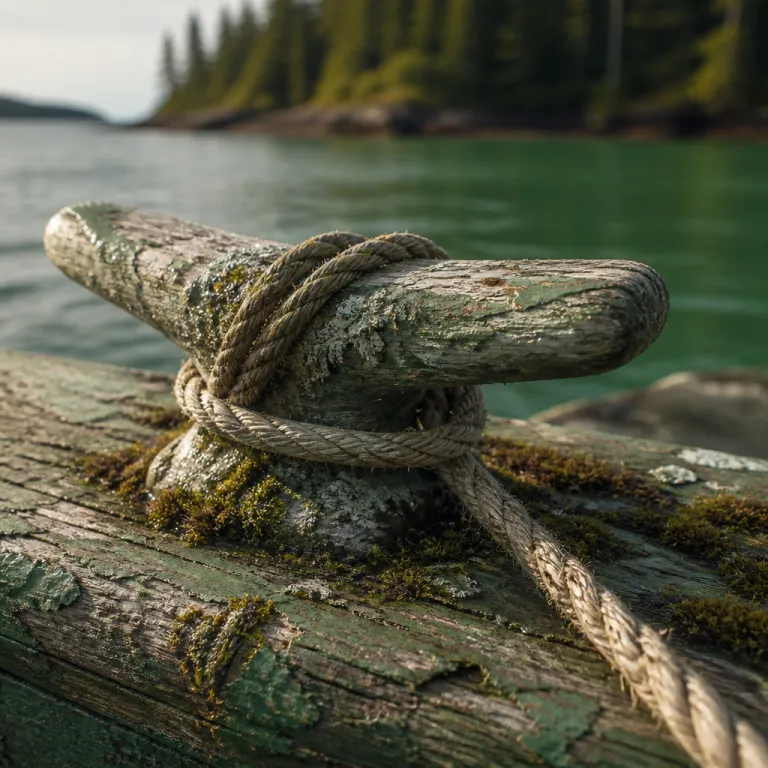
Pedro Bay, Alaska as a quiet Arctic gateway on Iliamna Lake
Pedro Bay, Alaska sits on the northeast shore of Iliamna Lake, forming a tranquil threshold between the Bristol Bay watershed and the Lake Peninsula backcountry. This small village lies within the Lake and Peninsula Borough in southwest Alaska, yet it feels far more remote than its position on the map suggests. For Arctic and sub-Arctic travelers, the bay and its surrounding land offer a rare blend of cultural depth, conservation leadership, and logistical access to some of the wildest areas in the United States.
The community is officially a census-designated place, with the 2020 U.S. Census reporting 43 residents, although recent estimates sometimes cite fewer than 20 year-round inhabitants, which underlines how quiet the area remains even in peak salmon season. That tiny census figure contrasts sharply with the scale of the landscape, because Iliamna Lake stretches more than 120 kilometers and links to other settlements such as Pile Bay on the Lake Peninsula. Travelers heading toward higher-latitude Arctic routes in Alaska often use this lake corridor as a stepping stone, especially when connecting from the Bristol Bay coast to inland airstrips and remote lodges. (Population and CDP status: U.S. Census Bureau 2020; lake length: Alaska Department of Fish and Game)
Pedro Bay belongs to the Lake and Peninsula Borough municipal structure, yet it feels worlds away from larger Alaskan hubs like Anchorage or Fairbanks. The village sits within the United States but is rooted in Dena’ina heritage, and that Alaska Native culture shapes how visitors are welcomed and how the land is managed. For polar-minded travelers, this combination of a tiny lakeside settlement, a vast freshwater basin, and a strong Alaska Native presence makes Pedro Bay an instructive prelude to more extreme Arctic or Antarctic voyages.
Cultural landscape, Dena’ina heritage, and the role of Pedro Bay Corporation
The cultural fabric of Pedro Bay is inseparable from the Dena’ina people, whose traditional territory spans much of the Lake Peninsula and the upper Bristol Bay region. Today, that heritage is represented institutionally by Pedro Bay Corporation, an Alaska Native village corporation created under the Alaska Native Claims Settlement Act. This Native corporation represents approximately 170 shareholders of Aleut, Eskimo, and Indian heritage, and its decisions shape how both residents and travelers experience the bay and surrounding land. (Shareholder figure and ANCSA status: Pedro Bay Corporation corporate overview, 2023)
Pedro Bay Corporation functions as more than a business entity; it acts as a steward for village lands and a guardian of local subsistence practices centered on salmon, moose, and freshwater fish. For visitors planning Arctic-style expeditions, understanding how a village corporation manages land access, conservation easements, and workforce development is essential, since permits and guided activities often run through such Native corporate structures. The corporation also collaborates with regional partners in the Lake and Peninsula Borough network, aligning local priorities with broader state policies on land use and tourism.
Travelers interested in cultural immersion can arrange visits that highlight Dena’ina history, Alaska Native art, and traditional knowledge about weather, ice, and wildlife movements across the area. One local guide summarized it simply: “If you learn to read the lake and the wind here, you’ll travel safer anywhere in the North.” These experiences complement more classic Alaska itineraries that might include a stop at Barbara Falls near Anchorage, and a refined guide to Barbara Falls Alaska for polar-minded travellers can help you frame Pedro Bay within a wider circuit of culturally rich sites. When you treat Pedro Bay, Alaska as both a village and a living cultural landscape, the bay becomes a meaningful waypoint in a longer journey toward the Arctic Circle and, eventually, Antarctic horizons.
Conservation easements, the Pebble Mine project, and Bristol Bay salmon
Pedro Bay, Alaska gained international attention when Pedro Bay Corporation agreed to sell conservation easements over more than 44,000 acres of its land. These legal agreements, arranged with The Conservation Fund, were designed to block a potential access road for the Pebble Mine project, a proposed large-scale mining development near Bristol Bay. The context was clear: the project threatened to alter hydrology and habitat in one of the most productive wild salmon fisheries in the United States, with implications that would ripple far beyond this single bay. (Approximate acreage and partnership: Pedro Bay Corporation and The Conservation Fund announcements, 2022; Pebble Mine context: U.S. Army Corps of Engineers review documents)
The conservation easements mean that key tracts of land around Pedro Bay and Iliamna Lake cannot be used for industrial road building, which significantly hinders the Pebble Mine project’s logistics. In the words of the official explanation, “How does the conservation easement affect the Pebble Mine? It blocks a potential access road, hindering development.” For Arctic and Antarctic travelers who care about intact ecosystems, this is a rare example of a Native corporation, a national conservation fund, and a small village aligning to protect both salmon runs and cultural continuity.
For visitors, the result is a landscape where the bay, the lake, and the surrounding hills remain dominated by natural processes rather than heavy machinery or large-scale infrastructure. Bristol Bay salmon continue to migrate through the wider region, supporting both commercial fisheries and local subsistence harvests that sustain Alaska Native communities. When you stand on the shore of Iliamna Lake near Pedro Bay, Alaska, you are looking at a conservation success story that connects a census-designated place to global debates about resource extraction, climate resilience, and the future of polar travel, just as discussions about Antarctic sea ice loss now shape how we think about long-term expedition planning, as explored in this analysis of why Antarctic sea ice may never fully recover at a detailed Antarctic sea ice overview.
Logistics, access, and how Pedro Bay fits Arctic travel routes
Reaching Pedro Bay, Alaska requires more planning than many first-time visitors expect, because there are no highways linking this village to the road system in the rest of the state. Access is typically by small aircraft from hubs such as Anchorage, King Salmon, or Iliamna, with flights landing on Pedro Bay Airport (FAA identifier PDB), a short gravel airstrip that serves the bay and nearby communities like Pile Bay. For Arctic travelers used to complex itineraries, this leg feels familiar, yet the remoteness of the area still surprises many people.
Once in the village, you will find only limited amenities, so you must coordinate accommodation, guiding, and transfers well in advance through local operators or through Pedro Bay Corporation’s recommended partners. This is where workforce development in the Native corporation context becomes visible, because local residents often work as guides, pilots, or logistics coordinators, ensuring that tourism revenue supports the community. Travelers who have already navigated remote Arctic hubs such as Kaktovik, perhaps while planning a refined polar bear stay at Waldo Arms in Kaktovik Alaska as outlined in this polar bear travel guide at a refined polar bear stay in Kaktovik, will recognize similar patterns of small-scale, community-anchored services.
Pedro Bay’s position on Iliamna Lake also makes it a strategic stop for floatplane-based expeditions that link the Bristol Bay coast with interior river systems and, eventually, Arctic Circle routes further north. Pilots can use the vast surface of Iliamna Lake as a natural runway, hopping between Pedro Bay, Pile Bay, and other settlements along the Lake Peninsula to stage gear and fuel. For travelers designing complex itineraries that might include both Arctic wildlife viewing and Antarctic voyages in the same season, Pedro Bay, Alaska offers a quiet, conservation-minded counterpoint to more crowded Alaskan gateways, while still remaining firmly within the regulatory framework of the United States and the Alaska municipal system.
Seasonality, climate, and how Pedro Bay prepares you for polar conditions
Pedro Bay, Alaska experiences a maritime-influenced sub-Arctic climate, with long, cold winters and short, cool summers that shape every aspect of travel logistics. Snow typically blankets the area for many months, and Iliamna Lake can freeze extensively, creating both challenges and opportunities for movement across the Lake Peninsula. For travelers preparing for more extreme Arctic or Antarctic conditions, time spent in this lakeshore environment offers a valuable training ground.
During summer, daylight stretches late into the evening, and the village becomes a hub for salmon fishing, small boat traffic, and floatplane operations that connect Bristol Bay with inland rivers. This is when most people visit, using Pedro Bay as a base for hiking, wildlife watching, and cultural experiences with Dena’ina hosts who share knowledge about reading weather, ice, and animal behavior. Those same skills prove invaluable when guests later join polar voyages in other parts of the United States Arctic or in the Southern Ocean, where understanding subtle shifts in wind and cloud can make the difference between a safe landing and a missed opportunity.
Winter brings a quieter rhythm, with the census-designated community relying on snow machines, skis, and occasionally ice roads across Iliamna Lake to maintain connections with neighboring villages such as Pile Bay. Travelers who come in this season must be self-sufficient and respectful of local guidance, because residents know how quickly conditions can change. Experiencing Pedro Bay, Alaska in winter gives you a grounded sense of what it means to live in a small village within the Lake and Peninsula Borough, under the broader umbrella of the Alaska municipal and state systems, yet still deeply tied to the land and water in a way that mirrors life in many Arctic and Antarctic research stations.
Planning an ethical itinerary that respects land, people, and conservation
Designing an itinerary that includes Pedro Bay, Alaska requires more than simply booking flights and lodging, because you are entering a village whose land is largely owned and managed by Pedro Bay Corporation and its shareholders. Before you travel, study the corporation’s website and any visitor guidelines, paying close attention to which trails, beaches, and cultural sites are open to guests. This respect for land ownership is central to ethical travel in many Alaska Native communities across the United States.
When arranging guided activities, prioritize operators who work directly with the Native corporation or with local Dena’ina families, since this ensures that tourism revenue supports community priorities such as education, cultural programs, and workforce development. Ask how your visit contributes to ongoing conservation work, including the long-term stewardship of the conservation easements that protect the bay and its surrounding area from industrial road building linked to the Pebble Mine project. Travelers who value intact ecosystems should recognize that the same land which offers scenic views over Iliamna Lake and the Lake Peninsula also represents a hard-won victory for conservation advocates and Alaska Native leaders.
Finally, consider how Pedro Bay fits into a broader Arctic and Antarctic travel strategy that emphasizes low-impact transport, small group sizes, and meaningful engagement with local people. You might combine time in this census-designated place with visits to other Alaskan destinations that highlight climate science, such as research centers focused on sea ice trends similar to those discussed in recent Antarctic studies. By treating Pedro Bay, Alaska not just as a scenic bay but as a living example of how a small village, a Native corporation, and a national conservation fund can shape the future of a globally significant watershed, you align your journey with the highest standards of responsible polar travel.
Key statistics for Pedro Bay, Alaska and its conservation context
- The population of Pedro Bay, Alaska was recorded as 43 people in the 2020 U.S. Census, while some recent estimates suggest fewer than 20 permanent residents, highlighting how a very small census-designated community manages a disproportionately large conservation responsibility. (Population: U.S. Census Bureau 2020; current estimates: World Population Review, 2024)
- Pedro Bay Corporation and its partners have placed more than 44,000 acres of land under conservation easements, as reported by Axios and confirmed in The Conservation Fund’s project summaries, which is a significant share of the accessible area around Iliamna Lake and the Lake Peninsula corridor.
- The conservation easements were structured through a partnership with The Conservation Fund, demonstrating how a Native corporation in the United States can leverage a national conservation fund to influence the fate of a major mining project.
- Pedro Bay lies at approximately 59.7833 degrees north and 154.1000 degrees west, placing this lakeshore settlement firmly within the sub-Arctic zone while still serving as a practical gateway for travelers heading toward higher-latitude Arctic routes. (Coordinates: U.S. Geological Survey and GNIS data)
FAQ about Pedro Bay, Alaska for Arctic focused travelers
What is the Pedro Bay Corporation and why does it matter to travelers?
Pedro Bay Corporation is an Alaska Native village corporation that represents approximately 170 shareholders of Aleut, Eskimo, and Indian heritage, and it owns much of the land around the village. For travelers, this means that access to trails, beaches, and certain viewpoints often depends on permissions or partnerships coordinated through the corporation. Respecting its role is essential for ethical travel and for supporting local workforce development in guiding and logistics.
How does the conservation easement affect the Pebble Mine project near Bristol Bay?
The conservation easements sold by Pedro Bay Corporation to The Conservation Fund permanently restrict industrial road building across more than 44,000 acres of land near Pedro Bay and Iliamna Lake. Because the proposed Pebble Mine project depended on a transportation corridor through this area to reach tidewater on Bristol Bay, the easements significantly hinder the project’s feasibility. This decision protects salmon habitat and maintains the ecological integrity of a key watershed in the United States.
How do I reach Pedro Bay, Alaska as part of an Arctic itinerary?
Travelers typically reach Pedro Bay by small aircraft from regional hubs such as Anchorage, King Salmon, or Iliamna, since there are no connecting highways to the broader Alaska municipal road network. Flights land on a local airstrip that serves the village and nearby communities like Pile Bay on Iliamna Lake. Because schedules and capacity are limited, you should coordinate flights well in advance, especially if you are linking Pedro Bay with other Arctic or Antarctic travel segments.
What should I expect in terms of services and amenities in the village?
Pedro Bay is a very small census-designated place with minimal commercial infrastructure, so visitors should not expect the range of services found in larger Alaskan towns. Basic lodging and guiding can usually be arranged through local operators or via contacts provided by Pedro Bay Corporation, but options remain limited. Travelers must arrive well prepared, with appropriate clothing, communication plans, and flexibility in case of weather-related delays.
Why is Pedro Bay relevant for travelers interested in both Arctic and Antarctic regions?
Pedro Bay, Alaska offers a compact case study in how small communities, Native corporations, and conservation funds can shape the future of sensitive polar-adjacent environments. Time spent here exposes travelers to sub-Arctic weather, lake ice dynamics, and salmon-based ecosystems that echo many themes encountered later in high Arctic or Antarctic voyages. By including Pedro Bay in your itinerary, you gain a deeper understanding of how local decisions in a single bay can influence global debates about resource extraction, climate resilience, and responsible polar tourism.
