Why the andeep expedition matters for polar bound travelers
The andeep expedition opens a rarely seen frontier of Antarctic travel. For travelers who already know glaciers and penguin colonies, this deep sea program reveals how the Southern Ocean shapes every polar journey. It turns a standard antarctic expedition into a layered experience where science, natural history, and responsible tourism intersect.
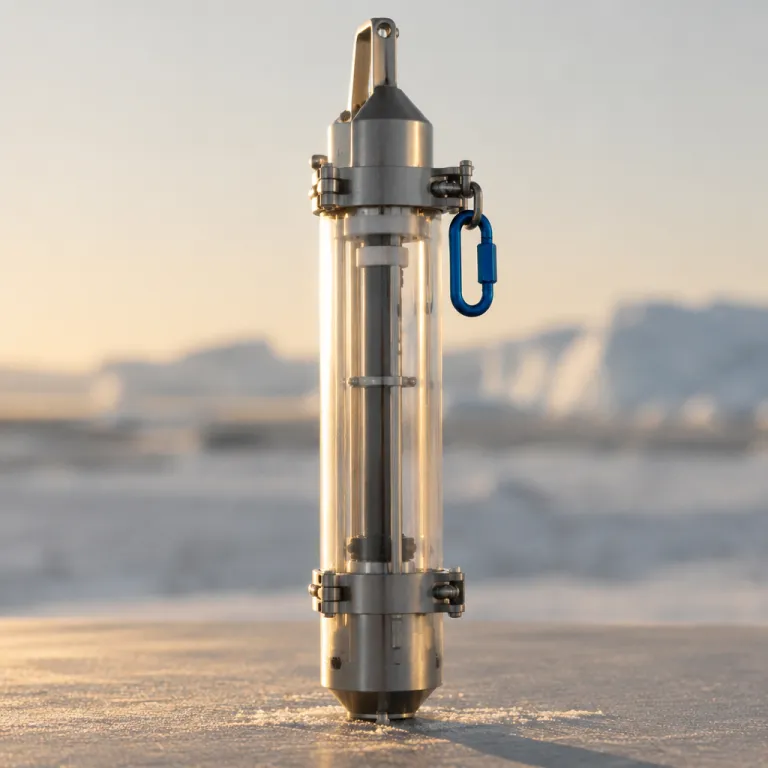
At its core, ANDEEP is a series of scientific voyages that investigate deep marine ecosystems in the Southern Ocean. These expeditions use trawls and remotely operated equipment to sample crustaceans, worms, and other species from depths that most polar guests will never physically reach. A flagship example is ANDEEP I–III (early 2000s) aboard RV Polarstern, which systematically sampled deep basins across the region. Today, the data and stories from this research filter directly into the briefings you hear on modern polar ships.
When you join an antarctic marine focused itinerary, you often sail across sectors once visited by ANDEEP teams. Guides reference the original scientific report series and explain how each expedition changed what we know about marine biodiversity. This means your time on deck watching the weddell sea ice is framed by insights from deep sea sampling stations far below the hull, documented in cruise reports from institutes such as the Alfred Wegener Institute.
From surface ice to deep sea: how travelers meet hidden species
Most guests arrive in Antarctica expecting whales, seals, and charismatic birds at the sea surface. The andeep expedition adds a second storyline, revealing how deep malacostraca and related crustacean groups sustain those familiar animals. You begin to see each iceberg and floe as part of a vertical polar ecosystem that stretches thousands of metres down.
On ships that collaborate with research teams, evening talks often highlight crustacean malacostraca collected during earlier ANDEEP expeditions. Specialists explain how these marine species are catalogued in journals such as Zootaxa and in the broader Journal of Natural History literature. For instance, syntheses of ANDEEP isopod material in Deep-Sea Research II have shown how a single deep sea sample can contain numerous species new to science, each one reshaping maps of southern biodiversity.
Choosing a polar voyage that prioritises science can feel overwhelming when hundreds of options exist. To narrow the field, focus on operators that explain how they integrate real expeditions like ANDEEP into their programming and that share clear selection criteria similar to those outlined in this guide to choosing a polar expedition when many options exist. This approach ensures your antarctic expedition is not only scenic but also grounded in current marine biodiversity research.
Inside the science: what andeep researchers actually do
Behind every elegant lecture on board lies years of methodical work at sea. During each andeep expedition, researchers deploy gear into the deep sea to sample sediments, crustaceans, and other invertebrates across the Southern Ocean. These operations run day and night, often in harsh polar conditions that most leisure travelers only glimpse from a warm observation lounge.
Back on land, specimens move into institutional collections, from a regional museum to the Muséum national d’Histoire naturelle in Paris. There, taxonomists compare new material with historic holdings from earlier south polar expedition programs and from Soviet era research cruises of the Academy of Sciences of the USSR. The goal is to understand how Antarctic marine biodiversity has changed across decades of sampling, climate shifts, and evolving fishing pressures.
Results appear in specialist outlets such as the journal Zootaxa, the Journal of Natural History, and the German series Berichte zur Polar- und Meeresforschung, sometimes cited alongside a Digital Object Identifier in Deep-Sea Research or related journals. When your expedition team cites a DOI or a formal report during a recap, they are linking your personal polar experience to this long chain of peer reviewed work. Responsible operators now use these publications to shape route choices, wildlife guidelines, and even how they explain responsible expedition travel, as explored in this overview of what responsible polar expedition travel looks like on the ground.
Historic echoes: from sudpolar expedition to andeep III
Modern travelers often hear about Shackleton and Scott but rarely about scientific programs like the German Südpolar-Expedition of 1901–1903. Yet the andeep expedition stands in a direct line from those early Southern Ocean voyages that first mapped currents, sea ice, and basic marine life. When you sail past remote Antarctic coasts, you are following routes once used to collect the earliest deep sea samples.
Collections from the Südpolar-Expedition and later German cruises, documented in Berichte zur Polar- und Meeresforschung, still sit in drawers at the Muséum national d’Histoire naturelle and other European institutions. Curators at each museum compare these historic crustacean and malacostracan specimens with new material from ANDEEP III and related cruises. This long view reveals whether Antarctic marine species ranges are shifting as the Southern Ocean warms and sea ice patterns change.
Some expedition leaders weave these stories into shore landings at former research stations or whaling sites. They explain how early national natural history projects, from France to Germany and Russia, laid the groundwork for today’s integrated polar and marine research programs. As a traveler, understanding this lineage helps you see your own voyage as one chapter in a much longer histoire naturelle of Antarctic exploration.
Designing your trip around the andeep expedition legacy
Travelers who care about marine science can now choose itineraries that highlight the andeep expedition legacy. Look for voyages that cross the Weddell Sea or other sectors of the Southern Ocean where ANDEEP and ANDEEP III worked extensively. These routes often feature deeper briefings on crustacean malacostraca, deep sea sampling, and the role of Antarctic marine ecosystems in global climate.
Ask operators whether their guides reference primary literature such as Zootaxa, the Journal of Natural History, or Berichte zur Polar- und Meeresforschung in their educational program. When a team cites a DOI from Deep-Sea Research or similar journals, you know they are grounding their talks in current peer reviewed science. This level of detail matters if you want your antarctic expedition to feel like a genuine field course rather than a scenic cruise.
It can also be rewarding to pair a high latitude voyage with time in a major museum that holds Antarctic collections. A visit to a national natural history gallery or to the deep sea halls of a Muséum national d’Histoire naturelle helps you connect specimens from historic Academy of Sciences of the USSR cruises and modern polar and marine research projects. For travelers who enjoy layered itineraries, combining polar coasts with culturally rich stops, resources such as this guide to elegant ways to experience a northern frontier town can inspire similar pairings in both hemispheres.
What the andeep expedition teaches about responsible polar travel
The andeep expedition does more than catalogue obscure deep sea species. Its findings show how fragile Antarctic marine food webs are and how quickly change in the Southern Ocean can ripple through polar wildlife. For travelers, this science translates into concrete choices about ship size, route selection, and behaviour at sea.
Studies based on ANDEEP and ANDEEP III samples highlight how crustacean malacostraca communities can differ between the Weddell Sea and other basins. Analyses of isopod assemblages, for example, reveal contrasts between Weddell Sea slopes and neighbouring deep basins. These differences help explain why some penguin colonies thrive while others decline, even under similar surface conditions. When your expedition team explains these patterns using data from journals such as Zootaxa or the Journal of Natural History, they are giving you tools to interpret what you see from the deck.
Responsible operators now integrate guidance from Berichte zur Polar- und Meeresforschung and from Deep-Sea Research articles with a DOI reference into their environmental management plans. They adjust speed in sensitive zones, limit noise during key marine mammal periods, and coordinate with wider polar and marine research networks. As a guest, choosing companies that align with this science driven approach ensures your own antarctic expedition supports, rather than undermines, the long term natural history of the region.
Key figures shaping the andeep expedition and polar travel
- Deep sea research in the Southern Ocean has revealed that a large share of sampled invertebrate species may be endemic to the region, according to multiple taxonomic syntheses in the Journal of Natural History and Deep-Sea Research II, underscoring why itineraries that cross these basins need strict environmental protocols.
- Analyses of Antarctic marine biodiversity suggest that malacostraca and other crustaceans account for a substantial share of known deep sea species, with some studies indicating that crustaceans can represent a significant portion of macrofaunal diversity in certain Weddell Sea samples, as reported from ANDEEP material in Deep-Sea Research II, which explains their central role in andeep expedition sampling strategies.
- Long term compilations in Berichte zur Polar- und Meeresforschung show that coordinated polar and marine research programs have increased the number of Southern Ocean sampling stations many times over compared with early Südpolar-Expedition efforts, giving modern expedition teams far better baselines for impact assessments.
- Major museums such as the Muséum national d’Histoire naturelle and comparable institutions in Germany and Russia now hold extensive Antarctic collections from Academy of Sciences of the USSR cruises, south polar expedition work, and ANDEEP III material; these reference archives directly inform wildlife guidelines used by responsible antarctic expedition operators.
FAQ about the andeep expedition and Antarctic travel
Can regular travelers join a voyage linked to the andeep expedition ?
Most andeep expedition legs are dedicated research cruises, but many polar operators now sail through the same Southern Ocean sectors and invite guest scientists who work with ANDEEP data. When you see itineraries that highlight deep sea ecology, Weddell Sea transects, or collaborations with major museum collections, you are likely benefiting indirectly from ANDEEP and ANDEEP III findings.
How does the andeep expedition change what I see on an antarctic expedition ?
The andeep expedition focuses on deep sea crustaceans, malacostraca, and other invertebrates, which you will not see directly from a ship. However, its results explain patterns in whales, seals, and penguins that you do observe, because these predators depend on the marine biodiversity mapped by ANDEEP teams across the Southern Ocean.
Why do guides talk about journals like Zootaxa and Berichte zur Polar und Meeresforschung ?
Guides who reference Zootaxa, the Journal of Natural History, or Berichte zur Polar- und Meeresforschung are signalling that their briefings draw on peer reviewed science rather than anecdote. Many of the crustacean malacostraca species described from ANDEEP and Academy of Sciences of the USSR material appear in these journals, often linked to a DOI in Deep-Sea Research or similar outlets.
Is visiting a museum national d’Histoire Naturelle relevant to my Antarctic trip ?
Visiting a Muséum national d’Histoire naturelle or another major museum before or after your voyage can deepen your understanding of Antarctic marine ecosystems. These institutions hold specimens from south polar expedition programs, Academy of Sciences of the USSR cruises, and ANDEEP III, allowing you to connect the animals you saw at sea with the long term natural history of the Southern Ocean.
What should I ask an operator if I care about deep sea conservation ?
If deep sea conservation matters to you, ask how the company uses findings from the andeep expedition and related polar and marine research projects in its planning. Look for references to Weddell Sea management, Southern Ocean protected areas, and collaboration with scientists who publish in Zootaxa, the Journal of Natural History, or Berichte zur Polar- und Meeresforschung.