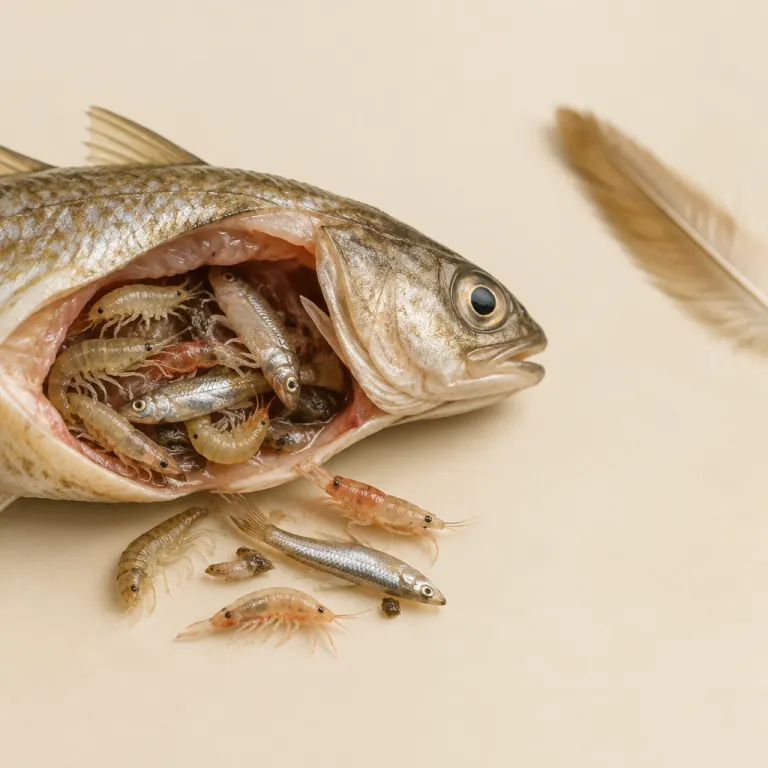
What does the Arctic cod eat and why travelers should care
When travelers ask what does the Arctic cod eat, they are really asking how life survives beneath the ice. This small polar fish, known scientifically as Boreogadus saida, sits at the heart of Arctic food webs and quietly supports many wildlife encounters that visitors hope to see. Understanding the cod food preferences helps you read the marine food landscape of each fjord, bay, and channel during an expedition cruise.
The Arctic cod, often called polar cod in older literature, feeds mainly on tiny crustaceans called zooplankton that drift in the sea beneath sea ice. These marine organisms graze on microscopic algae, which form the primary production base of the Arctic food chain and link sunlight to higher trophic levels. When you watch a seal hunting along the ice edge in the Arctic Ocean, you are witnessing the final act of a long food web that began with algae growing on the underside of sea ice.
In many regions of the Canadian Arctic, guides explain that Arctic cod gather in dense schools near the ice edge where marine food is richest. Here, the species Boreogadus saida can quickly exploit seasonal blooms of plankton and other small fish that rise in the water column. For travelers, this means that the best chances to see marine mammals often coincide with places where Arctic cod and other Arctic species concentrate along productive ocean fronts.
Inside the Arctic cod menu: from ice algae to zooplankton
The diet of Arctic cod begins with the strange world of ice algae that grows in briny channels within sea ice. As the Arctic climate warms in spring, this algae releases into the sea and fuels swarms of copepods and other zooplankton that become essential Arctic food for many fish. The cod Boreogadus then targets these swarms, turning microscopic plants into concentrated marine food that larger predators can use.
Scientists studying what does the Arctic cod eat often dissect stomachs to identify which species dominate the meal. They frequently find copepods, amphipods, and small pelagic fish, showing that this cod species is both a selective hunter and an opportunistic feeder within different trophic levels. In deeper parts of the Arctic Ocean, polar cod may also consume gelatinous zooplankton, adapting its food web role to whatever marine species are most abundant.
For travelers crossing the Canadian Arctic on expedition ships, this hidden feeding behavior shapes what you see at the surface. When Arctic cod follow drifting patches of zooplankton, marine mammals such as ringed seals and beluga whales often track the same food webs Arctic scientists map with sonar. Your guide may point to ripples or bird activity on the sea and explain that these subtle signs often reveal where cod food is concentrated below.
From cod to seals and whales: how a small fish supports polar giants
Understanding what does the Arctic cod eat is only half the story, because the real drama unfolds when predators arrive. In many Arctic species, especially marine mammals, the energy that began as primary production in ice algae eventually passes through Boreogadus saida before reaching seals, whales, and seabirds. This makes the humble Arctic cod a central connector in the Arctic food chain and one of the most influential species Arctic ecologists study.
Ringed seals, bearded seals, and even some baleen whales rely heavily on Arctic cod and polar cod schools that gather along sea ice edges. These predators target areas where cod have already concentrated marine food by feeding on zooplankton, effectively compressing several trophic levels into a narrow band of ocean. When you watch a seal surfacing through a breathing hole in the ice, you are seeing the endpoint of a food web Arctic scientists describe as both efficient and fragile.
Travelers often notice that bird activity can signal where cod food is abundant in the sea. Kittiwakes, guillemots, and little auks dive repeatedly into the ocean where Boreogadus and other cod species rise toward the surface, creating visible patterns in the food web. On a calm day in the Canadian Arctic, a cluster of feeding birds against the white ice horizon may be your best clue that a dense school of Arctic cod is driving the entire marine spectacle.
Inuit knowledge, Arctic cod, and respectful wildlife travel
Long before scientists asked what does the Arctic cod eat, Inuit hunters had already mapped these food webs through experience. Inuit communities across the Canadian Arctic learned to read sea ice, currents, and bird movements to locate areas where Arctic cod and other Arctic species gathered. Their knowledge of how species Arctic predators follow cod has guided safe travel routes and sustainable hunting practices for generations.
Inuit elders often explain that healthy sea ice and predictable seasons once ensured reliable Arctic food for both humans and wildlife. When ice conditions changed, they adjusted travel timing, knowing that shifts in the marine food web would alter where cod, seals, and whales appeared. For visitors, listening to Inuit guides describe these relationships offers a deeper understanding of how Boreogadus saida links cultural traditions, marine mammals, and the broader Arctic climate system.
Responsible polar travel means recognizing that every wildlife sighting rests on this intricate food web. When you join a small group on the ice edge to watch seals haul out, you are entering a living classroom where Inuit knowledge and scientific data meet. Choosing operators who collaborate with local communities and respect traditional insights into food webs Arctic travelers rarely see below the surface will enrich your journey and support long term stewardship.
Climate change, shipping routes, and the future of Arctic cod
The question what does the Arctic cod eat is changing as climate change reshapes the Arctic Ocean. Earlier sea ice melt, warmer water, and shifting currents alter which marine species dominate the plankton community that forms the primary food for Boreogadus and related cod species. These changes ripple through trophic levels, affecting everything from small fish to large marine mammals that depend on stable food webs.
As new shipping routes open across the Canadian Arctic, noise, pollution, and icebreaking can disturb habitats where polar cod shelter and feed. Scientists warn that increased shipping traffic may disrupt the timing of cod food availability, especially in narrow straits where sea ice once provided predictable conditions. For travelers, this means that routes once rich in Arctic food chain activity may become quieter, while other regions experience unexpected concentrations of species Arctic predators following displaced cod schools.
Wildlife focused voyages now often include briefings on how climate change impacts the food web Arctic cod anchors. Guides explain that when sea ice retreats earlier, ice algae blooms may no longer align with the life cycle of key zooplankton, weakening the marine food base. Your choice to travel with operators who minimize emissions, avoid sensitive breeding areas, and support research on Boreogadus saida can help reduce negative impacts on this vital marine species.
Planning polar journeys around food webs, from cod to birds
Travelers who understand what does the Arctic cod eat can plan more meaningful itineraries across polar regions. In spring and early summer, when sea ice still fringes the Arctic Ocean, the release of ice algae fuels intense feeding by zooplankton and then by Boreogadus, creating hotspots of marine food. Voyages timed to these pulses often offer exceptional chances to see seals, whales, and seabirds that depend on dense Arctic cod schools.
Many expedition companies now design routes that follow productive food webs Arctic scientists have mapped over decades. They may combine Arctic segments with southern wildlife journeys, such as birdwatching trips in Patagonia, where travelers can explore another rich marine food web by reading a detailed guide like a journey through the birds of Patagonia. By comparing how different oceans structure their trophic levels, you gain a clearer sense of how unique the Canadian Arctic and other polar seas truly are.
When planning, ask operators how they interpret the food chain from primary production to top predators during each voyage. The most insightful guides will explain how cod boreogadus, polar cod, and other Arctic species respond to changing ice, currents, and climate, then adjust daily plans to follow these patterns. This approach turns each landing, zodiac cruise, or sea day into an opportunity to see the living connections between cod food, marine mammals, and the wider Arctic climate system.
Key figures on Arctic cod, food webs, and polar ecosystems
- In some Arctic regions, Arctic cod and polar cod can represent more than 75 percent of fish biomass in near shore waters, concentrating energy from lower trophic levels into a form accessible to seals, whales, and seabirds (data from Fisheries and Oceans Canada).
- Studies in the Canadian Arctic have shown that up to 90 percent of the diet of ringed seals in certain seasons may consist of Boreogadus saida, underlining how strongly marine mammals depend on this single species within the Arctic food chain (reported by the Norwegian Polar Institute).
- Satellite observations indicate that the duration of seasonal sea ice cover in parts of the Arctic Ocean has decreased by several weeks over recent decades, compressing the window for ice algae growth that supports the primary food base for Arctic cod and related species (European Space Agency climate reports).
- Acoustic surveys have recorded dense schools of Arctic cod extending for tens of kilometres along productive ice edges, where food webs Arctic scientists study show intense transfer of energy from zooplankton to higher trophic levels (various polar research cruises in the Beaufort and Chukchi seas).
- Shipping traffic through Arctic waters has increased several fold since the early era of satellite monitoring, raising concerns about noise, pollution, and habitat disturbance for species Arctic ecologists classify as ice associated, including Boreogadus saida and the marine mammals that feed on it (International Maritime Organization assessments).
FAQ about Arctic cod, diet, and polar travel
What does the Arctic cod mainly eat beneath the ice
Arctic cod feed primarily on zooplankton such as copepods and amphipods that graze on ice algae and other microscopic plants. This diet allows Boreogadus saida to convert primary production into concentrated marine food for higher trophic levels. In some areas they also consume small fish and gelatinous plankton when these species are abundant.
Why is Arctic cod so important for seals and whales
Because Arctic cod gather in dense schools and feed efficiently on lower trophic levels, they provide a high energy link between tiny plankton and large marine mammals. Ringed seals, belugas, and many seabirds rely heavily on this cod species, especially along sea ice edges. Without strong Arctic cod populations, the entire food web in many polar regions would weaken.
Where can travelers most often see wildlife linked to Arctic cod
Wildlife encounters tied to Arctic cod are most common along productive ice edges, shallow coastal zones, and fronts where cold and warmer water masses meet. In the Canadian Arctic, fjords of Baffin Island, Lancaster Sound, and parts of the Beaufort Sea are classic examples. Guides watch for bird activity and surface disturbances that signal cod schools and associated predators.
How is climate change affecting the Arctic cod diet
Warming temperatures and earlier sea ice melt are shifting the timing and composition of plankton blooms that form the primary food for Arctic cod. If ice algae and zooplankton peaks no longer match the life cycle of Boreogadus saida, cod may struggle to feed efficiently. These changes can cascade through the Arctic food chain, affecting seals, whales, and seabirds.
Does increased Arctic shipping threaten Arctic cod
Rising shipping traffic introduces noise, pollution, and icebreaking that can disturb habitats where Arctic cod shelter and feed. In narrow straits and coastal zones, these impacts may disrupt local food webs and alter where cod and their predators gather. Responsible routing and strict environmental regulations are essential to protect this key species and the wider marine ecosystem.