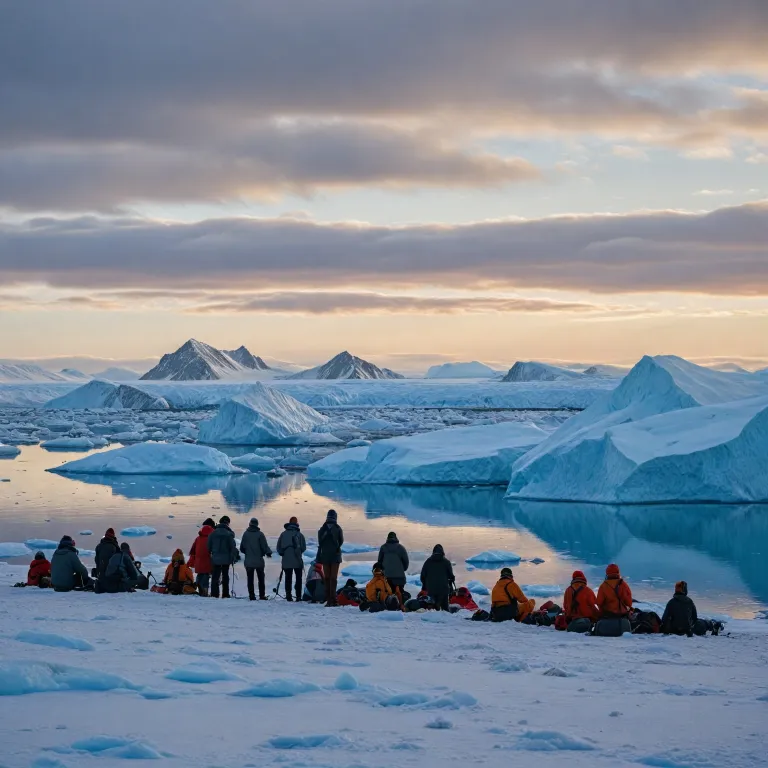
Understanding antarctic volunteer programs and their impact on science
Antarctic volunteer programs offer unique opportunities for citizens to engage directly with scientific research and conservation projects in the polar regions. These programs are designed to support ongoing science projects, data collection, and educational outreach, all while fostering a deeper connection to the Antarctic environment. Volunteers may find themselves assisting scientists with field research, helping to monitor penguin populations, or supporting logistics for expeditions across the antarctic peninsula and south pole. The integration of citizen science into these initiatives has expanded the reach and impact of polar programs, enabling a broader community to contribute to vital research on climate change and biodiversity.
Participants in antarctic volunteer programs often work alongside scientists from organizations such as the National Science Foundation (NSF), the United States Antarctic Program (USAP), and international partners. Their roles can include deploying secchi disks to measure phytoplankton abundance, recording environmental data, and supporting the logistics of science programs in challenging conditions. The collaboration between citizen scientists and professional researchers enhances the quality and quantity of data collected, which is essential for understanding the rapidly changing polar regions. As a result, these programs not only advance scientific knowledge but also promote conservation and public awareness about the importance of Antarctica.
For those interested in joining an antarctic program, it is essential to prepare for extreme cold, unpredictable weather, and rigorous physical demands. Pre-departure training, thorough medical examinations, and a commitment to safety are standard requirements. The experience is both demanding and rewarding, offering volunteers a chance to make meaningful contributions to science while exploring one of the most remote environments on Earth.
Key organizations and pathways to antarctic volunteer opportunities
Several reputable organizations coordinate antarctic volunteer programs, each offering distinct pathways for citizens to participate in science and conservation efforts. The South African National Antarctic Programme (SANAP) provides job opportunities for relief voyages to SANAE IV, focusing on supporting research station operations and logistics. The Australian Antarctic Division (AAD) also manages science programs that welcome citizen scientists and support staff for various projects across the continent. Nonprofit organizations like Oceanites play a crucial role in tracking wildlife populations and facilitating citizen science projects that contribute to long-term ecological monitoring.
International collaboration is a hallmark of antarctic volunteer programs, with the International Association of Antarctica Tour Operators (IAATO) supporting responsible tourism and scientific engagement. Educational initiatives, such as those led by the Students on Ice Foundation, offer young participants the chance to join expeditions and contribute to data collection and outreach. These programs emphasize the importance of citizen involvement in advancing science and conservation in the polar regions. As the demand for data on climate change and ecosystem health grows, so too does the need for dedicated volunteers willing to support these critical efforts.
To explore current job opportunities and program requirements, prospective volunteers should consult the official websites of these organizations. Application processes typically involve demonstrating relevant skills, physical fitness, and a passion for polar science. For more details on available positions and how to apply, refer to the antarctic job opportunities portal.
Roles and responsibilities of citizen scientists in antarctic programs
Citizen scientists play a vital role in the success of antarctic volunteer programs, contributing to a wide range of science projects and fieldwork. Their responsibilities may include assisting with the deployment of scientific instruments, collecting samples for analysis, and recording observations on wildlife and environmental conditions. In many cases, citizen scientists help monitor phytoplankton populations using secchi disks, a simple yet effective tool for assessing water clarity and ecosystem health. This hands-on involvement provides valuable data that supports ongoing research on climate change and its effects on the antarctic ecosystem.
Volunteers also support logistical operations, ensuring that expeditions run smoothly and safely. This can involve helping with equipment transport, maintaining research stations, and assisting with communication between teams in remote areas. The collaborative nature of antarctic programs fosters a sense of community among participants, who share a common goal of advancing scientific understanding and conservation. As one of the verified expert quotes states, "Opportunities vary by organization; interested individuals should consult the specific program's website for application details and requirements."
Those interested in becoming citizen scientists should be prepared to adapt to challenging environments and work as part of a multidisciplinary team. Training is provided to ensure that all participants are equipped with the necessary skills and knowledge to contribute effectively. For further insights into the daily life of antarctic volunteers, visit the antarctic fieldwork experiences page.
Scientific focus areas: from climate change to biodiversity monitoring
Antarctic volunteer programs are deeply embedded in scientific research that addresses some of the most pressing global challenges. Climate change is a central focus, with volunteers supporting data collection on temperature, ice cover, and ecosystem responses. Projects often involve monitoring the health of phytoplankton communities, which are critical indicators of ocean productivity and carbon cycling. The use of secchi disks by citizen scientists has become an essential method for gathering consistent data across the antarctic peninsula and south georgia.
Biodiversity monitoring is another key area, with programs tracking populations of penguins, seals, and other wildlife. Organizations like Oceanites rely on citizen scientists to help gather data on species distribution and abundance, informing conservation strategies and policy decisions. The integration of citizen science into these efforts has led to a greater understanding of the complex interactions between climate, wildlife, and human activity in the polar regions. Volunteers also contribute to long-term datasets that are invaluable for detecting trends and informing future research priorities.
By participating in these science programs, volunteers not only support the work of professional scientists but also gain firsthand experience in the methods and challenges of polar research. This engagement fosters a deeper appreciation for the importance of antarctic conservation and the role of science in addressing global environmental issues.
Preparing for an antarctic expedition: training, safety, and logistics
Preparation is a critical component of any antarctic volunteer program, given the extreme conditions and logistical complexities of working in the south pole and surrounding regions. Volunteers must undergo thorough medical examinations to ensure they are fit for the physical demands of the expedition. Pre-departure training sessions cover essential topics such as safety protocols, environmental stewardship, and the use of scientific equipment. These preparations are designed to minimize risks and ensure that all participants can contribute effectively to the program's objectives.
Logistical support is provided by organizations such as the USAP, NSF, and their international partners, who coordinate transportation, accommodation, and supplies for research teams. Volunteers may be involved in setting up field camps, maintaining equipment, and assisting with daily operations at research stations. The ability to adapt to rapidly changing weather conditions and work collaboratively is essential for success in these environments. As another verified expert quote highlights, "Qualifications depend on the program but often include relevant educational background, physical fitness, and the ability to work in extreme conditions."
Safety is always the top priority, with strict protocols in place to protect both participants and the fragile antarctic ecosystem. Volunteers are expected to adhere to guidelines for waste management, wildlife interaction, and emergency response. These measures ensure that antarctic volunteer programs maintain the highest standards of environmental responsibility and participant well-being.
Long-term benefits and future directions of antarctic volunteer programs
The impact of antarctic volunteer programs extends far beyond the duration of individual expeditions. By engaging citizens in meaningful science projects, these programs foster a global community of advocates for polar conservation and research. The data collected by volunteers supports long-term studies on climate change, biodiversity, and ecosystem health, providing a foundation for informed decision-making and policy development. As interest in citizen science continues to grow, so too does the potential for innovative approaches to research and education in the polar regions.
International collaboration remains a cornerstone of antarctic programs, with organizations working together to expand opportunities for participation and knowledge sharing. The involvement of citizen scientists has led to new insights and discoveries, demonstrating the value of diverse perspectives and expertise. As one more verified expert quote notes, "Age requirements vary by program; some may have minimum age limits, while others focus on early-career professionals or students." This inclusivity ensures that a wide range of individuals can contribute to the ongoing efforts to protect and understand Antarctica.
Looking ahead, the continued integration of citizen science, technological innovation, and cross-sector partnerships will shape the future of antarctic volunteer programs. These initiatives will remain essential for advancing scientific understanding, promoting conservation, and inspiring the next generation of polar explorers and researchers.
Key statistics on antarctic volunteer programs and polar research
- Number of active research stations in Antarctica: 70 stations (Scientific Committee on Antarctic Research)
- Average annual temperature at McMurdo Station: -18°C (National Science Foundation)
- Number of penguin species in Antarctica: 5 species (Oceanites)
Frequently asked questions about antarctic volunteer programs
How can I volunteer for Antarctic research programs?
Opportunities vary by organization; interested individuals should consult the specific program's website for application details and requirements.
What qualifications are needed to participate in Antarctic volunteer programs?
Qualifications depend on the program but often include relevant educational background, physical fitness, and the ability to work in extreme conditions.
Are there age restrictions for volunteering in Antarctica?
Age requirements vary by program; some may have minimum age limits, while others focus on early-career professionals or students.
