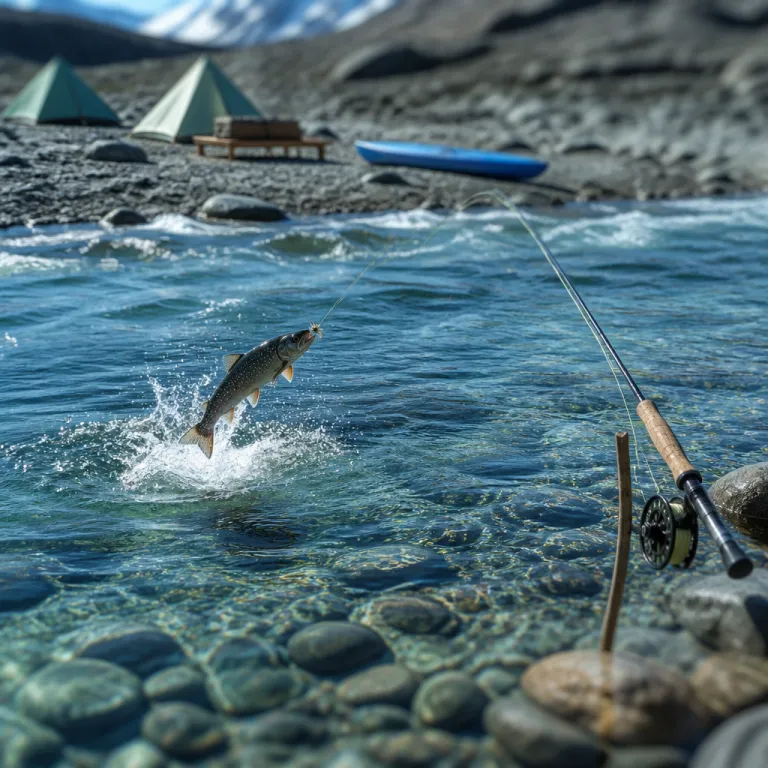
Why fly fishing Greenland belongs on every serious angler’s list
Fly fishing in Greenland offers a rare blend of wild rivers and near untouched fish populations. In this Arctic environment, each river holds strong Arctic char that may never have seen a fly, and the experience feels closer to an expedition than a standard fishing holiday. For anglers who value solitude, clear water, and genuine wilderness, casting a fly in Greenland stands apart from more crowded destinations.
The west coast of Greenland faces the Atlantic Ocean, and many rivers here carry glacial water from the inland ice sheet. These waterways run cold and crystal clear, which allows you to sight fish for Arctic char as they move from the coastal shallows into each char river during the short summer. Local fly fishing guides and tour operators focus on low impact travel, so visiting groups are kept small and the pressure on each system remains light.
During the peak season from July to August, the best conditions for fishing Greenland’s rivers align with long daylight hours and stable water levels. A typical day starts with a short hike from the main lodge or a remote camp to the nearest pools, where anglers watch for wakes and flashes near the surface. When the light is right and the water is calm, you can see bigger fish holding in deeper slots, and a carefully presented Greenland fly or foam pattern often triggers aggressive takes.
Understanding Greenland’s Arctic char rivers and seasonal patterns
Greenland hosts roughly one hundred documented Arctic char rivers, according to Visit Greenland, and many more smaller streams likely hold fish that have never been mapped. These waterways vary from broad, slow flowing channels near the Atlantic Ocean to steep gradient creeks where water tumbles over boulders and ledges. For fly fishing Greenland, this diversity means you can spend one day swinging streamers in a wide pool and the next day casting small foam flies into pocket water.
Most sea run char and river resident fish follow a predictable seasonal rhythm that shapes every fly fishing plan. In early July, Arctic char begin running from the fjords into each char river, and fresh fish push quickly through lower pools toward cooler upper reaches. By August, many rivers hold dense concentrations of char, and this is often the best period for anglers who want consistent action and a realistic chance at bigger fish in clear water.
On the Kangia River system near Ilulissat, for example, the first strong push of char usually coincides with stable temperatures and slightly rising water. Anglers who arrive too early may find beautiful crystal clear pools but fewer fish, while those who time their trip for mid season often see schools of Arctic char stacked on the surface in slow glides. For travelers combining an Arctic cruise from Reykjavík to Greenland with a few days of fishing, planning around this July to August window is essential, and resources such as an immersive cruise journey overview help align sailing dates with prime river conditions.
Iconic waters: Kangia River, camp north, and remote char camps
Certain names come up repeatedly when anglers talk about fly fishing Greenland, and the Kangia River is usually near the top of that list. The river flows through a stark Arctic valley, and its pools hold bright sea char that have just left the Atlantic Ocean and pushed into the first freshwater reaches. Many visiting anglers split their stay between a main lodge near the coast and a smaller camp north on the upper river, which allows them to fish different water types during the same trip.
At a typical river lodge on Kangia, a short boat ride or hike brings you to prime beats where Arctic char rest in deep green channels. The water here is often crystal clear, so guides encourage a stealthy approach and long leaders to avoid spooking fish near the surface. Some days, the best tactic is to swing heavy streamers on a sturdy rod through the deepest slots, while on calmer days a small foam fly drifted over visible fish can outfish larger patterns.
Remote camp life is a major part of the appeal for many fly fisherman who travel this far north. A simple camp north setup near a productive char river gives you immediate access to early morning and late evening fishing, when light angles make spotting bigger fish easier. Between sessions, you can listen to the distant crack of glaciers and the subtle sounds of shifting ice, a reminder of how quickly Arctic environments are changing and why projects that focus on teaching children what glaciers sound like before the sound changes matter for the next generation of anglers, as highlighted in a piece on glacier sound education.
Techniques, tackle, and flies for Arctic char in Greenland
Success with fly fishing Greenland depends on matching your techniques and tackle to each river’s character. Most anglers bring a 6 or 7 weight fly rod for general fishing, plus a slightly heavier rod if they expect very strong sea char in fast water. A floating line covers most situations, but some guides recommend a sink tip for deeper pools where bigger fish hold close to the bottom.
Fly selection for Arctic char in Greenland rivers is surprisingly varied, even though the fish feed mainly on small baitfish and invertebrates. Bright streamers in orange, red, and pink often work well in slightly colored water, while more natural patterns can excel in low, crystal clear conditions. Many fly fisherman also carry a box of foam flies, because a well presented foam fly skated across the surface can trigger explosive takes from aggressive char in shallow runs.
Local fly fishing guides emphasize simple, durable patterns that stand up to many fish during a long day on the water. A typical Greenland fly box might include weighted streamers for deep pools, unweighted flies for riffles, and several sizes of foam flies for surface action when light winds ripple the water. As one guide training document notes, “Fly rods and artificial flies” remain the recommended equipment for visiting anglers, and combining these with careful wading and thoughtful presentation will help you make the most of every session on a char river.
Planning your Arctic fishing day: logistics, safety, and sustainability
Planning a successful day of fly fishing Greenland starts long before you step into the water. Travel distances in Greenland are significant, and most fishing itineraries rely on small boats or charter flights to reach remote river lodge operations and camps. Booking through experienced tour operators who work closely with local fly fishing guides ensures that transfers, safety equipment, and emergency plans are all in place.
Weather in the Arctic can shift quickly, so anglers should pack warm clothing in layers, even during the peak July and August season. Wading in cold water for many hours taxes your body, and high quality insulated waders, gloves, and windproof jackets make a long day on the river far more comfortable. Many main lodge teams also provide drying rooms for gear, which helps keep you ready for early starts when the best fishing Greenland conditions often occur under soft morning light.
Sustainability underpins most modern operations in Greenland, where catch and release practices help protect Arctic char populations in both small creeks and larger rivers. Guides encourage anglers to land fish quickly, keep them in the water during unhooking, and release them in calm shallows once they regain strength. These methods support the broader goal of sustainable tourism and local economic benefits, and they align with the growing interest in remote fishing that leaves a light footprint on fragile Arctic ecosystems.
Combining Greenland fly fishing with wider Arctic exploration
Many travelers pair fly fishing Greenland with a broader Arctic journey that includes coastal cruising, wildlife watching, and cultural visits in Inuit communities. Because Greenland’s fishing rivers often lie close to fjords that connect directly to the Atlantic Ocean, it is relatively straightforward to add a few days at a river lodge before or after an expedition cruise. This combination appeals to mixed groups where some travelers focus on fishing while others prioritize glaciers, seabirds, and historical sites.
For anglers interested in extended Arctic routes, itineraries that pass through the Northwest Passage or along Greenland’s west coast can be particularly attractive. Operators that open new Northwest Passage sailings and expand polar departures create more opportunities to align cruise dates with the best fishing Greenland season in July and August. When evaluating such options, look for programs that allow flexible embarkation or disembarkation near key Greenland rivers, and consult resources such as an overview of new Northwest Passage and polar departures to understand how cruise schedules intersect with prime Arctic char runs.
Balancing time between the main lodge, a remote camp north, and ship based exploration requires clear priorities and honest assessment of your fishing goals. If your primary aim is to target bigger fish in a specific char river such as the Kangia River, allocate several consecutive days there before rejoining a vessel. Travelers who value variety over intensity may prefer shorter fishing blocks spread across different Greenland rivers, using local guides to access productive water near each port of call.
Key statistics for fly fishing Greenland
- Greenland hosts an estimated 100 Arctic char rivers, according to Visit Greenland, which gives anglers a wide choice of river sizes and characters within a relatively compact coastal zone.
- The prime fly fishing season for Arctic char in Greenland runs from July to August, when long daylight hours and stable water temperatures create consistent conditions for both sea run char and resident fish.
- Most guided fly fishing Greenland programs emphasize catch and release, a practice highlighted in local guidelines that aim to conserve fish populations while supporting sustainable tourism in remote Arctic communities.
- Typical travel plans recommend booking Greenland fly fishing trips several months in advance, because short summer seasons and limited lodge capacity mean that peak dates fill quickly for both main lodge stays and camp north packages.
FAQ about fly fishing Greenland
When is the best time for fly fishing in Greenland?
July and August are ideal months for fly fishing Greenland, because this is when Arctic char move from the fjords into Greenland rivers in large numbers. Water temperatures stabilize, days are long, and both sea run char and river resident fish feed actively. Most tour operators and river lodge programs schedule their main lodge and camp north operations around this seasonal peak.
What species can be caught in Greenland’s rivers?
The primary target species for fly fishing Greenland is Arctic char, which migrates between the Atlantic Ocean and freshwater char rivers each year. In some coastal areas, anglers may also encounter sea run char that behave similarly to sea trout in other regions. Other fish species are present in Greenland, but for most visiting anglers the focus remains firmly on Arctic char in clear water streams.
Are professional guides available for Greenland fly fishing trips?
Yes, local fly fishing guides and international tour operators work together to provide structured fishing Greenland itineraries. These teams handle logistics such as transfers to the Kangia River or other remote systems, daily beat rotations, and safety protocols in Arctic conditions. Guided programs are strongly recommended for first time visitors, because river access, tides, and weather can be complex in Greenland.
Is catch and release common practice on Greenland rivers?
Catch and release is widely practiced on major Greenland rivers that host fly fishing operations, and many lodges set clear rules on how many fish, if any, may be retained for meals. Guides encourage quick fights, barbless hooks, and minimal handling to protect Arctic char, especially larger fish that contribute strongly to spawning. This approach supports long term sustainability and aligns with conservation goals set by local authorities and responsible tour operators.
What equipment should I bring for a Greenland fly fishing trip?
Most anglers bring 6 or 7 weight fly rods with durable reels, floating lines, and a selection of streamers and foam flies suitable for both surface and subsurface presentations. High quality waders, warm layers, and waterproof outerwear are essential, because Arctic weather and cold water can be demanding during a full day on the river. Many main lodge and camp north operations can supply backup rods and basic flies, but serious fly fisherman usually prefer to travel with their own proven tackle.
