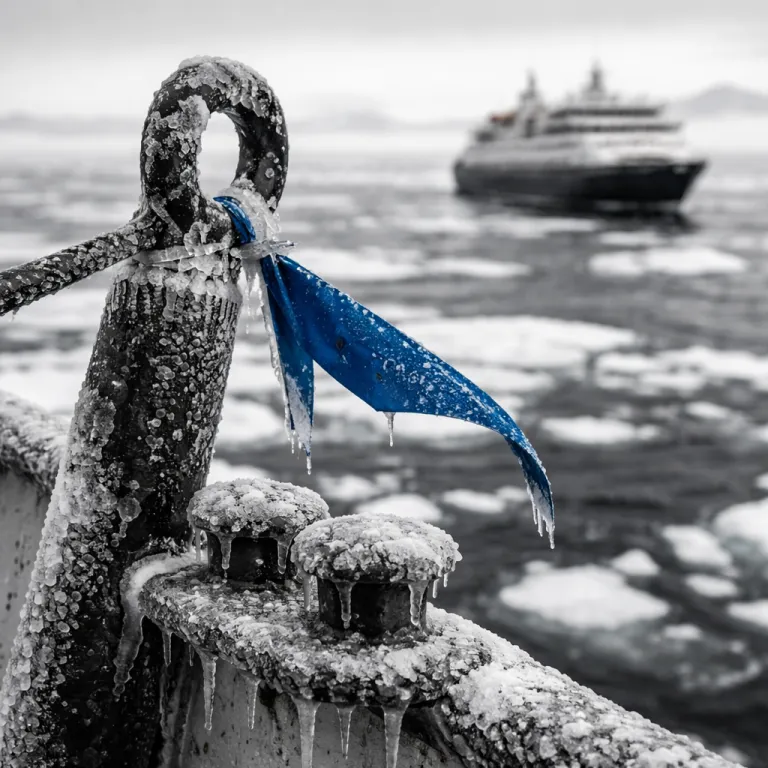
Why the Ross Sea matters more once you have done the Peninsula
You go to the Antarctic Peninsula for drama and immediacy, but you go to the Ross Sea for context and depth. A Ross Sea Antarctic expedition in 2026–27 is where Antarctica stops being a white backdrop for penguins and becomes a living archive of polar ambition, science, and ice. For a traveler who already knows the south polar light from a Peninsula cruise, this sea region feels less like a scenic detour and more like the missing chapter.
This is the Antarctica where Scott and Shackleton wintered, where the Ross Ice Shelf rises like a frozen city wall and where historic huts still hold tins, bunks, and boots in the dry cold. The 2026–27 Ross Sea season traces that shoreline, using ship-based exploration, Zodiac excursions, and sometimes helicopter flights to reach places that were off limits to tourism for more than a decade. You are not just on an expedition; you are moving through the original map of polar exploration, with an expedition team that reads the ice as fluently as you read a balance sheet.
Expect fewer ships, fewer people, and more time with the landscape, because limited availability is built into the geography and the logistics. According to IAATO summaries, only a small fraction of Antarctic voyages reach the Ross Sea each year, which underlines how rare each voyage actually is. For someone used to the relative bustle of South Shetland landings and busy cruises along the Antarctic Peninsula, the Ross Sea feels almost private, a polar expedition where silence is part of the service.
Itineraries on the table: three serious ways to reach the Ross Sea
The Ross Sea Antarctic expedition 2026–27 season finally brings three credible itineraries back into play for discerning travelers. Aurora Expeditions leads with its long-form Antarctic Odyssey voyage and a focused East Antarctica and Ross Sea itinerary, both built around the new Douglas Mawson as a serious polar platform. In parallel, Le Commandant Charcot offers a hybrid electric Unexplored Antarctica voyage that pushes deep into the sea ice while maintaining a refined onboard experience.
These expeditions are not quick cruises; durations run from just over three weeks to more than a month, with the longest itineraries approaching the upper end of the roughly 10 to 30+ day range often cited for Antarctic voyages. Departures cluster between Dec and late austral summer, when the sea ice retreats enough to allow access to the Ross Sea and nearby islands such as Macquarie Island or the remote South Shetland chain. Instead of sailing from South America, most voyages depart from Invercargill, Bluff, or Hobart, which changes your flight planning and pre-cruise logistics entirely compared with classic Ushuaia-based cruises.
If you are used to flying from Chile to Antarctica or boarding a Peninsula cruise from Ushuaia, this shift south and west is significant. Planning your refined ways to reach the white continent now means weighing long-haul routes into New Zealand or Tasmania rather than a simple hop to Patagonia. That extra travel time is part of the Ross Sea equation, and it reinforces why this deeper-south expedition experience suits travelers who already know what a shorter polar voyage feels like and are ready to invest more time and attention.
Ships that can actually work the ice: Douglas Mawson and Le Commandant Charcot
Hardware matters in the Ross Sea, because this is not a gentle Antarctic Peninsula loop with predictable landings and sheltered channels. The Douglas Mawson, sailing for Aurora Expeditions, is designed as a modern polar expedition ship with an expedition team that has spent years on vessels like Greg Mortimer, refining how to move guests safely through ice and weather. Le Commandant Charcot, by contrast, is a hybrid electric icebreaker that treats the Ross Sea Antarctic expedition 2026–27 as both a scientific platform and a high comfort voyage.
On Douglas Mawson, the focus is on efficient operations and time on the ice shelf, with a high ratio of Zodiacs to guests and a culture that prioritizes landings over lingering in the lounge. Suites and balcony stateroom categories are comfortable rather than ostentatious, with enough space for serious gear and a layout that works when you come back from a long Zodiac run to Cape Hallett or a windswept landing near historic huts. The ship is expected to carry around 150 guests in 2026–27, based on current operator guidance, and pricing typically starts in the mid five-figure USD range per person, with fares quoted as a clear USD per person structure and supplements for single occupancy.
Le Commandant Charcot positions itself differently, with larger suite options, more elaborate spa and wellness spaces, and a service style that feels closer to a high-end cruise than a stripped-back expedition. As Ponant notes in its official materials, the ship is designed to offer “the comfort of a luxury vessel with the capabilities of a polar research platform.” That does not mean it is less capable in the sea ice; its ice class and propulsion allow it to push deeper into the Ross Sea and linger near the ice shelf edge when conditions permit. For some travelers, the choice between these cruises comes down to whether you want every day to feel like a working polar expedition or whether you prefer a softer landing after hours spent watching emperor penguins and other wildlife from the deck.
For those tracking pricing windows and value, it is worth watching specialist polar offers and flash sales that sometimes touch these long voyages. A good example is how polar pricing windows are dissected in analyses of what to book before seasonal deadlines, which helps frame whether a Ross Sea voyage sits at the top of your polar portfolio or waits one more season. Either way, this remote sea region is not the place to chase a bargain; it is where you pay for capability, ice experience, and the right ship in the right sea region.
Time, wildlife, and what you trade when you leave the Peninsula behind
Committing to the Ross Sea Antarctic expedition 2026–27 means accepting that time is your most valuable currency. These expeditions run long because the distances are vast, the sea ice unpredictable, and the weather over the south polar ocean rarely cooperative. You are signing up for a voyage where the days at sea are part of the experience, not a transfer between postcard stops.
In exchange, you gain a different wildlife calendar from the Antarctic Peninsula, with fewer dense penguin highways but more nuanced encounters. Emperor penguins are the headline species for many Ross Sea expeditions, yet sightings are never guaranteed and depend on ice conditions, landing permissions, and the judgment of the expedition team on the day. As one operator summary puts it without embellishment, “Penguins, seals, whales, and seabirds.”
That understated list hides a lot of nuance, from Adélie penguins on remote islands to Weddell seals hauled out on fast ice near the ice shelf edge. You will not walk through the same crowded colonies you remember from South Shetland or South Georgia landings, but you may watch a single emperor penguin cross a pressure ridge in complete silence. As one repeat guest described it, “It felt less like wildlife watching and more like being allowed to witness a private moment.” For many travelers, that shift from spectacle to intimacy is the real luxury, and it pairs well with evenings spent on deck watching the aurora play over the south polar sky or reading about historic expeditions while the ship eases through loose sea ice.
Because these voyages push so far south, the aurora australis often becomes part of the narrative, especially on clear nights away from cloud and moonlight. If you are the sort of traveler who has already chased the northern lights and knows where to witness the best place to see the aurora borealis in the world, the southern counterpart adds symmetry to your polar story. Just remember that in this latitude, weather and daylight can conspire against even the best laid aurora plans, so treat any display as a gift rather than a line item on your cruise checklist.
Money, booking strategy, and how to secure a place in the Ross Sea
Financially, the Ross Sea Antarctic expedition 2026–27 sits at the top end of the polar market, and it should. Long durations, complex logistics, and advanced ships mean that even entry-level cabins often start in the tens of thousands of USD per person, with suites and balcony stateroom categories climbing sharply from there. When you see a fare listed as a specific USD per person rate, remember that it usually excludes flights, some gear, and optional activities such as helicopter flights where offered.
Booking strategy needs to be as disciplined as your investment planning, because limited availability is real rather than a marketing line. Many Douglas Mawson departures already operate with waitlists, and single supplements can be substantial, especially on longer expeditions that include side trips to Macquarie Island or extended time in the Ross Sea region. Operators such as Aurora Expeditions, Heritage Expeditions, and Scenic all encourage guests to request a quote early, lock in a cabin category, and understand deposit and cancellation structures before committing to a specific expedition Antarctica itinerary.
For a business leisure traveler used to quick decisions, this slower, more deliberate process can feel unfamiliar, but it pays off in clarity and control. You should expect staged payments, with an initial deposit at booking and a final balance due several months before the Dec to Feb sailing window, and you should read the fine print on medical requirements and age restrictions, which vary by operator. As one booking guideline puts it, “Are there age restrictions? Varies by operator; check specific guidelines.”
One final point of realism; this is not a first polar expedition, and it should not be. The Ross Sea rewards travelers who already understand how they respond to long sea days, who know what they need from a suite or cabin layout, and who have already tested their appetite for cold, wind, and the quiet intensity of Antarctic landscapes. If the Peninsula was your apprenticeship in polar travel, the Ross Sea is where you step into the deeper south, fully aware of what you are gaining and exactly what you are leaving behind.
FAQ
When is the best time to join a Ross Sea expedition
The operational window for a Ross Sea Antarctic expedition typically runs from Dec through late austral summer, when sea ice retreats enough to allow safe navigation. Within that period, mid-season departures often offer a balance of access to the ice shelf, workable weather, and wildlife activity. Early voyages may feature more dramatic ice, while later cruises can reach farther south but risk more variable conditions.
What wildlife can I realistically expect to see in the Ross Sea
Wildlife encounters in the Ross Sea focus on penguins, seals, whales, and seabirds rather than dense colonies at every landing. Many travelers hope to see emperor penguins, Adélie penguins, and Weddell seals on the ice, alongside various whale species in open water. Sightings always depend on ice, weather, and the judgment of the expedition team, so flexibility is essential.
How long are Ross Sea voyages compared with Peninsula cruises
Ross Sea voyages are significantly longer than most Antarctic Peninsula cruises, which often run 10 to 14 days. Itineraries into the Ross Sea commonly range from just over three weeks to more than a month at sea. That extended duration reflects the distance from gateway ports, the need to work around sea ice, and the desire to include remote sites such as Cape Hallett or Macquarie Island.
Do I need previous polar experience before booking a Ross Sea voyage
Previous polar experience is strongly recommended, because the Ross Sea is remote, weather-exposed, and logistically demanding. Travelers who have already completed a Peninsula cruise or another polar expedition generally cope better with long sea days, variable landing schedules, and the physical demands of Zodiac operations. Operators often design Ross Sea itineraries with repeat guests in mind, assuming a baseline familiarity with Antarctic conditions.
Which operators are considered credible for Ross Sea expeditions
Aurora Expeditions, Heritage Expeditions, and Scenic are among the established operators offering Ross Sea itineraries, each using ice-strengthened ships and experienced polar équipes. Aurora Expeditions deploys the Douglas Mawson and has a track record with vessels like Greg Mortimer, while other lines use ships such as Le Commandant Charcot for hybrid electric operations. When evaluating options, look at ship capability, expedition team depth, and how many previous expeditions each operator has run in the Ross Sea region.
