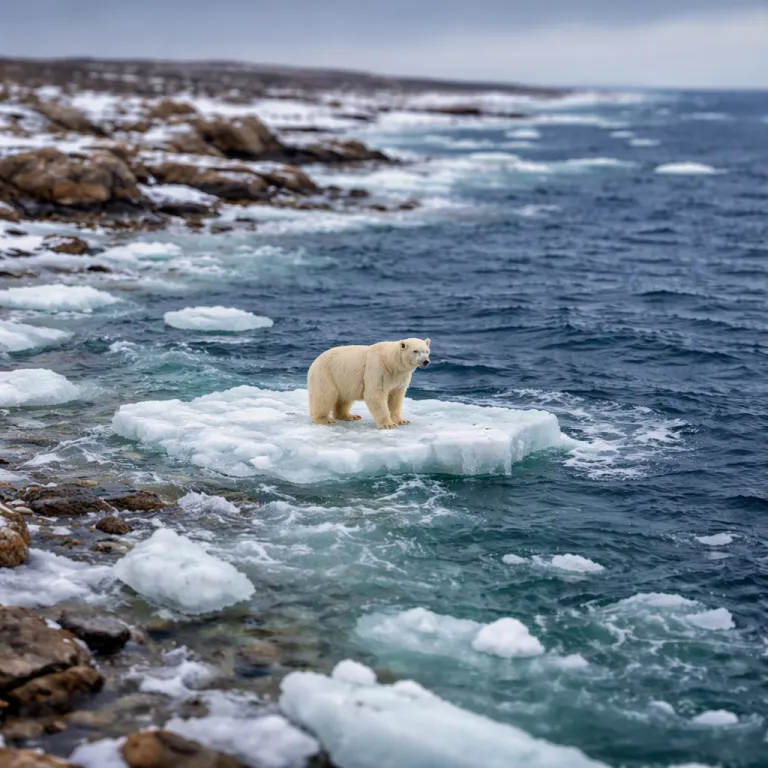
Understanding where polar bears live in Canada
Many travellers ask are polar bears in Canada, and the answer is emphatically yes. Canada holds most of the global polar bear population, and this immense responsibility shapes every serious Arctic itinerary. When you plan a journey focused on polar bears, you also engage with the wider Arctic wildlife, fragile sea ice, and remote northern communities.
Across the Canadian Arctic, polar bears roam a mosaic of sea ice, coastal tundra, and island archipelagos. Scientists and local experts estimate that bears in Canada represent roughly two thirds of the global population, spread across several bear subpopulations with distinct behaviours. These bear subpopulations are managed through cooperative wildlife management frameworks that involve Indigenous communities, territorial agencies, and the federal Canadian government.
Travellers most often encounter polar bears along Hudson Bay, Baffin Island, and in the Northwest Territories. The western Hudson coastline near Churchill in Manitoba is especially renowned, where the flat tundra meets the frozen bay and creates ideal bear viewing conditions. When you ask are polar bears in Canada, Churchill is usually the first destination mentioned, but it is only one part of a vast Canada polar range.
Beyond Manitoba, the Arctic islands and northern mainland host additional polar bear strongholds. Remote regions of Nunavut, the Northwest Territories, and the high Arctic islands support bears that rely heavily on seasonal sea ice for hunting. Understanding how each bay, island, and stretch of sea ice supports different bear subpopulations will help you choose the best time and place for a responsible journey.
Churchill, Manitoba and the western Hudson Bay bears
When travellers research are polar bears in Canada, Churchill in Manitoba quickly emerges as a focal point. This small, remote town on western Hudson Bay has become synonymous with churchill polar experiences and carefully managed bear tours. Its location on the migration route between summer tundra habitat and winter sea ice makes it one of the best places for bear viewing anywhere in Canada.
Each autumn, polar bears gather along the shore of Hudson Bay waiting for the sea ice to form. This seasonal congregation near Churchill Manitoba allows visitors to see multiple polar bears in a relatively compact area, while remaining inside specialised tundra vehicles or designated viewing zones. Operators work closely with wildlife management authorities to minimise disturbance and keep both bears and guests safe.
Churchill offers more than polar bear encounters, and its Arctic setting rewards patient travellers. During the darker months, the northern lights often shimmer above the frozen bay, adding another layer of drama to the landscape. In summer, beluga whales gather in the Churchill River estuary, creating opportunities to combine marine wildlife encounters with bear-focused itineraries.
Because churchill polar tourism is so prominent, demand for bear tours is high and space is limited. Planning well ahead will secure the best guides, vehicles, and lodges, especially during the peak weeks when the western Hudson Bay freeze up begins. For travellers interested in broader Arctic ecology, local experts can also interpret birdlife, coastal geology, and even regional avifauna through resources such as specialised Arctic birding guidance.
Beyond Churchill: Baffin Island, Northwest Territories and other regions
While Churchill dominates many conversations about are polar bears in Canada, serious wildlife travellers should look beyond western Hudson Bay. Vast stretches of Arctic coastline, remote islands, and northern peninsulas also support significant bear subpopulations. These regions often feel wilder and more isolated, with fewer visitors and more logistical complexity.
Baffin Island in Nunavut is a prime example, where towering cliffs, deep fjords, and drifting sea ice create a dramatic setting for polar bears. Here, the relationship between polar bear, ringed seal, and shifting sea ice is especially visible, and travellers may also encounter beluga whales and other Arctic wildlife. Expedition ships and small aircraft provide access to these remote coasts, where bears Canada travellers must respect strict wildlife management guidelines.
Farther west, the Northwest Territories host additional polar bear habitats along the Beaufort Sea and Arctic islands. These areas are less known to mainstream tourism, yet they offer exceptional opportunities to understand how climate change, sea ice retreat, and coastal erosion affect both bears and local communities. When you ask are polar bears in Canada, these northern regions demonstrate how widely the species ranges across the national park networks and Indigenous territories.
Some itineraries combine polar bear viewing with broader wildlife and landscape themes. You might pair Arctic bear tours with birdwatching, geological excursions, or even comparative journeys that explore southern hemispheric ecosystems through resources like this overview of birds of Patagonia. Such combinations highlight how Canada polar environments fit into a global tapestry of wild coasts, migratory species, and conservation challenges.
Seasonality, sea ice and the best time for bear viewing
Understanding Arctic seasonality is essential when you consider are polar bears in Canada and how to see them responsibly. The annual rhythm of sea ice formation and melt dictates where bears can hunt, travel, and rest throughout the year. As a traveller, your choice of season will determine whether you encounter bears on tundra, along the shore of Hudson Bay, or out on the frozen sea.
In late summer, many polar bears are still on land, conserving energy while they wait for sea ice to return. Along western Hudson Bay and other coasts, they rest on the tundra and occasionally patrol the shoreline, creating limited but meaningful bear viewing opportunities. However, the best time for concentrated sightings near Churchill usually coincides with the period when the bay begins to freeze and bears move toward the forming sea ice.
During this transition, the contrast between white bears, blue ice, and the dark bay polar waters is striking. Specialist guides track bear movements daily, adjusting routes to respect wildlife management protocols and avoid stressing individual bears. In some regions, national park regulations further restrict access, ensuring that the annual congregation of polar bears remains sustainable for both the population and the local tourism economy.
Climate change is altering the timing and extent of sea ice, which directly affects when and where bears can hunt seals. Shorter ice seasons mean polar bears spend more time on land, potentially increasing human wildlife interactions and changing traditional bear tours. When planning your trip, work with operators who explain how shifting sea ice patterns influence current conditions rather than relying on outdated assumptions about the Arctic calendar.
Conservation, climate change and responsible polar bear tourism
Any serious discussion of are polar bears in Canada must address conservation and climate change. Canada’s wildlife management authorities, Indigenous organisations, and researchers collaborate to monitor bear subpopulations and adapt policies as conditions evolve. Their shared goal is to maintain healthy polar bear numbers while supporting northern livelihoods and cultural traditions.
Canada is home to about 16,000 polar bears, approximately two-thirds of the global population. This figure underscores how central Canada polar habitats are to the species’ future, especially as sea ice declines across the Arctic. Climate change reducing sea ice is already influencing hunting success, body condition, and the time bears spend near communities along Hudson Bay and other coasts.
Responsible tourism can contribute positively when it respects local guidance and supports conservation initiatives. Reputable bear tours operate under strict safety rules, avoid feeding or approaching bears, and coordinate with wildlife management boards on viewing protocols. Many also invest in community projects, research partnerships, or educational programs that explain how polar bears function as indicators of Arctic ecosystem health.
Travellers should ask operators how they minimise disturbance, manage waste, and handle unexpected bear encounters. Choosing companies that prioritise low impact logistics, fair local employment, and transparent environmental policies will help ensure that the annual spectacle of bears on sea ice remains viable. In this way, your personal answer to are polar bears in Canada becomes part of a broader story about climate resilience, cultural continuity, and long term Arctic stewardship.
Planning your trip: logistics, safety and ethical choices
Transforming the question are polar bears in Canada into a well planned journey requires careful logistics. Remote Arctic towns and coastal communities have limited infrastructure, and flights, permits, and guided excursions often sell out months in advance. Begin by clarifying whether you prefer the relative accessibility of Churchill or the deeper remoteness of Baffin Island, the Northwest Territories, or other Hudson Bay settlements.
When budgeting, remember that operating in remote Arctic environments carries significant costs. Aircraft, ice capable vessels, and specialised tundra vehicles must be maintained to high safety standards, and these realities are reflected in trip prices. Using a credit card with strong travel protection can help manage deposits and final payments, especially for itineraries that hinge on weather dependent flights or sea ice conditions.
Safety protocols are non negotiable in polar bear country, where an apex predator can appear suddenly from behind a pressure ridge or along a bay shoreline. Guides carry deterrents, maintain strict distances, and brief guests thoroughly on behaviour in bear territory, whether on tundra hikes or during sea ice excursions. Ethical operators will also explain why certain areas are off limits, how national park rules apply, and when changing conditions require itinerary adjustments.
Many travellers combine polar bear viewing with other Arctic themes, such as northern lights photography, beluga whales, or cultural visits. You might also explore related topics like the role of Arctic fox fur in traditional clothing through resources such as this analysis of Arctic fox fur in polar travel. Thoughtful planning will ensure that your encounter with polar bears in Canada respects both the wildlife and the communities that share their landscape.
Life beyond the ice: broader Arctic wildlife and traveller expectations
As you refine your understanding of are polar bears in Canada, it helps to place them within the wider Arctic ecosystem. Polar bears depend on sea ice to hunt seals, yet they share their environment with foxes, seabirds, whales, and resilient tundra vegetation. Appreciating this broader context will enrich your journey and temper expectations about how many bears you might see at any given time.
Even in renowned areas like western Hudson Bay, wildlife encounters remain unpredictable. Some days may bring multiple polar bear sightings along the bay shoreline, while others focus more on Arctic fox tracks, migrating birds, or the subtle colours of the tundra. Patience and flexibility are essential, especially as climate change continues to reshape the timing of freeze up and break up.
Travellers often ask whether summer is a good season for seeing polar bears in Canada. While some bears remain on land during the warmer months, they are generally more dispersed, and dense fog or open water can limit visibility. If your primary goal is intensive bear viewing, the period around the annual formation of sea ice usually offers the best balance between accessibility, safety, and wildlife density.
Ultimately, a journey to see polar bears in Canada is about more than counting individual animals. It is an opportunity to witness a powerful predator navigating a changing environment, guided by centuries of local knowledge and modern wildlife management science. By approaching the experience with humility, curiosity, and respect, you contribute to the long term story of how humans and polar bears share the Arctic.
Key statistics about polar bears in Canada
- Global polar bear population estimated at around 26,000 individuals.
- Approximately 16,000 polar bears live in Canada across multiple regions.
- Canada hosts about 66 percent of the global polar bear population.
Essential questions about seeing polar bears in Canada
Where can I see polar bears in Canada ?
Churchill in Manitoba is widely regarded as the prime location for seeing polar bears in Canada, especially along the western Hudson Bay coast. Additional opportunities exist in parts of Nunavut, Baffin Island, and the Northwest Territories, usually accessed by expedition ship or charter aircraft. In every region, travellers should join guided bear viewing experiences that follow strict safety and wildlife management protocols.
When is the best time to see polar bears in Canada ?
The most reliable period for concentrated polar bear sightings near Churchill typically coincides with the autumn freeze up of Hudson Bay. During these weeks, bears gather along the coast waiting for sea ice to form, which creates excellent viewing conditions from specialised tundra vehicles. In other regions, timing may vary, so it is important to consult local experts about current sea ice patterns and seasonal wildlife movements.
How is Canada protecting polar bears ?
Canada protects polar bears through a combination of regulated hunting, habitat conservation, and long term population monitoring. Federal, provincial, and territorial agencies collaborate with Indigenous organisations and wildlife management boards to set quotas, track bear subpopulations, and respond to climate change impacts. This integrated approach aims to ensure sustainable polar bear populations while supporting northern communities and preserving Arctic biodiversity.
