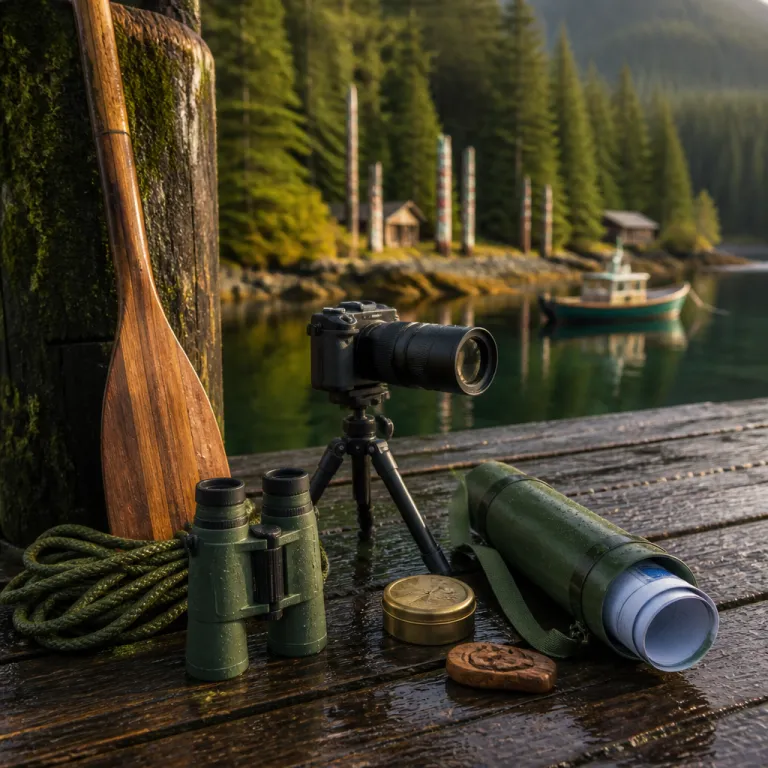
Why Ketchikan belongs on an Arctic and Inside Passage itinerary
Ketchikan sits at the southern gateway to southeast Alaska, where the Inside Passage narrows and mountains plunge straight into the sea. For travelers already drawn to Arctic and Antarctic voyages, this town offers a softer latitude with the same raw elements of water, wind, and wildlife. It becomes a natural pause between polar expeditions, a place to understand coastal cultures that have navigated these northern waters for millennia.
Many expedition cruise ship routes between the Pacific Northwest and the Arctic pass close to Ketchikan, Alaska, making it one of the most convenient places to explore before or after a high latitude voyage. The town’s compact area, framed by forested slopes and a busy harbor, allows you to experience a surprising range of activities in a single day. That balance of accessibility and depth is why seasoned polar travelers often call Ketchikan one of the best stops along the Inside Passage.
If you are planning a longer polar circuit, you can easily pair Ketchikan with Svalbard, Greenland, or Iceland sailings that operate in the same northern season. Many travelers now combine an Inside Passage cruise with a dedicated Arctic expedition, using Ketchikan as a gentle introduction to tidal rhythms, sea kayaking skills, and the logistics of embarking from a small town port. This layered approach turns time in Ketchikan into practical preparation for more remote Arctic Circle destinations.
Creek Street, historic town life, and the rhythm of the tides
Creek Street is the most photographed part of Ketchikan, and with reason. Wooden houses stand on pilings above the creek, and the tide surges beneath them with a steady, almost hypnotic rise and ebb. Walking this historic boardwalk gives you a close view of how a coastal town adapts to constant movement of water and light.
During summer, salmon crowd the creek in astonishing numbers, turning the water into a living, shifting mass. Bald eagles perch on nearby roofs, waiting for their chance, while visitors lean over railings to watch the fishing drama unfold below. If you are used to the stark ice of the Arctic, the density of life in this small area of Ketchikan can feel almost overwhelming.
Guided walking tours in Ketchikan often start or end at Creek Street, weaving stories of Indigenous trade, prohibition-era history, and modern tourism. These tours, led by local experts, typically last one to two hours and are easy to fit into a cruise ship schedule. For travelers who have visited remote Arctic islands such as Jan Mayen, described in depth in this article on a volcanic Arctic island that only a handful of ships reach each year, Creek Street offers a contrasting lesson in how communities thrive when ships arrive daily instead of rarely.
Misty Fjords and Tongass National Forest: a temperate counterpart to polar wilderness
Just east of town lies Misty Fjords National Monument, one of the most dramatic landscapes in southeast Alaska. Sheer granite walls rise more than 900 metres from sea level, streaked with waterfalls and wrapped in low cloud that drifts in and out of view. For anyone who has sailed past Antarctic cliffs or Greenland’s ice-edged fjords, this national monument feels like a temperate echo of polar scenery.
Misty Fjords sits within the vast Tongass National Forest, the largest temperate rainforest in the United States and a crucial landscape for carbon storage and wildlife habitat. Many Alaska tour operators offer half-day and full-day excursions guided by naturalists, using small boats or floatplanes to access narrow inlets and hidden coves. These Ketchikan-based departures often combine a scenic flight with a water landing, giving you two very different perspectives on the same park.
Sea kayaking excursions in this area allow you to feel the scale of the cliffs and the quiet of the forest in a way that mirrors zodiac cruising in the Arctic. On calm days, the water reflects the mountains so perfectly that your kayak seems to float between two worlds. If you are planning a refined polar bear stay in northern Alaska, such as the experience described in this guide to a polar bear stay in Kaktovik, time in Misty Fjords will sharpen your sense of how weather, wildlife, and remoteness shape every decision in high latitude travel.
Totem poles, Indigenous culture, and the meaning of place
Ketchikan is often called the totem capital of the world, and the title is well earned. Around town you will see individual totem poles standing in front of civic buildings, along the waterfront, and in small parks. Each pole tells a story of clan lineage, historical events, or spiritual beliefs, and together they form one of the most important cultural highlights in Ketchikan, Alaska.
To understand these works properly, join tours guided by Tlingit, Haida, or Tsimshian interpreters who can explain the symbolism in detail. Organized Ketchikan tour options include visits to Saxman Native Village and Totem Bight State Historical Park, where restored and newly carved totem poles stand against a backdrop of forest and sea. These sites are managed in cooperation with state and national agencies, including the Alaska Department of Natural Resources, which oversees several state parks in the area.
For travelers used to Arctic expeditions that focus heavily on wildlife, Ketchikan offers a chance to rebalance your understanding of the north toward people and place. Listening to carvers describe how they select cedar from the Tongass National Forest, you gain insight into sustainable use of resources that parallels debates in Arctic communities. This human-centered perspective enriches every later visit you make to national parks or remote settlements across the Arctic Circle.
Wildlife, fishing charters, and life on the water
The waters around Ketchikan are rich with salmon, halibut, and rockfish, making fishing charters one of the most popular tour options in Alaska. Half-day and full-day fishing trips depart directly from the harbor, often timed to match cruise ship schedules. For many visitors, this is their first direct engagement with the marine ecosystems that also sustain Arctic communities further north.
Even if you do not fish, time on the water reveals some of the best experiences Ketchikan can offer wildlife enthusiasts. Bald eagles circle overhead, sea lions haul out on navigation buoys, and humpback whales occasionally surface in the distance. Sea kayaking tours, guided by local outfitters, provide a quieter alternative to motorized excursions, allowing you to hear the subtle sounds of paddles, birds, and breathing whales.
Some operators run amphibious vehicles, often marketed as a Ketchikan duck tour, which move from town streets directly into the harbor for a different style of sightseeing. While these tours are lighthearted, they still provide a useful orientation to the area’s geography and maritime history. If you are calibrating your expectations for more remote Arctic voyages, pay attention to how quickly weather shifts here and how closely all activities are tied to tide tables and daylight.
Planning your day: practical tips for polar minded travelers
Most visitors arrive in Ketchikan by cruise ship, often with only a single day in port. That limited time means you must prioritize the sights and experiences that align with your broader polar travel interests. Start by deciding whether your focus is culture, wilderness, or time on the water, then choose one primary tour and one shorter walkable experience in town.
The Ketchikan Visitors Bureau, which reports around one million annual visitors, recommends booking key tours in advance during the peak season. Their guidance aligns with the practical advice often given for Arctic expeditions, where limited capacity means last-minute spaces are rare. As they note, “May to September offers the best weather.” “Are there guided tours available?” “Yes, various guided tours are offered.” “Is Ketchikan accessible by road?” “No, it’s accessible by air and sea only.” “What wildlife can be seen in Ketchikan?” “Bald eagles, bears, and salmon are common.” “Are there accommodations in Ketchikan?” “Yes, ranging from hotels to B&Bs.”
Wear comfortable walking shoes, expect frequent rain, and remember that this southeast corner of Alaska is a rainforest, not a dry Arctic plateau. If you are combining Ketchikan with a high Arctic voyage, consider reading this detailed guide to peak Arctic departures from Svalbard, Greenland, and Iceland to understand how Inside Passage timing can dovetail with polar seasons. Thoughtful planning turns a short stop in Ketchikan into a coherent chapter in a much larger story of northern travel, linking temperate rainforests, national parks, and polar ice into one continuous journey.
Key figures about Ketchikan and its role in northern travel
- Ketchikan welcomes around 1,000,000 visitors per year, according to the Ketchikan Visitors Bureau (see Ketchikan Visitors Bureau statistics), making it one of the busiest ports in southeast Alaska and a major gateway for Inside Passage and Arctic-bound travelers.
- The town receives approximately 152 inches of rainfall annually, based on National Weather Service data (see NOAA climate normals for Ketchikan), which explains the lush Tongass National Forest surrounding the area and the need for robust rain gear on all tours.
- Most visitors arrive by cruise ship rather than by air, reflecting the fact that Ketchikan is not accessible by road and reinforcing its strategic position on maritime routes that often extend toward higher latitude expeditions.
- The broader region of the Inside Passage, including Ketchikan, hosts a significant proportion of Alaska’s guided tours, from Misty Fjords excursions to fishing charters, which collectively support local employment and sustain year-round tourism infrastructure.
FAQ: planning a Ketchikan stop within a polar focused journey
What is the best time to visit Ketchikan for an Arctic focused itinerary ?
The most favorable period runs from May to September, when weather is milder and most tours operate at full capacity. This window aligns well with many Arctic expedition seasons, allowing you to combine an Inside Passage cruise with higher latitude voyages. Shoulder months at either end of this period can be quieter but may offer fewer daily departures.
Are there enough guided tours for a single day in port ?
Yes, there are numerous tours guided by local operators, ranging from two-hour walking tours to full-day Misty Fjords excursions. Cruise passengers can usually fit one major tour and a shorter town walk into a standard port call. Booking ahead is strongly advised, especially for popular fishing charters and flightseeing trips.
Can I reach Ketchikan by road from other parts of Alaska ?
No, Ketchikan is not connected to the mainland road network, so access is only by air or sea. Most visitors arrive on cruise ships or scheduled ferries that form part of the Inside Passage system. This maritime dependence gives the town a character similar to remote Arctic communities that also rely on ships and planes.
What wildlife am I likely to see during a short visit ?
Common sightings include bald eagles, harbor seals, and several salmon species in season, with occasional views of bears near salmon streams. Marine tours sometimes encounter humpback whales and porpoises in nearby channels. Even a simple walk along Creek Street during the salmon run can reveal intense predator-prey interactions in the creek below.
How does Ketchikan complement a dedicated Arctic or Antarctic voyage ?
Ketchikan offers accessible examples of tidal dynamics, maritime logistics, and Indigenous coastal cultures that help you interpret more remote polar destinations. Experiences in Misty Fjords, Tongass National Forest, and local cultural sites provide a temperate framework for understanding similar themes in the Arctic Circle. Many travelers find that starting or ending their polar journeys here deepens their appreciation of the entire high latitude world.
Trusted references for further planning
- National Park Service – official information on Misty Fjords National Monument and nearby national parks.
- Alaska Department of Natural Resources – details on state parks, forest management, and historical sites in the Ketchikan area.
- Ketchikan Visitors Bureau – up-to-date guidance on tours, events, and practical travel logistics in town.
