Why June and July change the rules of an Arctic expedition cruise
On an Arctic midnight sun expedition cruise in June or July, the clock stops meaning what you think it does. North of the Arctic Circle, the sun stays above the horizon for roughly sixty continuous days, and your sense of morning and night dissolves into one long luminous stretch of possibility. For a solo traveler, that endless light turns every quiet hour into a potential Arctic adventure.
The most intense version of this happens in Svalbard, where Longyearbyen and the wider Svalbard archipelago sit at around 78 degrees north. Here, from about 20 April to 23 August, the midnight sun hangs low over sea ice and snow streaked mountains, painting the high Arctic in soft gold even at two in the morning. On a well designed expedition cruise, the équipe of guides will shift the daily rhythm so that late June days and early July days are built around the best light and the most active wildlife, not an arbitrary dinner sitting.
Operators such as Midnight Sun Zodiac, a specialist tour operator based in Norway, now build entire polar expedition programs around this phenomenon. Their guided trips use Zodiac boat landings, short hikes and wildlife watching sessions to keep you outside when the light is at its most surreal. As they explain to guests, “What is the midnight sun? A natural phenomenon where the sun remains visible at midnight during summer in polar regions.”
For many travelers, Tromsø in northern Norway is the soft entry point into this realm of continuous daylight. The harbor at Tromsø, at roughly 69.6 degrees north, sees the sun remain above the horizon from late May to late July, and local data confirms a full 24 hours of daylight at the height of the season. From here, you can start an expedition cruise north toward Svalbard or west toward Greenland, using the city as a staging ground to adjust your sleep, test your gear and understand what a high Arctic summer really feels like.
Routes that maximise the midnight sun: Svalbard, Greenland and beyond
If your goal is a high latitude voyage under the midnight sun in early summer, route selection matters more than the wine list. Svalbard remains the purest expression of the experience, with north Spitsbergen and the waters around Spitsbergen Svalbard offering near guaranteed midnight sun, extensive sea ice and dense wildlife. A small ship with strong ice class lets you push deeper into the pack, where polar bears patrol floes and the only darkness is the shadow under the hull.
Most high Arctic itineraries start in Longyearbyen, a mining town turned expedition hub that feels purpose built for ship expedition departures. From here, you can sail a loop around north Spitsbergen, or head toward the eastern Svalbard archipelago where exploring Svalbard means threading narrow fjords under cliffs stacked with seabirds. The best operators keep the schedule flexible, using those long June days to time Zodiac cruises for when walruses haul out or when a polar bear appears on a distant ridge, rather than when the brochure says “afternoon outing”.
Greenland offers a different take on the same phenomenon, with sweeping rock landscapes and vast glaciers rather than the compact drama of Svalbard. An expedition along Greenland’s west coast in July gives you midnight sun over mirror calm fjords, with whales surfacing in glassy water and small settlements glowing under a sky that never dims. If you are weighing this against a more classic northwest passage trip later in August, remember that early summer in Svalbard and mid summer in Greenland deliver stronger midnight sun, while late season voyages trade that light for a higher chance of early northern lights.
Solo travelers often ask whether a summer polar voyage in these regions is “real” exploration or just a cruise with parkas. The honest answer depends on the ship and the operator, which is why we favour smaller vessels such as Ocean Explorer class ships that prioritise time off the vessel over spa menus. For a deeper reflection on when polar travel is genuine exploration and when it slides into last chance marketing, read this piece on honest thinking on last chance polar travel before you book.
Midnight landings, wildlife behaviour and the solo advantage
The real magic of a June or July voyage under the midnight sun happens when the expedition leader announces a Zodiac landing at 23:30 and nobody blinks. Under continuous daylight, wildlife ignores the human idea of night, and your days stretch into a seamless series of landings, shipboard briefings and quiet hours on deck. For a solo explorer, this means you can say yes to every late night outing without negotiating with anyone else’s sleep schedule.
On Svalbard voyages, midnight sun landings often focus on wildlife that is most active when the light is low and slanting. You might watch a polar bear patrol the edge of sea ice, or see polar bears in the plural, scattered across floes as the ship expedition threads a careful path between them. Seabird cliffs roar at one in the morning, Arctic foxes hunt under a sun that never sets, and the high Arctic landscapes feel even more otherworldly when your body insists it should be dark.
Greenland’s coast tells a different story under the same sun, with icebergs glowing pastel blue and pink during those endless summer days. In Disko Bay, humpback whales surface beside your small ship while the sun hovers just above the horizon, and the only clue to the hour is the expedition team quietly checking their watches. If you are planning a later northwest passage trip, know that you will trade this kind of pure midnight sun for more variable light, but you may gain a higher chance of early season northern lights if you push into late August.
Ethically, the best Arctic expedition operators now work closely with local guides, marine biologists and communities to minimise disturbance. Midnight Sun Zodiac, for example, uses eco friendly equipment and keeps wildlife watching distances conservative, even when guests are eager for the perfect shot. Their programs out of Tromsø and other Norwegian ports are designed to support local economies while giving travelers a clear sense of how fragile this polar realm really is, and why sustainable choices on a summer Arctic expedition matter more than ever.
For a sense of how the polar summer season is evolving, and which new small ship options are worth your attention, look at this guide to new polar ships and routes before June. It will help you separate serious expedition cruise offerings from generic cruise products that simply dip a toe into the Arctic circle without committing to real time on the ice.
Living in daylight: sleep, gear and photography under the midnight sun
Continuous light is exhilarating on a high Arctic voyage in early summer, but it can also be disorienting. Your body expects darkness to signal sleep, and in the high Arctic that cue never arrives, so you need to manage your own rhythm deliberately. Solo travelers often adapt faster, because they can set their own patterns without worrying about a companion’s habits.
Start with simple sleep hygiene: bring a high quality eye mask, ask for the darkest cabin available and keep a consistent wind down routine even when the expedition team offers a midnight Zodiac cruise. Many travelers find that short naps between landings work better than trying to maintain a strict eight hour block, especially on Svalbard itineraries where the most interesting wildlife activity may happen at unconventional times. Remember that in Tromsø and other Norwegian ports, the sun can remain visible for a full 24 hours at the height of the season, so practice using your eye mask and blackout curtains before your trip.
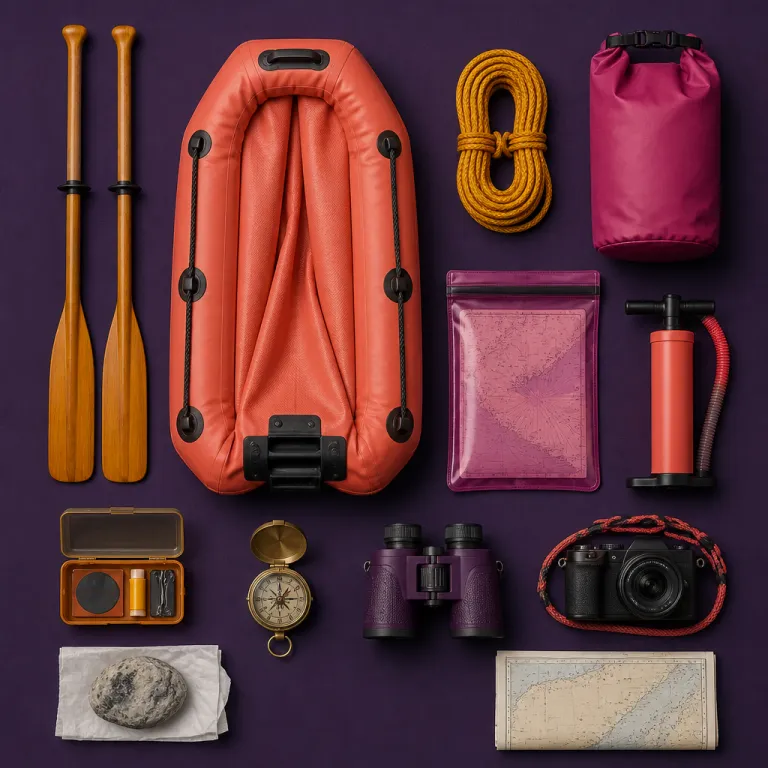
Gear choices matter more than you think under the midnight sun. Pack layered clothing for rapidly changing temperatures, waterproof outerwear for Zodiac rides and high SPF sunscreen, because the sun reflects off sea ice and snow even at night. Binoculars are essential for spotting wildlife such as polar bears at a distance, and a camera with manual settings lets you handle the strange mix of bright light and low contrast that defines early summer days in the high Arctic.
Photographers often talk about golden hour, but in Svalbard and Greenland that warm light can last for many hours on end. On a June or July expedition, you will shoot under a sun that circles the horizon, so experiment with lower ISO, slightly underexposed settings and a lens hood to manage flare. If you are planning time in Iceland before or after your cruise, use this guide to where to stay in Iceland for an unforgettable northern escape to position yourself near good coastal viewpoints, then keep practicing those long daylight techniques.
Finally, remember that the midnight sun is seasonal. While June and July bring endless light to Svalbard, Greenland and the wider Arctic circle, late August begins the slow return of darkness and with it the first hints of northern lights. Choosing a high summer expedition means committing to light over aurora, to long days over cosy nights, and to a version of the polar regions where darkness truly never arrives.
FAQ: Arctic midnight sun expedition cruise June July
What is the midnight sun and where can I experience it best?
The midnight sun is a natural phenomenon where the sun remains visible at midnight during summer in polar regions, and the most intense experiences are north of the Arctic circle in places such as Svalbard, Greenland and coastal Norway. Svalbard, including north Spitsbergen and the wider Svalbard archipelago, offers continuous daylight from about 20 April to 23 August, making it ideal for an Arctic expedition focused on late night landings. Tromsø and other northern Norwegian ports provide a softer version of the same effect, with easier access and strong infrastructure.
When can I experience the midnight sun in Tromsø and Svalbard?
In Tromsø, the sun stays above the horizon from late May to late July, giving you roughly two months of continuous daylight. Svalbard, including Longyearbyen and Spitsbergen Svalbard, enjoys an even longer season, with the midnight sun typically running from about 20 April into late August. For an early summer voyage in June or July, both regions are in peak light, with the strongest effect around the solstice period.
Is it safe to travel during the midnight sun period on an expedition cruise?
Travel during the midnight sun season is generally safe when you join a reputable expedition cruise that uses experienced guides, proper safety gear and well maintained small ships. Operators such as Midnight Sun Zodiac work with local guides and marine biologists, use eco friendly equipment and follow strict wildlife viewing protocols to protect both guests and animals. The main risks are environmental, such as cold water and sea ice, which are managed through careful route planning and Zodiac operations.
How does 24 hour daylight affect sleep and daily routines on board?
Continuous daylight can disrupt your circadian rhythm, so most travelers need to be intentional about sleep on a high Arctic expedition in early summer. Expedition teams usually schedule briefings and meals at consistent times, but late night landings and wildlife sightings can tempt you to stay awake longer than usual. Using an eye mask, keeping a regular wind down routine and accepting shorter, more flexible sleep blocks help most guests adapt within a few days.
Will I see northern lights on an Arctic midnight sun expedition cruise June July?
During June and July in the high Arctic, the sky is too bright for northern lights, even though you are well within the auroral zone. If seeing aurora is a priority, consider a later season voyage in late August or early autumn, when darkness returns and the first displays become visible. For pure midnight sun, wildlife activity and long photography days, however, an Arctic midnight sun expedition cruise June July remains the stronger choice.