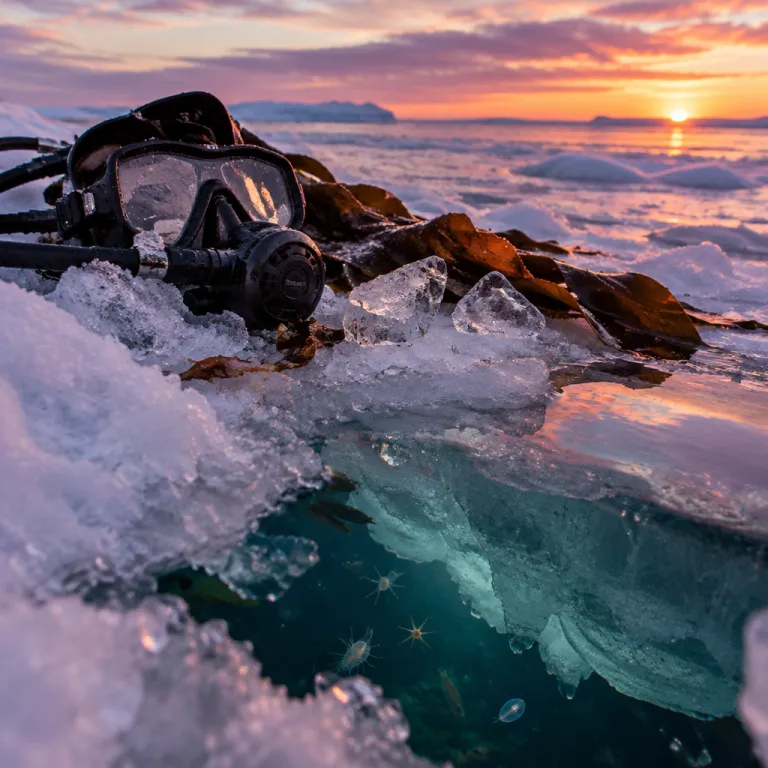
Polar scuba in context: why this is not just another shore excursion
Polar scuba diving in Antarctica and the Arctic sits in a strange space between expedition science and high end adventure travel. On a typical polar diving voyage to the Antarctic Peninsula or Arctic fjords, only a small group of certified divers trade zodiac landings for immersion beneath the ice while most passengers stay topside. Understanding that trade off is the first step in deciding whether cold water diving in the polar regions is genuinely for you or whether the deck rail and camera are the better match.
On an Antarctica expedition ship, the diving programme usually runs parallel to the main excursions, which means every immersion you join is a shore landing you skip on the Antarctic Peninsula or in the Weddell Sea. The expedition team will brief all passengers on the day’s options, but divers commit to a different rhythm of days, gearing up in a dry suit while others board zodiacs for penguin colonies or pack ice cruising. That rhythm shapes your entire voyage, from wake up calls to how you experience the polar regions and their wildlife.
In the Arctic, itineraries that include scuba often focus on fjords and sheltered bays rather than the open sea, and the same tension exists between underwater time and time at the rail watching whales. A polar scuba programme is not an add on; it is a parallel track that quietly redefines your days on board. You will feel that most clearly when a rare polar bear appears near the Arctic Circle and you are already zipped into a twin layer undergarment, committed to the dive instead of the deck.
What polar scuba actually feels like: short, cold, and intensely focused
The marketing images suggest cathedral like ice caves and endless visibility, yet real diving in Antarctica or in the high Arctic is usually shallower, shorter, and more workmanlike. Operators such as Aurora Expeditions and Oceanwide Expeditions typically plan dives in the 6 to 20 metre range, with bottom times of about 20 to 35 minutes in genuinely cold water that seeps into every gap in your thermal system. You will surface with hands that ache, a face that burns, and a mind that is still replaying the way the light fractured through the ice ceiling above.
Under the Antarctic Circle or near the Antarctic Peninsula, marine life is subtle rather than cinematic, with kelp forests, starfish, soft corals, and the occasional seal cutting through the green blue water. In the Arctic, divers often report similar marine life, but framed by different geology and sometimes more suspended particles in the sea, which can reduce visibility even as the ice overhead glows. Either way, polar diving is about noticing small details on the seabed and the underside of pack ice rather than chasing big animals on every dive.
On some voyages, the expedition team will schedule two dives per day for qualified divers, but weather, ice, and logistics often cut that ambition back. Published trip reports from IAATO member operators show that strong winds, drifting ice, or limited daylight can halve the planned number of immersions. Your dive guides balance safety, daylight, and the needs of non diving passengers, so flexibility is essential when the captain announces a changed departure time or a cancelled landing. If you are chasing maximum underwater minutes, a dedicated cold water destination closer to home may serve you better than a long haul polar expedition cruise with a small dive component.
For travellers weighing cost against experience, it is worth reading about repositioning voyages and hidden expedition deals before committing to a premium diving supplement, and a detailed guide to repositioning voyages and empty cabins in polar seasons can help you understand where value really lives. Those sailings may not always carry a full scuba diving programme, but they illustrate how voyage structure, sea days, and passenger mix shape what is realistically possible underwater. Matching your expectations to the actual rhythm of the ship is as important as choosing between Antarctica and the Arctic on a map.
Who polar diving is really for: training, mindset, and risk tolerance
Polar scuba programmes in Antarctica and the Arctic are built for divers who already feel at home in a dry suit and in challenging conditions. Operators typically require advanced certification, documented cold water experience, and recent logged dives, and they will often turn away guests who cannot show that history. This is not gatekeeping; it is a recognition that under ice or near ice diving is unforgiving when something goes wrong.
Under the ice, there is no direct ascent, and even in open water near the pack ice, surface conditions can change quickly with wind and swell. That is why experienced expedition team leaders insist that divers arrive with their own well fitting dry suit and regulators rated for cold water, rather than relying on whatever is provided on board. The best dive guides treat every immersion as a technical operation, with safety lines, surface support, and strict limits on time and depth.
From the scientific side, the same standards apply, and one training programme notes that recent under ice work took place on a frozen lake near Kilpisjärvi in Arctic Finland, with ice thickness around 80 centimetres and dives limited to about 8 metres. Those conditions mirror what many extreme recreational divers will encounter on an Antarctica expedition or Arctic voyage, even if the scenery feels more remote and the passengers more international. The shared lesson is simple; polar regions reward divers who respect the environment, their own limits, and the reality that “How dangerous is it? High risk: cold, regulator freeze, navigation under ice”.
For travellers who like the idea of remote landscapes but not the overhead environment, there are other ways to feel the polar circle in your bones. Long hikes on sea ice fringed coasts, for example, can be just as intense as a dive, and resources such as this guide to responsible expedition travel in the polar regions show how to engage deeply without a cylinder on your back. The key is choosing the activity that matches your skills rather than the one that looks most dramatic on social media.
Logistics on board: gear, baggage, and the quiet cost of every immersion
Once you commit to diving Antarctic or Arctic waters, the practicalities start to matter as much as the dream. A full polar diving kit means a dry suit, thick undergarments, redundant regulators, and often a dedicated bag for fins, mask, and accessories, and that weight quickly runs into excess baggage territory on long haul flights. Some operators offer rental gear, but serious divers usually prefer their own equipment, accepting the extra charges and the hassle of moving twin gear bags through airports.
On board, the expedition team will provide a dedicated dive area, usually near the stern, where cylinders, weights, and compressors live, and where divers brief and debrief away from the main passenger flow. That separation is practical, but it also creates a subculture within the voyage, with divers sharing stories of marine life and ice formations while other passengers talk about shore excursions and wildlife sightings. You will feel that divide most on days when a rare whale appears off the bow while you are still peeling yourself out of a dry suit after a demanding dive.
Time is another hidden cost, because gearing up for a polar immersion can take as long as the dive itself. On a busy Antarctica expedition schedule, that preparation eats into meals, lectures, and casual time on deck, and some divers find themselves skipping evening briefings simply to rest and warm up. For solo travellers who value the social side of polar voyages, it is worth asking whether the intensity of diving polar waters will enhance or narrow the experience you came for.
If you are drawn more to long walks on volcanic shorelines or glacier viewpoints, a land focused trip such as an Iceland hiking itinerary may be a better fit, and resources like this Arctic minded guide to the best hikes in Iceland show how rich non diving polar travel can be. Either way, the decision should start with how you want to spend your days, not with a brochure image of a lone diver beneath the ice. Honest self assessment beats any marketing promise when the water temperature hovers just above freezing.
Science, ethics, and choosing your own polar underwater narrative
Behind every recreational polar scuba programme sits a quieter world of scientific diving that has shaped the safety standards you now take for granted. Marine scientists and Polar Scientific Diving Academy teams have spent years refining methods for working under ice, from surface support protocols to the use of guide lines and freezing resistant regulators. Their work in places like Arctic Finland, where late winter field seasons track ice thinning and benthic communities, underpins the training many expedition dive guides have received.
Those scientific dives are not about spectacle; they are about data, from documenting how marine life adapts to darkness and cold to measuring how fast ice edges retreat. Recreational divers on an Antarctica expedition or Arctic voyage sometimes glimpse that world when a researcher joins the ship as part of the expedition team, sharing images of algae growing on the underside of pack ice or of invertebrates clinging to rocks in the Weddell Sea. In those moments, the line between diving polar waters for personal experience and for planetary understanding feels thinner than the ice itself.
Ethically minded travellers should ask operators how their scuba diving programmes interact with science and conservation, and whether any of the days at sea support research or training. Some voyages invite qualified divers to attend briefings on climate impacts in the polar regions, explaining how under ice observations feed into broader climate models and conservation strategies. That context will not warm your hands during a cold water dive, but it can deepen your sense of why this particular immersion, in this particular corner of the Antarctic or Arctic Circle, matters beyond your logbook.
Is polar scuba for you? A practical self test before you book
Start with your current relationship to cold water, because if your last dive was in the tropics several years ago, a polar scuba trip to Antarctica or the Arctic is not the right next step. You should already be comfortable in a dry suit, with recent dives in near freezing conditions, and ideally some experience in limited visibility or overhead environments. Without that foundation, the combination of ice, logistics, and the psychological weight of being far from help can turn a dream voyage into a stressful exercise.
Next, consider how you like to travel, and whether you prefer to sample many activities or to go deep into one. On a polar voyage, divers inevitably miss some shore excursions, zodiac cruises, and spontaneous wildlife moments, because every dive locks you into a fixed schedule that the expedition team cannot easily change. If you are the kind of traveller who hates missing anything, you may resent the way committing to underwater time narrows your daily options.
Finally, think about why you want to dive beneath the ice at all, and be honest about whether the images in your head come from marketing or from a genuine curiosity about marine life and polar geology. The reality is often green water, modest visibility, and small scale beauty rather than cinematic swim throughs, and the best divers are those who find joy in a single nudibranch on a rock or the way bubbles trace patterns under an ice ceiling. If that sounds like you, and if your training, fitness, and risk tolerance align, then the Antarctic Peninsula, the Weddell Sea, or a sheltered Arctic fjord may well be the right place to write your own, very cold, underwater chapter.
FAQ
Is under ice scuba only for scientists?
No, advanced recreational divers with proper training also participate, but the standards are high and the risks are real. On a polar voyage, only a small subset of passengers will meet the prerequisites for under ice or near ice diving. Always confirm exact requirements with your chosen operator before you book.
What special gear is needed for polar scuba diving?
Dry suits, ice rated regulators, thick thermal undergarments, and robust hoods and gloves are essential for any cold water polar diving programme. You also need a dive computer suitable for near freezing temperatures, and operators will provide cylinders, weights, and surface safety support. Many divers prefer to travel with their own mask and regulators, even if that means paying excess baggage fees.
How dangerous is polar scuba compared with regular cold water diving?
Polar diving adds remoteness, ice, and complex logistics to the usual risks of cold water diving, so the overall risk profile is higher than a local quarry or coastal site. Under ice environments remove the option of a direct ascent, and even open water dives near pack ice can be affected quickly by wind and swell. That is why operators insist on advanced training, recent experience, and strict adherence to expedition team briefings.
How many dives can I expect on an Antarctica or Arctic expedition?
Most programmes aim for one or two dives on selected days, but weather, ice, and operational constraints often reduce that number. You should think of the diving as a series of carefully chosen highlights rather than a high volume liveaboard schedule. When comparing itineraries, ask operators for a realistic range of expected dives rather than a maximum theoretical number.
Will I miss other activities on the ship if I choose to dive?
Yes, divers inevitably miss some shore excursions, zodiac cruises, and spontaneous wildlife encounters, because dive operations run on a fixed timetable. Every immersion requires long preparation and recovery, which overlaps with other passenger activities. Before committing, decide whether you prefer a broad mix of experiences or a focused, underwater centred voyage.