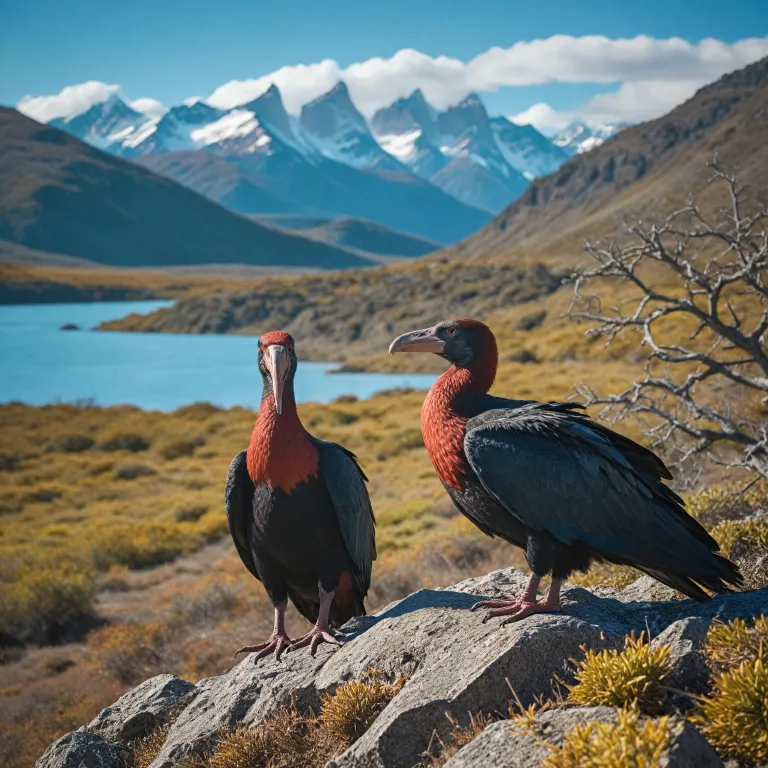
The avian tapestry of Patagonia: habitats and diversity
Patagonia, stretching across southern Argentina and Chile, is a region where the wild landscapes foster an extraordinary variety of birds. The area is home to over 460 bird species, making it a premier destination for bird watching enthusiasts. From the windswept steppes of Tierra del Fuego to the lush forests of Torres del Paine National Park, each habitat supports unique avian communities. The southern reaches, including Tierra del Fuego and the famed Torres del Paine, are particularly rich in endemic and migratory birds. Among the most iconic are the black and white Magellanic penguins, which gather in large colonies along the Atlantic coast. The region’s wetlands and lakes, such as those in Patagonia and near the southern tip of South America, provide critical breeding grounds for species like the critically endangered Hooded Grebe. This medium-sized bird, with its striking black and white plumage, is found only in isolated Patagonian lakes. The diversity of birds Patagonia offers is further enhanced by the presence of the giant petrel, the long tailed sierra finch, and the elusive austral pygmy owl. Each species plays a vital role in the local ecosystem, contributing to the region’s reputation as a wildlife haven. The interplay of climate, geography, and conservation efforts ensures that Patagonia remains a sanctuary for birdlife, attracting ornithologists and travelers alike.Iconic species: from andean condor to magellanic penguin
The birds of Patagonia are as varied as the landscapes they inhabit. The Andean condor, with a wingspan reaching 3.3 meters, soars above the rugged peaks of Torres del Paine and the windswept plains of the region. This majestic bird, the largest flying species in South America, is a symbol of Patagonian wilderness. In the southern coastal areas, the Magellanic penguin is a familiar sight, nesting in burrows and forming bustling colonies. These penguins, with their distinctive black and white markings, are a highlight for anyone interested in wildlife and bird watching Patagonia. The lesser rhea, also known as Darwin’s rhea, is another remarkable resident. This large, flightless bird roams the open grasslands and shrublands, often seen in groups grazing alongside guanacos. The austral pygmy owl, a small but formidable predator, inhabits the forests of Patagonia and Tierra del Fuego. Its dark brown plumage and piercing gaze make it a favorite among bird watchers. The region is also home to the striking rufous tailed ground tyrant and the Patagonian yellow finch, both of which add vibrant color to the landscape. For those exploring Torres del Paine or the remote areas of Tierra del Fuego, encounters with these species are unforgettable. To enhance your experience, consider joining a guided bird watching tour in Torres del Paine National Park, where expert guides can help you spot elusive species and share insights into their behaviors. For more on wildlife encounters in Patagonia, visit Patagonia wildlife tours.Habitats and migration: the role of geography in avian life
Patagonia’s unique geography, from the windswept pampas to the snow-capped peaks of the Andes, shapes the lives of its birds. The region’s wetlands, such as those in the southern area and near Tierra del Fuego, are vital for breeding and feeding. The Hooded Grebe, for example, relies on isolated lakes in southern Patagonia for nesting, making conservation of these habitats crucial. The long tailed sierra finch and the dark brown austral pygmy owl are commonly found in the shrublands and forests of Torres del Paine and Tierra del Fuego. Migration patterns also define the avian calendar in Patagonia. Many species, including the giant petrel and the steamer duck, travel vast distances between breeding and feeding grounds. The southern coastline, especially near Tierra del Fuego, is a critical stopover for migratory birds traveling between South America and Antarctica. Bird watching Patagonia is especially rewarding during the breeding season, when species like the Magellanic penguin and the lesser rhea are most active. The interplay of climate, geography, and seasonal changes creates a dynamic environment for both resident and migratory birds. For a deeper dive into Patagonian habitats and migration, explore our guide to Patagonia’s birding hotspots.Conservation challenges: protecting endangered birds of Patagonia
Despite its remote location, Patagonia faces significant conservation challenges. The critically endangered Hooded Grebe is a poignant example, with its population threatened by habitat loss and introduced predators. Conservation programs, including captive breeding and habitat protection, are underway to prevent its extinction. As highlighted in the expert quote, “Conservation programs have been implemented, including captive breeding and habitat protection, to prevent the extinction of the Hooded Grebe.” The lesser rhea, or Darwin’s rhea, also faces pressures from habitat fragmentation and hunting. Efforts to protect these species involve collaboration between local communities, conservation organizations, and government agencies. The use of technology, such as GPS tracking and camera traps, has improved monitoring of bird populations and helped identify critical habitats. In Torres del Paine National Park, sustainable tourism practices are encouraged to minimize disturbance to wildlife. Bird watching Patagonia can play a positive role in conservation by raising awareness and supporting local economies. The preservation of habitats in Tierra del Fuego, del Paine, and other key areas is essential for maintaining the region’s avian diversity. For those interested in supporting conservation, participating in guided tours and respecting wildlife guidelines are important steps.Birdwatching in Patagonia: practical tips and top locations
Patagonia offers unparalleled opportunities for bird watching, with its vast landscapes and rich avifauna. The best time to visit is during the breeding season, when birds are most active and visible. Engaging local guides enhances the experience, as they possess deep knowledge of the area and its wildlife. Torres del Paine National Park is a premier destination, home to species such as the Andean condor, rufous tailed ground tyrant, and Patagonian yellow finch. The wetlands near Tierra del Fuego and the southern Atlantic coast are ideal for observing Magellanic penguins and steamer ducks. Bird watching Patagonia is not limited to remote areas; even near urban centers, you can spot sierra finches, caracaras, and pygmy owls. Essential equipment includes binoculars, spotting scopes, and field guides tailored to the birds of Patagonia. Respect for wildlife is paramount—maintain a safe distance and avoid disturbing nesting sites. The region’s unpredictable weather requires appropriate clothing and preparation. For those seeking a comprehensive birding adventure, multi-day tours in Torres del Paine or Tierra del Fuego offer access to diverse habitats and expert guidance. Bird watching Patagonia is both a rewarding hobby and a way to contribute to conservation efforts by supporting local communities and raising awareness of the region’s unique avifauna.Unique encounters: rare and endemic birds of southern Patagonia
Southern Patagonia is a treasure trove for bird enthusiasts seeking rare and endemic species. The Hooded Grebe, found only in a handful of isolated lakes, is a highlight for dedicated bird watchers. Its striking black and white coloration and unique courtship displays make it a sought-after sighting. The austral pygmy owl, with its dark brown feathers and diminutive size, is another elusive resident of Patagonian forests. The long tailed sierra finch and the rufous tailed ground tyrant add to the region’s diversity, often spotted in the shrublands and grasslands of Tierra del Fuego and Torres del Paine. The giant petrel, a formidable seabird, patrols the southern coasts and is known for its impressive wingspan and scavenging habits. The lesser rhea, or Darwin’s rhea, is a symbol of the Patagonian steppe, its presence a testament to the region’s wild character. Bird watching Patagonia in these remote areas requires patience and perseverance, but the rewards are unparalleled. Each encounter with a rare or endemic species deepens one’s appreciation for the region’s ecological richness. The preservation of these birds and their habitats is a shared responsibility, ensuring that future generations can experience the wonders of Patagonia’s avian life.Patagonia’s birds in culture and ecotourism
Birds have long held a special place in Patagonian culture, inspiring legends, art, and conservation efforts. The Andean condor, revered by indigenous peoples, symbolizes freedom and endurance. Penguins, particularly the Magellanic penguin, are celebrated in local festivals and attract visitors from around the world. Ecotourism centered on bird watching Patagonia has grown in recent years, providing economic benefits to local communities and funding for conservation initiatives. Torres del Paine National Park and Tierra del Fuego are at the forefront of sustainable tourism, balancing visitor access with the protection of sensitive habitats. Educational programs and guided tours help raise awareness of the importance of preserving the region’s avian diversity. The presence of species such as the austral pygmy owl, Patagonian yellow finch, and giant petrel enriches the cultural and natural heritage of Patagonia. By participating in responsible bird watching and supporting conservation projects, travelers contribute to the long-term survival of the birds Patagonia is famous for. The interplay of wildlife, culture, and ecotourism creates a dynamic and sustainable model for the region’s future.Key statistics on birds of Patagonia
- Number of bird species in Patagonia: 460 species
- Wingspan of Andean Condor: 3.3 meters
- Length of Hooded Grebe: 32 centimeters
Frequently asked questions about birds of Patagonia
What is the largest bird in Patagonia?
The Andean Condor is the largest flying bird in Patagonia, with a wingspan of up to 3.3 meters.
Are there any penguin species in Patagonia?
Yes, the Magellanic Penguin is native to the southern coasts of South America, including Patagonia.
What efforts are being made to conserve the Hooded Grebe?
Conservation programs have been implemented, including captive breeding and habitat protection, to prevent the extinction of the Hooded Grebe.
