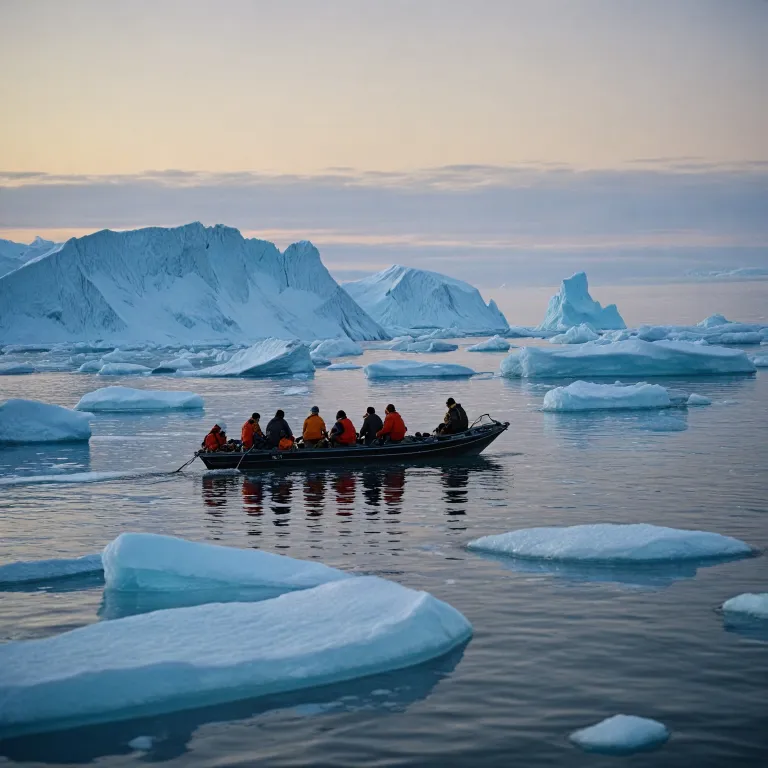
Understanding what to wear whale watching in Arctic and Antarctic regions
Embarking on a whale watching excursion in the Arctic or Antarctic is a remarkable opportunity to observe magnificent creatures such as humpback whales and blue whales in their natural habitat. The weather in these regions is unpredictable, with sudden shifts in wind, temperature, and ocean spray. To ensure a comfortable and memorable whale watching experience, it is vital to know what to wear whale watching and what to bring whale watching. The best approach is to dress whale watching in layers, starting with a moisture-wicking base layer that keeps you dry and warm. Over this, add an insulating layer to trap body heat, followed by a waterproof and windproof outer shell to shield against ocean spray and harsh weather. Closed-toe, non-slip shoes are essential for safety on wet boat decks, especially when boarding a zodiac or moving about on a whale watch vessel. Don’t forget a hat to protect against both sun and cold, and always bring a water bottle to stay hydrated during the whale watching tour. Life vests are provided by reputable whale watching tour operators, ensuring safety as you search for whales. The best whale watching tours often provide additional guidance on what wear whale watching, so consult your operator for specific recommendations.
Layering strategies for warmth and comfort on whale watching tours
Layering is the cornerstone of comfort when preparing for a whale watching excursion in polar waters. Begin with a thermal base layer that wicks moisture away from the skin, keeping you dry as you watch whales breach and dive. The next layer should be an insulating fleece or wool garment, which provides warmth without bulk. The outermost layer must be both waterproof and windproof, protecting you from ocean spray and unpredictable weather conditions encountered during whale watching tours. When considering what to wear whale watching, remember that motion on the boat or zodiac can intensify the chill, especially when traveling at speed or encountering ocean spray. Gloves, a warm hat, and a scarf are invaluable for maintaining body heat, particularly during early morning or late evening tours. Don’t forget to bring whale watching essentials such as a water bottle and sunscreen, even in cold climates, as UV rays reflect off the water. For those prone to motion sickness, it is wise to take anti-nausea medication before boarding, as the motion of the boat can be unpredictable. For more detailed advice on polar travel gear, visit this comprehensive Arctic packing guide.
Essential gear to bring whale watching: from hats to waterproofs
Choosing the right accessories and gear is as important as selecting your main clothing layers. A snug, windproof hat is crucial for warmth, while sunglasses protect your eyes from glare reflecting off the water. Waterproof gloves keep your hands dry during whale watching tours, especially when handling binoculars or cameras to capture the best whale moments. Bring a water bottle to stay hydrated, as the cold can mask dehydration. A small backpack is useful for carrying extra layers, snacks, and personal items. Don’t forget to pack motion sickness remedies if you are sensitive to the boat’s movement. Life vests are provided by tour operators, but check with your provider to confirm. For those joining a zodiac tour, waterproof trousers and jackets are indispensable to shield against ocean spray and wind. The best whale watching experience is achieved when you are comfortable, dry, and able to focus on observing whales rather than worrying about the weather. For more tips on preparing for your adventure, explore our Arctic travel essentials checklist.
Adapting to changing weather and motion on the water
Weather in the Arctic and Antarctic can change rapidly, making adaptability key for a successful whale watching excursion. Dress whale watching in layers that can be easily added or removed as temperatures fluctuate. Waterproof outerwear is essential, as ocean spray and rain are common during whale watching tours. The motion of the boat or zodiac can cause discomfort for some; if you are prone to motion sickness, don’t forget to bring anti-nausea medication and take it before departure. “Can I get seasick during a whale watching tour? Yes, some individuals may experience seasickness; consider taking anti-nausea medication beforehand if you're prone to motion sickness.” This advice from the expert dataset highlights the importance of preparation. Closed-toe, non-slip shoes provide stability on wet decks, while a hat and scarf offer extra protection against wind chill. The best whale watching experience is one where you are prepared for all conditions, allowing you to focus on spotting whales and enjoying the journey.
Safety, comfort, and maximizing your whale watching experience
Safety is paramount on any whale watching tour, particularly in the challenging environments of the Arctic and Antarctic. Life vests are mandatory and provided by all reputable whale watching tour operators. Listen carefully to the safety briefing before boarding the boat or zodiac. The best whale watching tours employ experienced guides who monitor weather and water conditions to ensure a safe and enjoyable outing. “Is whale watching safe for children? Yes, most tours are family-friendly, but it's advisable to check with the tour operator regarding age restrictions and safety measures.” This reassurance from the expert dataset underscores the commitment to safety. Comfortable, layered clothing and waterproof gear allow you to focus on observing whales, from humpback whales to blue whales, without distraction. Don’t forget to bring whale watching essentials such as a water bottle, snacks, and sun protection. The best whale watching experience is achieved when you are well-prepared, comfortable, and attentive to the guidance of your tour operator.
Enhancing your whale watching excursion: tips for observing magnificent creatures
To fully appreciate the majesty of whales, preparation extends beyond clothing. Binoculars enhance your ability to spot whales from a distance, while a camera with a zoom lens allows you to capture unforgettable moments. “Do I need to bring binoculars? While not mandatory, binoculars can enhance your viewing experience by allowing you to see whales from a distance.” This expert advice is particularly relevant in the vast expanses of polar waters. Dress whale watching in layers, bring whale watching essentials, and don’t forget to pack a water bottle and motion sickness remedies. The best whale watching tours often include educational components led by marine biologists, deepening your understanding of whale behavior and the importance of conservation. Whether you are observing blue whales, humpback whales, or other species, the right preparation ensures a comfortable, safe, and enriching whale watching experience.
Key statistics on whale watching in polar regions
- Global whale watching participants annually: 13 million
- Economic impact of whale watching industry: 2 billion USD
Frequently asked questions about what to wear whale watching
What should I wear for a whale watching tour?
Dress in layers with a waterproof and windproof outer layer, wear closed-toe, non-slip shoes, and bring sun protection.
Do I need to bring binoculars?
While not mandatory, binoculars can enhance your viewing experience by allowing you to see whales from a distance.
Can I get seasick during a whale watching tour?
Yes, some individuals may experience seasickness; consider taking anti-nausea medication beforehand if you're prone to motion sickness.
