The unique adaptation of arctic fox fur: Survival in the polar extremes
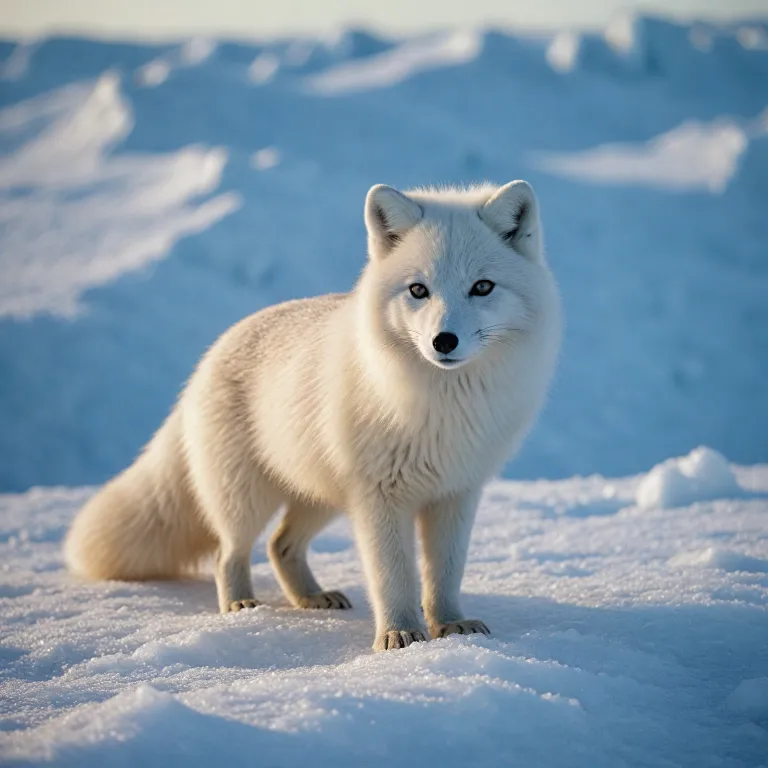
Arctic fox fur stands as a marvel of biological adaptation, enabling the fox to thrive in some of the coldest environments on Earth. The dense undercoat and guard hairs of the arctic fox provide exceptional insulation, with winter fur reaching up to 4.6 centimetres in length and the undercoat measuring 3.8 centimetres. This fur, which is predominantly silky white during the winter, offers both camouflage and warmth, blending seamlessly with the snow and ice. The color of the arctic fox fur changes seasonally, shifting from arctic white in winter to brown or grey in summer, allowing the fox to remain concealed from predators and prey alike.
Fur quality is critical for survival, as the arctic fox must maintain body heat in temperatures that can plunge far below freezing. The percentage of wool in winter fur is remarkably high, at 97%, which enhances its insulating properties. The short, dense hair structure traps air, creating a thermal barrier. This adaptation is not only fascinating from a biological perspective but also has historically influenced the fur trade, with arctic fox pelts prized for their quality and color. The type and color of the fur, including variations such as blue and silver fox, have been sought after, though ethical concerns have led to a decline in demand.
Customer reviews and scientific studies consistently highlight the superior quality of arctic fox fur compared to other types, such as red fox or silver fox. The hides and pelts, often measured in inches, are evaluated for their silky white appearance and the absence of white yellowish or color black patches. The original price and current price of arctic fox furs in the store reflect both rarity and quality, with price sale events occasionally making these pelts more accessible. For those interested in the technical aspects of fur arctic, understanding the nuances of hair length, color, and type is essential for appreciating the true value of arctic fox fur.
Ethical considerations and the evolving fur trade in north america
The use of arctic fox fur in fashion and travel gear has a complex history, particularly in north america where the fur trade once flourished. Historically, fox pelts were highly valued for their warmth and beauty, with the unit price of arctic fox and white fox pelts often exceeding those of other species. However, increased awareness of animal welfare and conservation has led to a significant decline in the fur trade. Many stores now focus on sustainable practices, and customer reviews reflect a growing preference for ethically sourced or alternative materials.
Ethical debates often centre on the sourcing of fox fur, with dyed and natural pelts both under scrutiny. The price current for arctic fox coats and hides is influenced by these ethical considerations, as well as by the quality and color of the fur. Blue and silver fox furs, once popular for their unique hues, are now less commonly found in mainstream stores. The shift in consumer values has also impacted the price sale and original price of fox pelts, with many retailers offering transparency about sourcing and production methods.
For travellers and enthusiasts, understanding the ethical landscape is crucial when considering the purchase of arctic fox fur products. The type and quality of the fur, whether it is arctic white, silky white, or features a white yellowish tint, can affect both the price and the perception of the product. As conservation efforts increase, the availability of high-quality fox pelts and hides has diminished, making each purchase a matter of personal and environmental responsibility. For more information on sustainable travel and ethical wildlife experiences, visit responsible polar travel practices.
Camouflage and color: The science behind arctic fox fur variations
The arctic fox’s ability to change the color of its fur is a remarkable adaptation for survival. In winter, the coat becomes a brilliant arctic white, providing camouflage against snow and ice. During the summer months, the fur shifts to brown or grey, blending with the tundra landscape. This seasonal molting is not only a visual transformation but also a functional one, as the short, dense hair structure adjusts to changing temperatures and environmental conditions.
Color variations in arctic fox fur, such as blue and silver fox, are the result of genetic differences and environmental factors. The presence of white yellowish or color black patches can indicate age or health, affecting the quality and price of the pelt. Dyed furs are sometimes offered in stores to meet specific fashion demands, but natural arctic white and silky white pelts remain the most sought after for their purity and elegance. The unit price and current price of these pelts reflect their rarity and desirability.
Fox pelts are typically measured in inches, with smaller hides often used for accessories and larger pelts reserved for coats. The type of fur, whether from arctic fox, red fox, or silver fox, influences both the quality and the price. Customer reviews frequently mention the luxurious feel and warmth of arctic fox fur, highlighting its superiority over other types. For a deeper exploration of fur color genetics and their impact on the market, see arctic wildlife adaptations.
Practical uses of arctic fox fur in travel and clothing
Arctic fox fur has long been valued for its exceptional insulating properties, making it a preferred material for travel clothing in extreme environments. The dense undercoat and guard hairs provide warmth without excessive bulk, allowing for the creation of lightweight yet effective coats and accessories. The quality of the fur, including its silky white texture and uniform color, is crucial for both functionality and aesthetics.
Travelers venturing into polar regions often seek out arctic fox fur products for their reliability in sub-zero temperatures. The original price and price sale of these items can vary significantly depending on the type, size, and quality of the pelts. Fox pelts, measured in inches, are selected for their softness and durability, with hides from arctic foxes considered among the best. The store price and unit price reflect the craftsmanship involved in transforming raw pelts into finished products.
Customer reviews consistently praise the warmth and comfort provided by arctic fox fur coats and accessories. The short, dense hair structure ensures that heat is retained close to the body, while the natural color variations, from arctic white to blue and silver, offer a range of aesthetic options. For those interested in purchasing high-quality fur arctic products, it is important to consider both the ethical sourcing and the technical specifications of the pelts.
Market trends: Pricing, availability, and customer reviews of arctic fox fur
The market for arctic fox fur has evolved in response to changing consumer preferences and ethical considerations. The original price and current price of arctic fox pelts and coats are influenced by factors such as quality, color, and sourcing practices. Stores often highlight the unique characteristics of each pelt, including the silky white texture, absence of white yellowish or color black patches, and the overall quality of the fur. Price sale events can offer significant discounts, but the unit price remains high for premium pelts.
Customer reviews play a significant role in shaping market trends, with buyers often sharing their experiences regarding the warmth, comfort, and appearance of arctic fox fur products. The type of fur, whether arctic fox, red fox, or silver fox, is frequently mentioned as a key factor in purchasing decisions. Smaller hides and short hair pelts are popular for accessories, while larger pelts are reserved for coats and other substantial garments. The price current for these items reflects both demand and the limited availability of high-quality pelts.
Stores specializing in fur arctic products often provide detailed information about the sourcing and processing of their pelts. The add cart feature on many websites allows customers to compare prices and read reviews before making a purchase. As conservation efforts continue to impact supply, the market for arctic fox fur remains dynamic, with quality and ethical considerations at the forefront of consumer choices.
Conservation, sustainability, and the future of arctic fox fur
Conservation efforts have become increasingly important in the context of arctic fox fur, as populations face challenges from climate change and habitat loss. The declining fur trade, driven by ethical concerns and increased awareness, has contributed to a shift towards sustainable practices. Many stores now prioritize transparency in sourcing, ensuring that fox pelts and hides are obtained responsibly and with minimal impact on wild populations.
The quality and type of fur, including arctic white, blue, and silver fox, are still valued for their unique characteristics, but the focus has shifted towards sustainability. Customer reviews often highlight the importance of ethical sourcing, with buyers seeking assurance that their purchases do not contribute to environmental harm. The price sale and unit price of arctic fox fur products now reflect not only quality but also the commitment to conservation.
As the market adapts to these changes, the availability of high-quality pelts may decrease, making each purchase more significant. The future of arctic fox fur lies in balancing tradition with innovation, ensuring that the beauty and functionality of the fur are preserved without compromising ethical standards. For those interested in the intersection of fashion, travel, and conservation, the story of arctic fox fur offers valuable insights into the evolving relationship between humans and the natural world.
Expert insights: Biological adaptation and the role of arctic fox fur
The arctic fox (Vulpes lagopus) exemplifies the remarkable adaptability of wildlife in extreme environments. Its fur, renowned for its insulating properties and seasonal color changes, is central to its survival strategy. As noted in the dataset, "The dense undercoat and guard hairs trap air, providing insulation." This adaptation enables the arctic fox to maintain body heat and avoid predators through effective camouflage.
The seasonal transformation of the fur, from arctic white in winter to brown or grey in summer, is a direct response to environmental conditions. This biological adaptation not only enhances survival but also influences the quality and appearance of the pelts. The type, color, and quality of the fur are key factors in determining the original price and current price of arctic fox products in the market.
Customer reviews and scientific research underscore the importance of these adaptations, with the arctic fox fur consistently rated highly for its warmth, durability, and aesthetic appeal. The ongoing evolution of the fur trade, coupled with increased conservation efforts, ensures that the legacy of arctic fox fur remains both relevant and respected in the context of polar travel and fashion.
Key statistics on arctic fox fur
- Winter fur length: 4.6 cm
- Undercoat length: 3.8 cm
- Percentage of wool in winter fur: 97%
Frequently asked questions about arctic fox fur
Why does the Arctic fox change fur color?
To blend with seasonal environments for camouflage.
How does the Arctic fox's fur keep it warm?
The dense undercoat and guard hairs trap air, providing insulation.
Is the Arctic fox's fur used in the fur trade?
Historically, yes, but the trade has declined due to ethical concerns.
References: WWF, IUCN, Polar Research Institute
