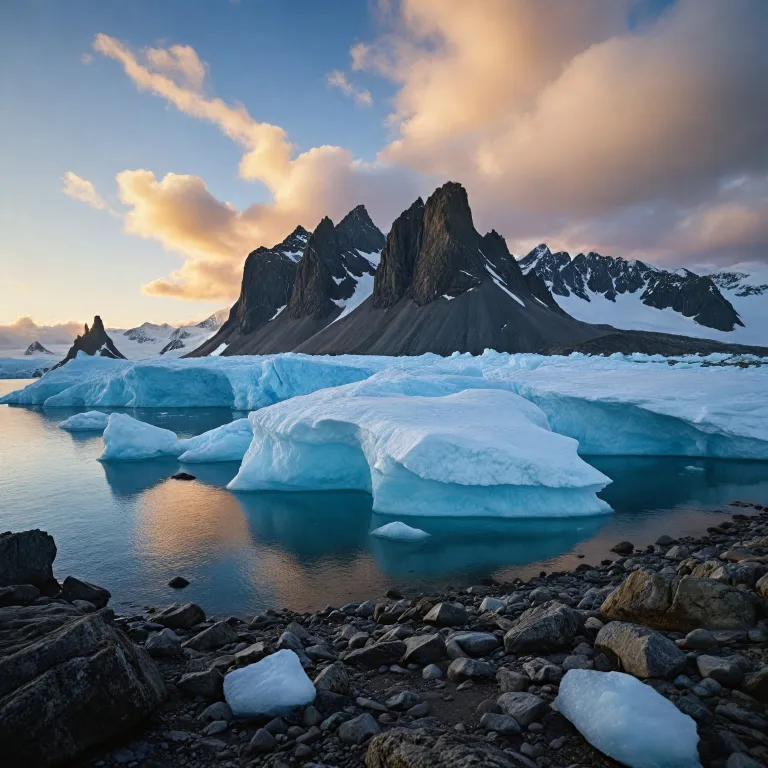
Exploring the allure of antarctic islands: from the falklands to the antarctic peninsula
The antarctic islands offer a rare opportunity for travelers seeking pristine wilderness and extraordinary wildlife encounters. The islands south of the antarctic circle, such as the falkland islands, south georgia, and the south shetland islands, are among the most sought-after destinations for expeditions. Each island in antarctica presents a unique ecosystem, shaped by the relentless southern ocean and the icy embrace of the antarctic peninsula. These islands, both antarctic and subantarctic, are home to a remarkable diversity of wildlife, including vast colonies of penguins and elephant seals. Expedition cruises are the preferred method to visit these remote islands, providing access to otherwise unreachable shores and allowing for immersive exploration. The journey across the southern ocean is as much a part of the adventure as the islands themselves, with the heritage adventurer and similar vessels offering safe passage through icy waters. The allure of the antarctic islands lies not only in their dramatic landscapes but also in the sense of discovery that accompanies each landing. The falklands south of mainland south america serve as a gateway to the wonders of the antarctic, while the subantarctic islands such as macquarie island and the auckland islands offer a glimpse into the region's unique natural heritage. For those seeking an expedition that combines adventure, education, and conservation, the antarctic islands to visit are unparalleled in their appeal.
Wildlife wonders: penguins, elephant seals, and the biodiversity of antarctic islands
The antarctic islands are renowned for their extraordinary wildlife, drawing naturalists and photographers from around the world. On south georgia, vast colonies of king penguins stretch across the beaches, while elephant seals lounge along the shorelines. The subantarctic islands, including the auckland islands and macquarie island, are critical breeding grounds for rare seabirds and endemic species. The falkland islands, situated in the south atlantic ocean, are home to five species of penguins, making them a highlight for any antarctic wildlife expedition. The islands antarctic region is a living laboratory, where the interplay between land, sea, and ice creates habitats for a rich array of animals. During an antarctica cruise, travelers can witness the spectacle of penguins porpoising through the sea, or observe the powerful presence of elephant seals on remote beaches. The antarctic peninsula and its surrounding islands offer close encounters with wildlife, often just meters away from expedition explores. As the southern ocean teems with life, each island antarctica reveals new surprises, from nesting albatrosses to playful fur seals. The commitment to eco-friendly practices by tour operators ensures that these wildlife experiences remain sustainable, preserving the delicate balance of the antarctic islands for future generations. For more insights on responsible wildlife viewing, explore our guide to eco-friendly antarctic expeditions.
Historic legacies: exploring heritage sites on antarctic and subantarctic islands
Beyond their natural wonders, the antarctic islands are steeped in history, with sites that chronicle the era of exploration and scientific discovery. South georgia, for example, is home to the grave of Sir Ernest Shackleton, a testament to the enduring spirit of antarctic expeditions. The falkland islands and south shetland islands also feature remnants of early whaling stations and research outposts, offering a glimpse into the human stories woven into the landscape. The subantarctic islands, such as the auckland islands and macquarie island, have witnessed centuries of shipwrecks and survival tales, adding a layer of intrigue to each visit. Many expeditions include guided tours of these heritage sites, where travelers can learn about the challenges faced by early explorers and the ongoing scientific research conducted by modern teams. The antarctic peninsula, with its network of research stations, provides opportunities for educational visits that highlight the importance of international cooperation in antarctica. As you plan your journey, consider the significance of these historical landmarks and the role they play in shaping our understanding of the antarctic islands. For a deeper dive into the region's heritage, see our article on antarctic exploration history.
Planning your expedition: choosing the right antarctic islands to visit
Embarking on an antarctic expedition requires careful planning, from selecting the ideal islands to visit to choosing the best time for travel. The antarctic summer, spanning November to March, offers milder temperatures and abundant wildlife, making it the optimal period for expeditions. Tour operators provide a range of itineraries, with options to explore the falkland islands, south georgia, the south shetland islands, and the antarctic peninsula. Each island presents distinct experiences, from the windswept moors of the falklands to the glacier-carved bays of the antarctic peninsula. Expedition cruises utilize ice-strengthened ships and zodiac boats, ensuring safe landings on remote shores. The heritage adventurer and similar vessels are equipped to navigate the challenging conditions of the southern ocean, providing comfort and security for travelers. When planning your antarctica cruise, consider the duration of the voyage, the wildlife highlights, and the historical sites included in the itinerary. Booking should be done well in advance, as demand for expeditions to the antarctic islands remains high.
Environmental stewardship: sustainable travel practices in the southern ocean
Travel to the antarctic islands carries a responsibility to protect one of the planet's last great wildernesses. Tour operators and research stations collaborate to implement eco-friendly practices, minimizing the environmental impact of expeditions. Strict guidelines govern all visits to antarctica, including the subantarctic islands and the islands south of the antarctic circle. Travelers are required to follow protocols that safeguard wildlife, such as maintaining distance from penguins and seals, and ensuring that no foreign materials are introduced to the fragile ecosystems. The use of sustainable technologies on expedition ships, including waste management systems and energy-efficient engines, reflects a commitment to conservation. The antarctic treaty system provides a framework for responsible tourism, ensuring that the unique values of the antarctic islands are preserved for future generations. As interest in antarctic expeditions grows, so does the importance of education and advocacy for environmental stewardship. "Tour operators typically handle necessary permits, but travelers should ensure compliance with the Antarctic Treaty System." This approach fosters a culture of respect and appreciation for the islands antarctic, reinforcing the need for ongoing vigilance in the face of environmental challenges.
Preparing for your journey: practical tips for visiting antarctic islands
Preparation is key to a successful expedition to the antarctic islands. Travelers should pack layered clothing suitable for extreme cold, as conditions on the islands and at sea can change rapidly. Comprehensive travel insurance is essential, given the remote nature of the region and the unpredictability of the southern ocean. It is important to follow all environmental guidelines to protect the unique wildlife and habitats of the antarctic and subantarctic islands. Most expeditions provide detailed briefings on safety procedures, wildlife etiquette, and the use of zodiac boats for shore landings. The experience of visiting the antarctic islands is both exhilarating and humbling, offering moments of awe as you stand amid penguin colonies or gaze at towering icebergs. The islands antarctic region rewards those who come prepared, with unforgettable encounters and a deeper appreciation for the planet's most remote frontiers. Whether your journey takes you to elephant island, the auckland islands, or the windswept shores of south georgia antarctic, each day brings new discoveries and lasting memories.
Key statistics on antarctic islands travel
- Number of tourists visiting Antarctica annually: 50,000 people
- Average cost of an Antarctic cruise: 10,000 USD
Frequently asked questions about antarctic islands to visit
What is the best time to visit Antarctic islands?
The Antarctic summer, from November to March, offers milder temperatures and abundant wildlife.
Do I need special permits to visit Antarctica?
Tour operators typically handle necessary permits, but travelers should ensure compliance with the Antarctic Treaty System.
What wildlife can I expect to see on Antarctic islands?
Common sightings include penguins, seals, and various seabirds.
References:
- International Association of Antarctica Tour Operators (IAATO)
- Various tour operators
- Antarctic Treaty System
