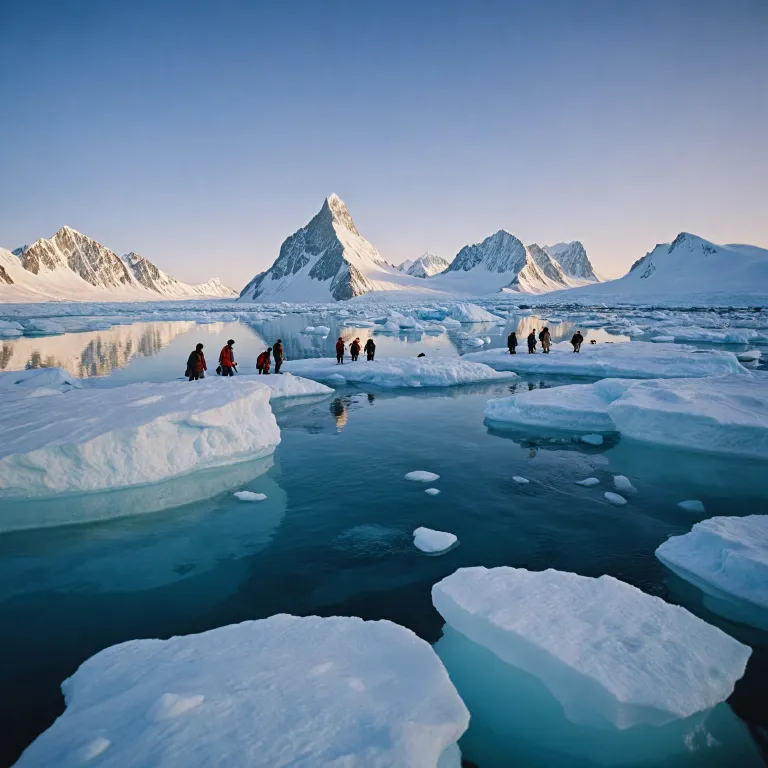
Understanding antarctica sustainable tourism: principles and challenges
Antarctica sustainable tourism is a rapidly evolving field, shaped by the unique challenges of the polar environment and the increasing demand for travel to the world’s southernmost continent. The surge in antarctic tourism has brought both opportunities and risks, requiring a careful balance between exploration and environmental stewardship. Operators and travelers alike must adhere to strict guidelines to minimize the impacts of tourism on the fragile antarctic ecosystem. The International Association of Antarctica Tour Operators (IAATO) plays a pivotal role in regulating tourism antarctica, ensuring that all activities are conducted responsibly and in line with the antarctic treaty. Responsible tourism in this region means respecting wildlife, reducing carbon emissions, and supporting environmentally friendly practices throughout every expedition cruise.
Travelers embarking on an antarctic cruise from ushuaia or buenos aires are often drawn by the promise of pristine landscapes and abundant wildlife. However, the impacts of increased cruise ships and expedition cruise activities require ongoing vigilance. Tour operators are tasked with educating guests about the importance of responsible travel, the significance of the antarctic circle, and the need to protect local communities and habitats. Sustainable tourism in antarctica is not just a trend but a necessity, as the polar environment is particularly vulnerable to climate change and human interference. By choosing environmentally responsible operators and adhering to travel advice from IAATO and other regulatory bodies, visitors can help preserve the antarctic peninsula for future generations.
Regulatory frameworks and the role of IAATO in antarctic tourism
The antarctic treaty and IAATO guidelines form the backbone of responsible tourism in antarctica. These frameworks set clear standards for tour operators, cruise ships, and travelers, aiming to limit the carbon footprint and environmental impacts of all activities. IAATO’s influence extends to regulating the number of tourists, controlling the frequency of landings, and ensuring that all operators implement sustainable practices. The antarctic treaty, signed by multiple nations, underscores the importance of international cooperation in preserving the polar environment. Tour operators must comply with these regulations, which include using sustainable aviation fuel, eco-friendly camp facilities, and participating in citizen science programs that benefit both travelers and the environment.
One of the key innovations in antarctica sustainable tourism is the development of eco-friendly infrastructure and transportation methods. Operators such as White Desert are at the forefront, offering expeditions that prioritize environmentally responsible travel and minimize carbon emissions. The role of IAATO is not limited to enforcement; it also involves education and advocacy, ensuring that all stakeholders understand the significance of their actions. For those seeking detailed travel advice or looking to book with reputable tour operators, resources like antarctic cruise operator guidelines provide essential information on best practices. By adhering to these frameworks, the antarctic tourism industry can continue to offer transformative experiences while safeguarding the region’s unique biodiversity.
Minimizing environmental impacts: best practices for operators and travelers
Reducing the environmental impacts of antarctic tourism requires a collaborative approach between operators, travelers, and regulatory bodies. Tour operators are encouraged to implement best practices such as limiting group sizes, using low-impact transportation, and ensuring that all waste is removed from the continent. Cruise ships operating in the antarctic circle must adhere to strict protocols to prevent pollution and disturbance to wildlife. Responsible travel extends to every aspect of the journey, from the choice of expedition cruise to the activities undertaken on the antarctic peninsula. Travelers are advised to select operators with a proven commitment to sustainability and to participate in educational programs that highlight the importance of conservation.
One effective way to reduce carbon emissions is by supporting operators that invest in environmentally friendly technologies and offset their carbon footprint. The use of sustainable aviation fuel and eco-friendly camp facilities is becoming more common among leading tour operators. Additionally, travelers can contribute by following all guidelines provided by IAATO and participating in citizen science initiatives that enhance understanding of the polar environment. For more insights on sustainable travel practices, explore our antarctic travel advice section. By embracing these best practices, both operators and visitors can ensure that antarctic tourism remains a force for good, preserving the region’s natural beauty and ecological integrity.
Wildlife conservation and the importance of responsible activities
Wildlife is one of the primary draws for those who travel to antarctica, with the region’s penguins, seals, and whales captivating visitors from around the world. However, increased tourism poses risks to these species, making responsible activities essential for conservation. Operators must design itineraries that avoid sensitive breeding areas and limit the number of landings to reduce disturbance. The antarctic peninsula and surrounding islands are particularly vulnerable, requiring careful management of cruise ship routes and shore excursions. Responsible tourism means respecting wildlife at all times, maintaining safe distances, and never feeding or approaching animals.
Participating in environmentally responsible activities, such as guided walks and citizen science projects, allows travelers to engage with the polar environment without causing harm. Operators are increasingly offering educational programs that emphasize the importance of wildlife conservation and the impacts of climate change on antarctic ecosystems. The role of local communities, though limited in antarctica, is also significant, as partnerships with scientific stations and research teams can enhance the sustainability of tourism activities. By prioritizing wildlife conservation and responsible travel, the antarctic tourism industry can help ensure that future generations will have the opportunity to visit antarctica and witness its extraordinary biodiversity.
Innovations in sustainable expeditions and reducing carbon footprint
The future of antarctica sustainable tourism depends on continuous innovation in expedition planning and carbon management. Operators are investing in new technologies to reduce the carbon footprint of cruise ships and land-based activities. The adoption of sustainable aviation fuel, hybrid-powered vessels, and energy-efficient camp facilities is transforming the way expeditions are conducted. These innovations not only lower carbon emissions but also set new standards for environmentally friendly travel in the polar regions. Tour operators are also exploring ways to involve travelers in sustainability efforts, such as participating in carbon offset programs and supporting conservation projects.
Expedition cruise companies are working closely with IAATO and environmental advocacy groups like ASOC to develop best practices for minimizing impacts. The integration of citizen science programs allows travelers to contribute to research on climate change and wildlife, enhancing the value of their visit to antarctica. By embracing these innovations, the antarctic tourism industry can continue to grow while maintaining its commitment to environmental responsibility and the preservation of the polar environment.
Education, advocacy, and the future of responsible antarctic travel
Education and advocacy are central to the long-term success of antarctica sustainable tourism. Tour operators, regulatory bodies, and environmental organizations are working together to raise awareness about the importance of responsible travel and the impacts of tourism on the antarctic environment. Travelers are encouraged to participate in educational programs that highlight the significance of the antarctic treaty, the role of IAATO, and the need for ongoing conservation efforts. As one expert notes, "Organizations like IAATO set guidelines for tour operators, including limiting tourist numbers, regulating landings, and promoting environmental education."
Advocacy groups such as ASOC play a vital role in promoting environmentally friendly policies and holding operators accountable for their actions. The future of antarctic tourism depends on the collective efforts of all stakeholders to prioritize sustainability and minimize environmental impacts. By choosing responsible operators, following travel advice, and supporting conservation initiatives, travelers can help ensure that antarctica remains a pristine destination for generations to come. The journey towards truly sustainable tourism in the antarctic circle is ongoing, but with continued education and advocacy, it is possible to achieve a balance between exploration and preservation.
Key statistics on antarctica sustainable tourism
- In the 2023–2024 season, over 125,000 tourists visited Antarctica.
- Tourism numbers have increased by 300% over the past decade.
Frequently asked questions about antarctica sustainable tourism
What measures are being taken to ensure sustainable tourism in Antarctica?
Organizations like IAATO set guidelines for tour operators, including limiting tourist numbers, regulating landings, and promoting environmental education.
How does tourism impact the Antarctic environment?
Tourism can lead to pollution, wildlife disturbance, and accelerated ice melt due to increased human activity and emissions.
Are there eco-friendly tour options available for visiting Antarctica?
Yes, companies like White Desert offer luxury tours with a focus on sustainability, using eco-friendly facilities and transportation methods.
References:
- International Association of Antarctica Tour Operators (IAATO): https://iaato.org/
- White Desert: https://white-desert.com/
- Antarctic and Southern Ocean Coalition (ASOC): https://www.asoc.org/
