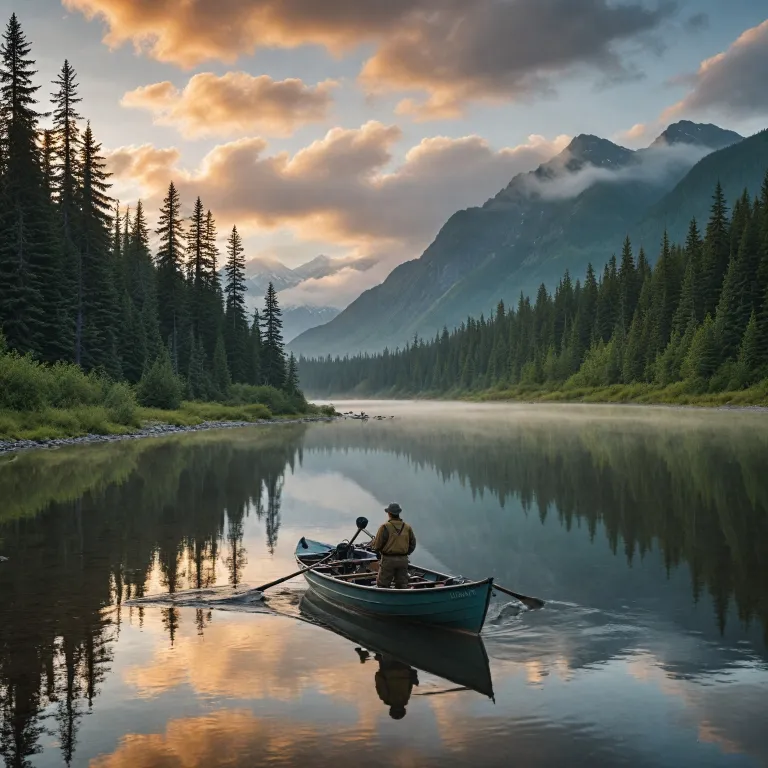
Flying into Alaska’s wild waters for refined fly in Alaska fishing
Fly in Alaska fishing sits at the crossroads of wilderness immersion and technical angling skill. When a float plane lifts off from Anchorage and banks toward a remote river or lake, every person on board feels the shift from routine travel to genuine expedition. In the context of Arctic and sub Arctic journeys, this style of alaska fishing becomes a natural extension of exploring high latitude coasts, fjords, and glacial valleys.
Many travelers pair polar voyages with a dedicated fishing trip that focuses on salmon and trout in pristine alaskan waters. A fly in Alaska fishing itinerary can start with a coastal cruise, then transition inland by float plane to a fishing lodge beside a clear river or lake. This combination allows guests to experience marine wildlife, calving glaciers, and then the intimate rhythm of casting a fly over a quiet pool at dusk.
The core of the fishing experience is access to remote river systems that still feel untouched. Operators use float plane shuttles to reach wilderness camps along the Kenai, the Kvichak River, Lake Creek, or the Bristol Bay watershed. These flights open a network of salmon fishing and trout water that would be impossible to reach in a single trip by road or boat alone.
Within this network, anglers can target king salmon, silver salmon, and sockeye salmon, alongside rainbow trout and native trout species. Each fish demands a different fly, presentation, and reading of current, which keeps even experienced fly fishing guests fully engaged. For travelers used to polar wildlife cruises, this close contact with individual fish and river structure offers a more tactile, hands on relationship with the North.
Planning a fly in Alaska fishing trip from polar gateways
Most fly in Alaska fishing trips begin or end in Anchorage, which functions as a logistical hub for both polar flights and regional float plane operations. Travelers arriving from Arctic or Antarctic voyages often schedule a multi day fishing trip to extend their time in northern landscapes. This approach spreads long haul travel over several experiences and deepens the sense of connection to high latitude ecosystems.
From Anchorage, float plane departures fan out toward Cook Inlet, Bristol Bay, Lake Creek, and the Kenai Peninsula, each region offering distinct fishing experiences. A fishing lodge near a lake may emphasize family friendly fishing trips with shorter flights and easier wading, while a remote camp on a river might focus on serious fly fishing for king salmon or large rainbow trout. In both cases, the operator will usually provide guidance on what to bring, from layered clothing to specific fly patterns.
For travelers who also enjoy wildlife and birdlife, combining a fly in Alaska fishing itinerary with specialist excursions can be rewarding. Those fascinated by seabirds and coastal ecosystems often pair their angling plans with dedicated birdwatching in the Southern Ocean or Patagonia, using resources similar to this detailed guide to the birds of Patagonia and their habitats. This broader perspective highlights how salmon, trout, and marine predators link oceanic and riverine food webs.
Before any fishing trip, it is essential to secure the correct fishing license and understand local regulations. The Alaska Department of Fish and Game manages seasons, bag limits, and catch and release rules to protect fish populations. Their guidance underpins sustainable alaska fishing practices, especially in heavily visited systems such as the Kenai and Bristol Bay rivers.
Choosing the right fishing lodge and guided fly services
Selecting an appropriate fishing lodge is central to a successful fly in Alaska fishing itinerary. Some properties sit on the banks of a river like Lake Creek or the Kvichak River, while others overlook a lake that serves as a float plane base for daily fly outs. The best options align the style of lodging, guided fly services, and aircraft access with each person’s expectations and physical comfort.
Travelers focused on salmon fishing often prioritize proximity to king salmon, silver salmon, and sockeye salmon runs. A fishing lodge in the Bristol Bay region might offer daily float trips on multiple rivers, using a float plane to reposition guests according to water levels and fish movement. In contrast, a lodge near a national park could emphasize a blend of wildlife viewing, hiking, and more relaxed fishing trips for rainbow trout and trout in smaller streams.
Guided fly services are particularly valuable for visitors who are new to alaska fishing or to cold water techniques. Local guides understand how glacial melt, tides in Cook Inlet, and weather patterns influence fish behavior on any given day. They also help refine casting, fly selection, and safe wading, which is crucial when pursuing large fish in swift river currents.
Many travelers combine guided fly days with independent sessions near the lodge to balance structure and freedom. When planning, ask how many guests share each guide, what gear is included, and how float plane schedules interact with tides or peak feeding times. For bird and wildlife enthusiasts, it can be useful to choose a lodge that also appreciates Arctic avifauna, similar in spirit to the expertise showcased in this Svalbard birding overview.
Target species, seasons, and techniques for refined fly fishing
Understanding target species is essential for any fly in Alaska fishing plan, especially when time is limited by polar travel schedules. King salmon typically draw anglers seeking powerful fish that test both tackle and technique. Silver salmon and sockeye salmon provide more consistent action, often in visually striking river settings that appeal to photographers and naturalists.
Rainbow trout and other trout species become a central focus later in the season, when salmon spawning concentrates food sources. In systems like the Kvichak River, Lake Creek, and tributaries of Bristol Bay, trout grow large by feeding on salmon eggs and fry. Fly fishing here often involves bead imitations and subtle presentations, which reward precise casting and careful reading of current seams.
Many fishing trips also include opportunities to fish for resident species in lakes near the lodge. These lake sessions can be ideal for less experienced anglers or for a person recovering from more strenuous river wading. They also provide a quiet counterpoint to the intensity of battling a king salmon in heavy current.
Seasonality shapes every fishing experience, from early runs of king salmon to later surges of silver salmon and peak trout conditions. Guides adjust techniques, from swinging large flies on sink tips to dead drifting smaller patterns, to match each phase of the season. For travelers who also enjoy Arctic wildlife, this sensitivity to timing mirrors the planning required for polar bear viewing, as outlined in resources such as this guide to polar bear tours in the Arctic.
Logistics, safety, and sustainability in remote Alaskan wilderness
Operating in remote alaskan wilderness demands careful attention to logistics and safety, especially when float plane access is involved. Weather can delay flights between Anchorage, Cook Inlet, and outlying lakes, so itineraries should allow buffer days around any fishing trip. Multi day packages often build this flexibility into their schedules, ensuring that guests still enjoy a full fishing experience even if a storm passes through.
On the water, guides emphasize wading safety, cold water awareness, and respectful behavior around wildlife. Rivers that support strong salmon fishing and trout populations also attract bears, eagles, and marine mammals near estuaries. Clear briefings on how to move, speak, and store food help each person feel confident while maintaining the integrity of the ecosystem.
Sustainability is central to modern alaska fishing, particularly in high profile regions such as Bristol Bay and the Kenai. Catch and release practices for certain species, barbless hooks, and adherence to daily limits all contribute to long term resilience of fish stocks. Technology such as GPS and communication devices improves safety, but it should never replace sound judgment and respect for changing river conditions.
Travelers coming from Arctic or Antarctic voyages often bring a strong conservation ethic, which aligns well with local expectations. Supporting lodges and guided fly operators that collaborate closely with the Alaska Department of Fish and Game reinforces responsible management. Over time, this approach ensures that future fishing trips will still encounter abundant salmon, healthy rainbow trout, and intact river corridors.
Integrating fly in Alaska fishing with broader polar travel
For many travelers, fly in Alaska fishing becomes one chapter in a wider narrative of polar exploration. A person might begin with a voyage along the Antarctic Peninsula, then continue north to experience alaskan rivers, lakes, and coastal fjords. This progression reveals how cold ocean currents, glacial systems, and migratory fish connect distant parts of the planet.
Within this broader context, each fishing trip offers a tangible way to engage with northern ecosystems. Casting a fly over a clear pool on the Kenai or Kvichak River, guests witness salmon returning from the ocean, feeding bears, and enriching forests. The same traveler may later observe penguin colonies or Arctic seabird cliffs, recognizing similar nutrient cycles at work.
Alaska fishing lodges and local guides often share insights that complement scientific lectures heard on expedition ships. They explain how regulations, such as those overseen by the Alaska Department of Fish and Game, translate into daily decisions on the river. This practical perspective deepens appreciation for policy, data, and long term monitoring in fragile environments.
“The prime season is from June to September, with specific species peaking at different times.” This concise guidance helps visitors align their fly fishing trips with desired target species, whether king salmon, silver salmon, sockeye salmon, or trophy rainbow trout. When combined with thoughtful planning around float plane logistics and multi day stays at a fishing lodge, it allows polar travelers to weave a coherent, meaningful journey through the world’s great cold water regions.
Key statistics for fly in Alaska fishing and polar angling
- Non resident fishing license fees have increased by 25 %, reflecting strong demand for regulated alaska fishing experiences.
- The Bristol Bay sockeye salmon run has been measured in the tens of millions of fish, underscoring the global significance of this watershed for salmon fishing and conservation.
- Prime fly in Alaska fishing season typically spans June to September, with king salmon, sockeye salmon, silver salmon, and rainbow trout each peaking at different points.
Essential questions about fly in Alaska fishing
What is the best time of year for fly fishing in Alaska?
The prime season is from June to September, with specific species peaking at different times. Early season often favors king salmon and initial sockeye salmon runs, while later weeks bring strong silver salmon and rainbow trout fishing. Travelers should match their preferred fish species and river conditions to these seasonal windows when planning a fishing trip.
Do I need a special license to fly fish in Alaska?
Yes, both residents and non residents require a fishing license, obtainable through the Alaska Department of Fish and Game. Additional stamps or permits may apply for certain species or specific river systems, particularly in high demand areas. It is important to secure the correct documentation before any guided fly outing or independent fishing experience.
Are there guided fly fishing trips available in Alaska?
Yes, numerous lodges and outfitters offer guided trips across various alaskan rivers and lakes. These services typically include boats, safety equipment, and expert instruction on techniques for salmon fishing and trout fishing. For visitors combining polar voyages with inland travel, guided fly options provide an efficient, safe way to maximize limited time on the water.
