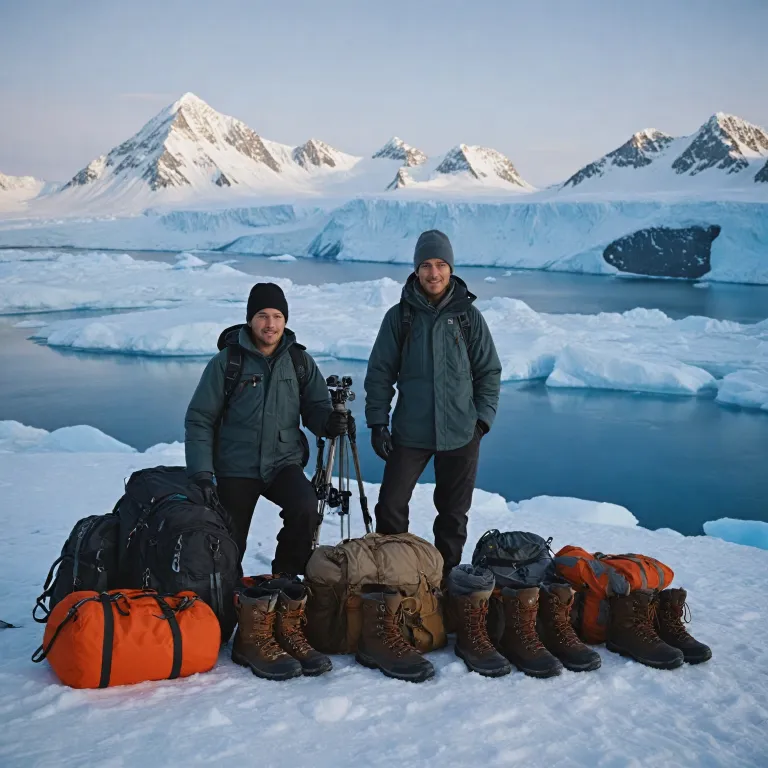
Understanding the Antarctic environment and cruise essentials
Antarctica is a land of extremes, where the weather can shift rapidly and the cold is ever-present. Preparing for an Antarctic cruise means understanding the unique challenges posed by this remote continent. The average summer temperature on the Antarctic Peninsula hovers around 0°C, but wind chill and sudden weather changes can make it feel much colder. For this reason, your packing list for an Antarctica cruise must be comprehensive and focused on warmth, waterproofing, and adaptability.
Layering is the foundation of all Antarctic cruise packing essentials. Start with a moisture-wicking base layer, such as wool or synthetic long underwear, to keep sweat away from your skin. Add an insulating mid-layer, like a wool or fleece jacket, and finish with a waterproof and windproof outer layer. This system allows you to adjust your clothing as conditions change, ensuring comfort whether you are on board the ship or stepping onto the icy continent. Remember, "A layered clothing system is recommended, including moisture-wicking base layers, insulating mid-layers, and waterproof outer layers."
When you pack for Antarctica, prioritize quality over quantity. Bring several pairs of wool socks, waterproof pants, and a durable dry bag to protect your electronics and important documents. The right boots are critical; waterproof and insulated boots will keep your feet warm and dry during excursions. Many cruise operators provide insulated parkas, but always check with your operator to confirm what gear is supplied. Your packing list should also include gloves, hats, and UV-protection sunglasses, as the sun's reflection off the ice can be intense. "Yes, waterproof and insulated boots are essential for wet landings and protection against cold temperatures."
Layering strategies: mastering warmth and comfort on expedition
Effective layering is the cornerstone of any Antarctica packing list. The base layer, typically wool or synthetic, is designed to wick moisture away from your body. This keeps you dry and helps regulate your temperature during both active excursions and time spent on board the ship. Long sleeve tops and long underwear are ideal choices for this foundational layer.
The mid-layer provides insulation. Wool or fleece jackets and pants trap heat close to your body, creating a barrier against the cold. For those who feel the chill easily, packing an extra pair of wool socks or a thicker wool jacket can make a significant difference. The outer layer must be waterproof and windproof. Waterproof pants and jackets shield you from snow, rain, and the ever-present Antarctic wind. This is especially important during zodiac landings and hikes, where exposure to the elements is unavoidable.
Accessories are just as vital as clothing. Gloves, hats, and neck gaiters made from wool or synthetic materials offer additional protection. Sunglasses with high UV protection are essential due to the continent's high UV index. "Yes, due to high UV levels, it's important to use high-SPF sunscreen and wear UV-protection sunglasses." For more insights on expedition gear, explore our comprehensive guide to polar travel equipment.
Footwear and accessories: choosing the right boots and gear
Footwear is a critical component of your Antarctica cruise packing essentials. Waterproof and insulated boots are non-negotiable, as landings often involve stepping into shallow water or snow. Many cruise operators provide boots, but if you prefer your own, ensure they are rated for extreme cold and have a sturdy, non-slip sole. Bring multiple pairs of wool socks to keep your feet warm and dry throughout the expedition.
Accessories such as gloves, hats, and scarves should be made from wool or synthetic materials for optimal warmth. Layering gloves—using a thin liner under a thicker, waterproof pair—offers flexibility and protection. A dry bag is indispensable for safeguarding electronics and important documents during zodiac excursions. "Use waterproof bags or dry bags to protect electronics from moisture during excursions."
Other essentials include a high-quality water bottle to stay hydrated, hiking poles for stability on uneven terrain, and a small backpack for daily excursions. For those planning to participate in the polar plunge, pack a swimsuit and a quick-drying towel. For a detailed checklist, refer to our ultimate Antarctica cruise packing list.
Onboard life: clothing and gear for comfort and safety
Life on board the ship during an Antarctic cruise is a blend of relaxation and preparation for daily excursions. While the ship is heated, it is advisable to wear comfortable, warm clothing such as wool sweaters, long sleeve shirts, and soft pants. Slippers or indoor shoes are recommended for moving around the ship, as outdoor boots are typically left in designated areas to prevent bringing snow and moisture inside.
For evenings and downtime, pack casual clothing that can be layered. A lightweight jacket or fleece is useful for time spent on deck, where you may want to watch wildlife or take in the scenery. Remember to bring a pair of binoculars and a camera, as the photographic opportunities are unparalleled. Keep your dry bag handy to protect your gear from unexpected splashes or weather changes.
Safety is paramount on any Antarctica cruise. Always follow the guidance of expedition leaders and crew, especially during landings and hikes. "Many cruise operators provide insulated parkas, but it's advisable to check with your specific operator.
Excursion readiness: preparing for landings and activities
Excursions are the highlight of any Antarctica cruise, offering the chance to set foot on the continent and observe its unique wildlife. Proper packing ensures you are ready for every adventure, from hiking to the iconic polar plunge. Waterproof pants and jackets are essential for zodiac landings, where you may encounter wet and windy conditions. Layering remains crucial, as activity levels and weather can change rapidly.
Hiking poles provide stability on icy or uneven terrain, making them a valuable addition to your packing list. Bring a pair of waterproof gloves for handling equipment and a hat that covers your ears for added warmth. A dry bag is useful for keeping your camera and other valuables safe during excursions. "Check with your cruise operator about provided gear to avoid unnecessary packing."
For the polar plunge, pack a swimsuit and a warm towel. After the plunge, change quickly into dry, warm clothing to avoid a chill. Always carry a water bottle to stay hydrated, as the cold can mask signs of dehydration. For more tips on preparing for Antarctic excursions, consult our detailed resources on expedition activities.
Finalizing your Antarctica cruise packing list: tips and sustainable choices
As you finalize your Antarctica cruise packing list, review each item for necessity and quality. Prioritize clothing and gear that are durable, lightweight, and designed for cold weather. Wool and synthetic materials are preferred for their insulating and moisture-wicking properties. Bring multiple pairs of long underwear, wool socks, and waterproof pants to ensure you are prepared for any condition.
Consider eco-friendly and sustainable gear options, as minimizing environmental impact is increasingly important on Antarctic expeditions. Advancements in lightweight, insulating materials mean you can pack efficiently without sacrificing warmth or comfort. "Invest in high-quality, moisture-wicking base layers to stay warm and dry."
Keep your packing list organized and check with your cruise operator regarding provided gear. This will help you avoid overpacking and ensure you bring only what is necessary. For a comprehensive overview of packing Antarctica essentials, refer to our curated guides and expert recommendations.
Key Antarctic cruise statistics
- Average summer temperature in Antarctic Peninsula: 0°C (32°F)
- UV Index in Antarctica during summer: 10
Frequently asked questions about Antarctic cruise packing
What type of clothing is best for an Antarctic cruise?
A layered clothing system is recommended, including moisture-wicking base layers, insulating mid-layers, and waterproof outer layers.
Are waterproof boots necessary for Antarctic cruises?
Yes, waterproof and insulated boots are essential for wet landings and protection against cold temperatures.
Do I need to bring my own parka for an Antarctic cruise?
Many cruise operators provide insulated parkas, but it's advisable to check with your specific operator.
References: National Science Foundation, World Health Organization, National Geographic
