Section 1 – Why the best hikes in Iceland matter to polar travellers
Planning Arctic or Antarctic expeditions often starts with testing yourself on some of the best hikes in Iceland. Longer hiking days on a rugged trail prepare your body and mindset for remote landings in Greenland, Svalbard, South Georgia, or the Antarctic Peninsula. Shorter routes on the island also let you refine your layering system, judge hours of daylight, and understand how quickly conditions shift in sub polar weather.
For polar bound travellers, each demanding walk in Iceland becomes a dress rehearsal for stepping onto sea ice or moraine near a glacier. You learn how to pace multi day efforts, how to read a hiking trail in low cloud, and how to manage food and water over several hours of steady exertion without easy resupply. That experience translates directly to camping on the Antarctic ice sheet or trekking across Arctic tundra, where the margin for error is slimmer and the remoteness far greater.
Many visitors base themselves in Reykjavík for a few days, then fan out along the ring road to sample different hiking trails. This mix of urban comfort and wild day hikes mirrors the rhythm of expedition cruising, where you shuttle between ship and shore several times a day. By choosing classic hiking routes in south Iceland and the highlands, you build both confidence and respect for the elements before you ever step onto a Zodiac in polar waters.
Section 2 – Laugavegur trail and Fimmvörðuháls pass as training for polar crossings
The Laugavegur Trail is widely regarded as one of the best hikes in Iceland for serious trekkers. Stretching about 55 kilometres between Landmannalaugar and Þórsmörk, this multi day route crosses lava fields, snow patches, and steaming geothermal valleys that echo the contrasts of Arctic and Antarctic landscapes. Because the Laugavegur trail demands careful planning of hours, elevation gain, and river crossings, it is an ideal rehearsal for unsupported polar camping journeys.
Most hikers complete Laugavegur in three to four days, with daily stages of 12–18 kilometres and cumulative elevation gain of roughly 1,500–2,000 metres. Mountain huts along the route usually require advance booking in the main season, and river crossings are unbridged, so you must be prepared to wade in cold water and assess flow before committing. The Icelandic Road and Coastal Administration publishes F-roads and highland access updates, while the Icelandic Met Office provides detailed forecasts that should be checked before you set out.
Many hikers extend the Laugavegur experience by adding the 25 kilometre Fimmvörðuháls pass between Skógar and Þórsmörk. This longer hike Iceland combination turns into one of the toughest but best hiking traverses in the country, with difficulty rated moderate to challenging depending on weather and snow. The route threads between glaciers above the highlands, climbing more than 1,000 metres in a day, so you gain practical experience with wind exposure, changing visibility, and the mental discipline needed for long polar day hikes.
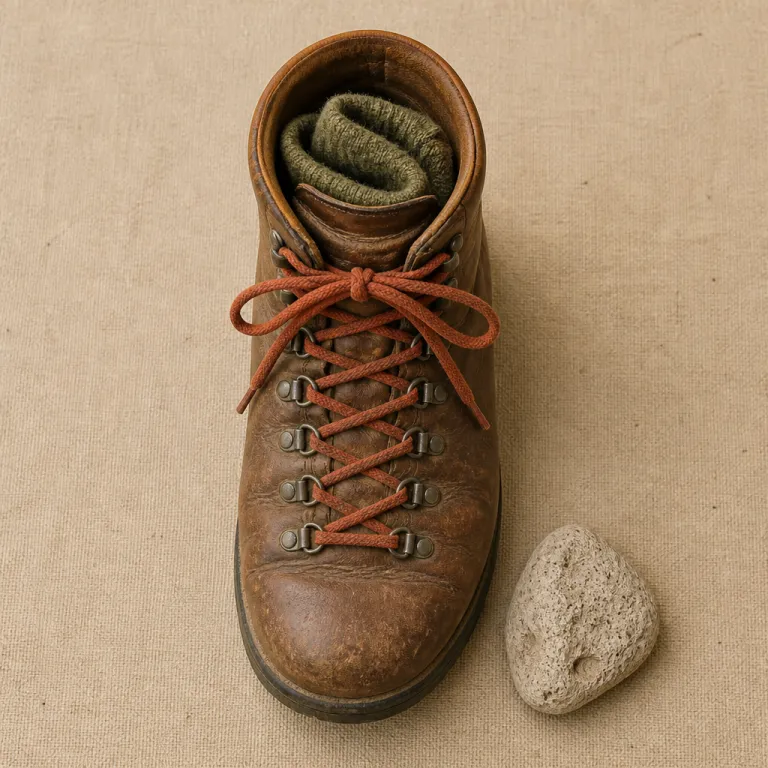
Before attempting such demanding hiking trails, test your clothing and footwear on shorter outings near Reykjavík and along the south Iceland coast. A well planned gear system for hiking Iceland should already include layers suitable for Antarctic shore excursions and Arctic whale watching, and you can refine that using a specialist guide to essential attire for polar whale watching. When you finally shoulder a pack for a multi day Laugavegur tour, you will know exactly how your equipment performs over many hours of cold, wet, and windy conditions.
Section 3 – Day hikes near Reykjavík that sharpen polar expedition skills
Not every traveller needs a long multi day trek to prepare for polar journeys, and some of the best hikes in Iceland sit within easy reach of Reykjavík. The Reykjadalur hot springs route, often called the Reykjadalur hot river hike, is a classic example of a short but rewarding hiking trail. In just a few hours you move from farmland to geothermal steam vents, then end the day soaking in naturally warm water that feels especially welcome after a cold Antarctic Zodiac ride.
The out and back walk to Reykjadalur typically takes two to three hours for most visitors, with around 300 metres of ascent on a well trodden path that can still become muddy and slippery in rain. On a blustery June afternoon, I remember stopping halfway up to swap a damp base layer for a dry one, a simple change that turned a shivery trudge into a comfortable climb and underlined how crucial fast layering will feel on exposed polar shorelines.
Another excellent training hike Iceland option is the ascent to Glymur, the country’s second highest waterfall. This waterfall hike covers roughly seven kilometres with meaningful elevation gain, and the narrow canyon, river crossings, and cliff edge paths demand the same surefootedness you will need on rocky Arctic landings. Because the difficulty moderate terrain changes quickly underfoot, it is a perfect place to practise using trekking poles, adjusting layers, and managing your pace over several hours of hiking.
For those eyeing polar kayaking or ski touring, cross training with different outdoor activities around Iceland can be invaluable. A carefully chosen snowy river kayak adventure in another cold region, combined with Icelandic day hikes, builds a rounded skill set for remote expeditions. Linking these experiences with easy trails near Reykjavík and more demanding hiking trails in the highlands gives you a structured pathway from casual hiking to confident polar travel.
Section 4 – Skaftafell, south Iceland, and glacier focused hiking
Travellers fascinated by ice will find some of the best hikes in Iceland inside and around Skaftafell, a protected area within Vatnajökull National Park. Here, short hiking trails lead to viewpoints over outlet glaciers, while longer day hikes reach the basalt framed Svartifoss waterfall and panoramic ridges. These routes offer a rare chance to study glacier behaviour at close range before you encounter vast ice shelves in Antarctica or the drifting pack ice of the Weddell Sea.
Popular waymarked paths in Skaftafell range from one to eight hours, with elevation gains between 150 and 800 metres, and the national park service publishes up to date maps, seasonal closures, and recommended circuits. Glacier focused hiking Iceland experiences often combine a guided tour on the ice with a surrounding hike on moraine or heathland. Local mountain guides manage the technical side of crampons and ropes, leaving you free to observe how crevasses form, how meltwater flows, and how quickly weather can change over a few miles of exposed ice. This knowledge proves invaluable when you later join a polar expedition where the ship’s guide team assesses sea ice and landing safety several times a day.
South Iceland also offers gentler coastal trails and easy waterfall hikes that suit travellers who prefer difficulty easy routes. These shorter hikes Iceland options, often just a few hours long, still deliver strong training value because you learn to read clouds, wind, and sea state along the Atlantic shore. That same observational habit will serve you well when your expedition vessel navigates through pack ice on a voyage such as a Weddell Sea journey where pack ice dictates landings.
Section 5 – Safety, timing, and logistics for hiking Iceland before polar trips
Anyone using the best hikes in Iceland as preparation for Arctic or Antarctic travel must treat safety as non negotiable. Local authorities and experienced guides consistently emphasise a few core principles for every hike and every trail. These include the advice to “Check weather forecasts. Dress in layers. Stay on marked trails. Inform someone of your plans. Carry sufficient water and snacks.”
In practice, that means checking the Icelandic Met Office for wind, precipitation, and temperature forecasts, and consulting official travel safety sites for alerts about river levels or trail closures. Timing your hikes Iceland itinerary around daylight and seasonal access is equally important, especially if you are training for polar camping. Summer offers the best hiking conditions in the highlands, when routes like the Laugavegur trail and Fimmvörðuháls pass are generally free of deep snow and river levels are manageable. Shoulder seasons can still provide rewarding day hikes, but hours of light shrink quickly and difficulty moderate routes can feel far more serious under early snow or ice.
Many polar travellers choose Reykjavík as a staging point, spending a day or two on easy hiking trails before or after their expedition flights. This approach allows you to test your polar clothing system, refine pack weight, and adjust to jet lag while still enjoying some of the best hikes near the capital. By the time you board a ship for the Arctic or Antarctic, you will already have a clear sense of your pace, preferred daily hiking duration, and how your body responds to cold, wind, and uneven ground.
Section 6 – Matching Icelandic routes to your polar ambitions
Choosing among the best hikes in Iceland becomes easier when you align each route with a specific polar goal. If you are planning ship based Antarctic travel with mostly short landings, focus on easy to moderate day hikes such as the Reykjadalur hot springs walk, Glymur waterfall hike, and coastal trails along south Iceland. These outings mirror the typical two to three hours of shore excursions, with similar elevation gain and terrain variety.
Travellers preparing for multi day Arctic treks or overnight Antarctic camping should prioritise longer hiking trails with sustained effort. The Laugavegur trail, extended into Þórsmörk and possibly linked with Fimmvörðuháls, offers the best hiking simulation of carrying a pack over many miles in changing weather. Combining these with glacier tours in Vatnajökull National Park gives you a rounded portfolio of experience that closely resembles the physical and mental demands of remote polar journeys.
Whatever your ambition, treat every hike Iceland offers as both an adventure and a classroom. Keep notes on trail difficulty, clothing performance, nutrition, and how you handle fatigue over different daily hiking profiles. By the time you stand on the deck of an expedition vessel watching icebergs drift past, your time on Icelandic trails will have quietly shaped you into a more capable, confident polar traveller.
Key statistics for Iceland hikes and polar preparation
- The Laugavegur Trail covers about 55 kilometres between Landmannalaugar and Þórsmörk, offering a classic multi day trek that mirrors the sustained effort of Arctic tundra crossings (source: Wanderlust Magazine).
- The Fimmvörðuháls pass between Skógar and Þórsmörk extends roughly 25 kilometres, creating a demanding link that helps prepare hikers for long Antarctic shore days with significant elevation gain (source: Global Summit Guide).
- Glymur waterfall rises around 198 metres, and the seven kilometre approach hike provides a compact but serious training ground for steep, exposed paths similar to some Arctic landing sites (source: Iceland Spirit).
- Summer months generally offer the safest conditions for highland hiking in Iceland, aligning well with the main Arctic expedition season when daylight is long and weather windows are more stable.
- Growing use of GPS navigation apps on Icelandic hiking trails reflects a wider trend in expedition travel, where digital tools now complement but never replace traditional map and compass skills.
Frequently asked questions about Iceland hikes for polar travellers
What is the best time to hike in Iceland if I am training for polar travel ?
Summer provides the most reliable conditions for both easy day hikes and longer highland routes, which makes it the ideal season for structured preparation. Trails such as the Laugavegur trail and Fimmvörðuháls pass are typically accessible, river levels are lower, and extended daylight lets you simulate long polar days on your feet.
Are there guided hiking tours available that focus on glaciers and safety ?
Yes, numerous operators across Iceland offer guided tours on glaciers and surrounding hiking trails, especially in areas like Vatnajökull National Park and south Iceland. These guided experiences are valuable for polar bound travellers because professional guides manage technical safety while explaining weather, ice conditions, and route choice in detail.
Do I need special equipment for hiking in Iceland before an Arctic or Antarctic trip ?
Sturdy hiking boots and weather appropriate clothing are essential for any Iceland hike, whether you choose short day hikes or multi day routes. For glacier tours you will usually be provided with crampons and technical gear, but you should still bring layered clothing, waterproofs, gloves, and a hat similar to what you plan to use in polar regions.
Can easy Icelandic trails still help me prepare for polar expeditions ?
Difficulty easy routes such as coastal paths, waterfall hikes, and the Reykjadalur hot springs trail are excellent for testing clothing, pacing, and basic navigation. Even a few hours on these trails will teach you how your body responds to wind, rain, and uneven ground, which directly informs how you plan for Arctic or Antarctic shore excursions.
How do Iceland’s hiking regions compare to Arctic and Antarctic environments ?
The highlands, lava fields, and glacier fringes of Iceland offer a compact preview of many polar landscapes, from volcanic plateaus to ice margins. While Iceland does not replicate sea ice or the vastness of the Antarctic interior, its best hikes provide realistic training in weather management, route finding, and self care in cold, remote settings.
