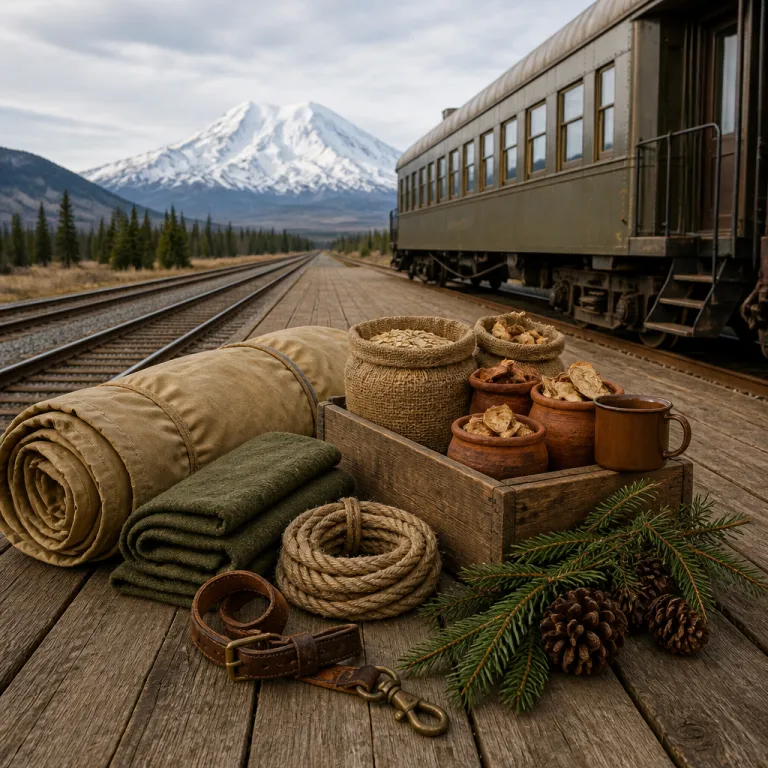
Why the McKinley Explorer to Denali matters for polar‑minded travelers
The McKinley Explorer to Denali is more than a scenic train ride between Anchorage and Denali Park. Operated as Holland America Line and Princess Cruises dome rail cars on the Alaska Railroad main line, this glass dome train service combines classic Alaska sightseeing with structured logistics. For travelers who later plan Arctic or Antarctic camping adventures, the Anchorage–Denali rail journey offers a realistic introduction to distance, weather, and remoteness without leaving the comfort of a railcar.
The McKinley Explorer train covers about 375 kilometers (roughly 233 miles) between Anchorage and Denali, following the same core corridor as the Alaska Railroad Denali Star route. This Anchorage–Denali rail segment functions as a soft immersion into expedition-style travel, with guided narration, reserved seats, and clear timings that echo the discipline required on remote journeys. For passengers preparing for fly‑in expeditions or tent‑based trips, this controlled environment is an ideal rehearsal for packing systems, camera management, and moving efficiently with a group.
The departure from Anchorage usually takes place in the morning, with passengers advised to arrive at the depot at least one hour before the scheduled departure time; in peak summer, check‑in often opens around 7:00–7:30 a.m. for a mid‑morning train. That simple requirement mirrors the punctuality needed when catching charter flights to Arctic fjords or Antarctic ice runways. By the time you reach Denali Park in the late afternoon, you have already practiced layering clothing, managing batteries and lenses, and organizing daypacks for a full day outdoors, all of which are essential skills for high‑latitude camping.
From Anchorage to Denali Park: reading the landscape like a future camper
The Anchorage–Denali rail route is a masterclass in reading wild terrain from the comfort of a glass dome rail car. As the McKinley Explorer train leaves Anchorage, the views passing through the Chugach foothills and along braided rivers teach you how to interpret valleys, snow lines, and weather fronts. Those same visual cues later help you choose safe tent sites on Arctic tundra or Antarctic gravel beaches, where subtle changes in slope or cloud cover can affect camp safety and comfort.
Reserved seating in the upper level explorer dome offers wide dome windows that frame Alaska in cinematic detail. You watch the route unfold towards Talkeetna, noting how forest gives way to open river flats and then to the massive presence of Denali itself. This gradual transition mirrors the way an expedition vessel moves from subarctic waters into true polar environments, giving your eyes and judgment time to adjust to bigger horizons and more exposed terrain while still enjoying a relaxed train ride.
On the lower level, the dining room and lounge provide a quieter space to review maps and discuss future camping adventures. Over breakfast or a relaxed breakfast–lunch service, staff often share practical insights about weather, daylight, and wildlife behavior in Denali Park and along the Alaska Railroad corridor. Those conversations are invaluable if you plan to extend your journey into more remote Arctic camps, and they help you translate what you see from the explorer train windows into decisions you will later make from a tent door.
Inside the explorer dome: comfort, service, and skills for cold‑weather camping
The signature feature of the McKinley Explorer to Denali is its two‑level dome rail cars, designed to maximize comfort while keeping you close to the elements. In the upper level, the explorer dome seating places you beneath sweeping glass, with dome windows that curve overhead and down the sides. This configuration gives passengers uninterrupted views of Alaska peaks, rivers, and taiga, similar to the wide horizons you will later experience from a tent flap on Arctic sea ice or a snow camp above a glacier.
Tray tables at each seat make it easy to organize cameras, notebooks, and field guides during the train ride. Learning to keep your gear tidy in a compact space is excellent preparation for life in a polar tent, where every square centimeter matters and every item needs a fixed place. The calm rhythm of the railroad Denali route also lets you practice layering clothing, adjusting gloves, and managing electronics in cool air without the pressure of a storm, turning the upper level into a moving classroom for cold‑weather routines.
On the lower level, the dining room serves freshly prepared breakfast and lunch, with attentive service that still respects the informal spirit of an outdoor‑focused journey. This is where you can discuss logistics for future fly‑in trips to wild rivers or remote camps. By the time you ride McKinley back on the Denali–Anchorage leg, you will have refined small but crucial habits, from stowing layers quickly to moving safely between cars while the train is in motion, mirroring the way you will later move between tents, cook shelters, and outdoor gear caches in a polar camp.
Timings, routes, and rates: planning like a polar expedition leader
The McKinley Explorer train typically departs Anchorage mid‑morning and arrives near Denali Park in the late afternoon, with a journey time of about seven and a half hours. That fixed schedule forces you to think in terms of daylight windows, transfer buffers, and contingency plans, just as you must when coordinating Arctic or Antarctic camping logistics. Treat this Alaska Railroad segment as a live exercise in time management and risk assessment, noting how delays or weather could affect later connections to flights, buses, or lodges.
Distance on the Anchorage–Denali route is roughly 233 miles, which feels very different when experienced at railroad speed rather than on a map. Watching the landscape change slowly through the explorer dome helps you internalize how far a weather system can travel in a few hours, or how remote a valley becomes once the track curves away. Those insights translate directly to decisions about camp placement, evacuation options, and communication plans in polar regions, where a similar distance might separate you from the nearest airstrip or ship.
Rates for the McKinley Explorer service vary by season, booking channel, and whether the journey is offered independent of a cruise package or bundled with a longer itinerary. As a broad reference, summer fares on comparable Alaska Railroad Denali Star segments often range from the low hundreds of US dollars in standard classes to higher brackets for premium dome seating, with McKinley Explorer pricing typically aligned with that upper tier. When you compare those rates with the cost of charter flights, expedition ships, and guided camping, you start to see where to allocate budget for maximum safety and experience, and why early booking windows of six to twelve months are common for serious expedition planners.
Anchorage, Talkeetna, and Denali: gateway communities for Arctic style camping
Anchorage is more than a departure point for the McKinley Explorer to Denali; it is a logistics hub that mirrors polar gateway cities such as Ushuaia or Longyearbyen. Here you can test gear, refine packing lists, and consult outfitters who understand both Alaska backcountry and high‑latitude expeditions. Spending a night before your train departure allows time to adjust to local conditions and finalize any last‑minute equipment needs, from extra base layers to backup power banks for cameras.
Midway along the route, Talkeetna serves as a classic staging town for climbers heading towards the Alaska Range, and its culture is steeped in expedition thinking. As the explorer train slows near this junction, you see airstrips, gear shops, and guide offices that operate with the same precision as polar logistics providers. Observing how pilots, rangers, and climbers coordinate here offers a real‑world template for the teamwork required on Arctic and Antarctic camping trips, and reinforces why clear roles and daily briefings matter once you leave the railroad behind.
Upon arrival at Denali Park, the transition from rail comfort to outdoor reality becomes immediate, especially if you continue by bus deeper into the protected area. Trails, campgrounds, and backcountry zones are managed with strict rules that echo those in fragile polar ecosystems. This is an ideal moment to reflect on how you will minimize impact on ice‑free Antarctic sites or Arctic tundra, and to apply those lessons to your own low‑impact camp routines, from waste management to careful wildlife viewing.
From glass dome to tent door: translating rail comfort into polar camp readiness
Traveling in the explorer dome cars of the McKinley Explorer to Denali offers a rare combination of comfort and exposure that is ideal for training your senses. You remain warm and well fed, yet the vast Alaska landscape outside the dome windows constantly reminds you how small human structures are in such terrain. That contrast is exactly what you will feel when you step from a heated expedition ship into a silent Antarctic camp or from a hut into a windswept Arctic plateau.
Use the time on the train ride to practice observation skills that matter in a tent‑based environment. Track cloud movements over Denali, note wind direction along rivers, and watch how snow lingers on different slopes as the railroad Denali route climbs and descends. These patterns will later help you judge katabatic winds on Antarctic ice or choose sheltered Arctic camp locations with better overnight stability, turning a day on the Alaska Railroad into a rehearsal for reading subtle environmental cues.
Finally, pay attention to how the McKinley Explorer service team manages safety briefings, meal timings, and passenger flow between the upper level and lower level spaces. Their calm, methodical approach is a model for how expedition leaders should run a polar camp, from setting up cooking areas to organizing night watches. As one onboard explanation puts it, “What is the McKinley Explorer? A scenic train service from Anchorage to Denali National Park.” That simple statement hides a deeper truth; for those headed towards Arctic and Antarctic camping adventures, this elegant Alaska Railroad journey is also a classroom on how to travel responsibly at the ends of the Earth, whether you board in the Anchorage–Denali direction or return on the Denali–Anchorage leg.
Key figures for the McKinley Explorer to Denali and polar‑minded planning
- The McKinley Explorer route between Anchorage and Denali covers about 233 miles, a distance that helps travelers grasp how far emergency support might be when camping in similarly remote Arctic valleys or on Antarctic peninsulas.
- Average journey duration on this Alaska Railroad segment is around 7.5 hours, which mirrors the length of many small‑boat shuttles and ski traverses used to reach Antarctic or Greenland camps from a mother ship.
- Typical daily operation during the main summer season means one scheduled departure in each direction, underlining why polar travelers must build redundancy into their own transport plans and avoid tight same‑day connections.
- Two‑level dome cars with upper level seating and a lower level dining room demonstrate how vertical space can be optimized, a principle that translates directly to efficient tent and gear layouts in cold environments where every cubic centimeter counts.
- Private outdoor viewing platforms on some cars offer controlled exposure to wind and temperature, giving first‑time visitors a safe way to test clothing systems before committing to multi‑night Arctic or Antarctic camps and longer outdoor days.
FAQ about the McKinley Explorer to Denali for Arctic and Antarctic travelers
How long does the McKinley Explorer journey between Anchorage and Denali take ?
The McKinley Explorer train typically takes about seven to eight hours to travel between Anchorage and the Denali area, covering roughly 233 miles on the Alaska Railroad main line. This duration includes time for slower sections with notable views, especially near river crossings and mountain vistas. Travelers should plan their wider Arctic or Antarctic itineraries assuming a full day dedicated to this rail segment, including transfer time between the depot and local lodging.
Can independent travelers book the McKinley Explorer without a cruise package ?
The McKinley Explorer service is primarily integrated into land and sea packages operated by Holland America Line and Princess Cruises, who charter cars on the Alaska Railroad. However, seats are sometimes offered independent of cruise arrangements when space remains available or through select tour operators. Prospective passengers should check directly with the operators or with specialized Arctic and Antarctic travel agencies for current booking options, noting that high‑season dates can sell out months in advance.
What are the seating and viewing arrangements on the McKinley Explorer ?
Most passengers travel in reserved seats on the upper level explorer dome, where large curved windows provide panoramic views of Alaska landscapes and wildlife. The lower level houses a dining room and lounge areas, along with access to outdoor viewing platforms on some cars for open‑air photography. This configuration allows travelers to alternate between seated observation, photography from open‑air spaces, and relaxed meals during the journey, much like rotating between deck, lounge, and cabin on an expedition ship.
Are meals such as breakfast and lunch available on board the train ?
Yes, the McKinley Explorer offers table‑service meals in the lower level dining room, typically including both breakfast and lunch on the Anchorage–Denali run. Menus emphasize hearty, warm dishes suited to a day spent watching the outdoors from the dome windows, with options that accommodate common dietary needs when requested in advance. Travelers heading towards Arctic or Antarctic camping trips often use this opportunity to test how their appetite responds to long days of fresh air and constant scenery, adjusting snack plans for later expedition days.
Why is the McKinley Explorer relevant for people planning Arctic or Antarctic camping ?
This Alaska Railroad journey combines structured logistics, exposure to large‑scale wilderness, and a controlled environment for practicing gear management and observation skills. The route between Anchorage, Talkeetna, and Denali Park introduces travelers to the realities of distance, weather, and remoteness that define polar regions, while still offering reliable service and clear timetables. For many, it serves as a practical and psychological bridge between conventional tourism and the demands of true Arctic or Antarctic camping expeditions, making the McKinley Explorer a smart training ground as well as a memorable Alaska experience.
