Why Iceland winter tours are ideal for northern lights seekers
Iceland winter tours offer a rare blend of Arctic drama and accessible comfort. For travelers used to polar voyages, the compact scale of Iceland allows you to chase the northern lights at night and explore waterfalls or ice caves during the day. This combination makes an Iceland winter itinerary one of the best ways to experience serious cold-weather travel without the full logistical complexity of Antarctica.
The country of Iceland sits just below the Arctic Circle, which gives it long dark nights, frequent auroras, and relatively mild coastal temperatures around 0 °C in Reykjavik. That balance matters when you plan a winter tour, because you can stand outside for a sustained northern lights viewing session without the brutal windchill you might face in Greenland or the Ross Sea. According to the Icelandic Meteorological Office, the average winter temperature in Reykjavik is close to 0 °C, which is far more forgiving than many Arctic ports used for expedition cruises.1
Most Iceland winter tours are built around three pillars: northern lights, ice, and geothermal heat. You might spend one day winter sightseeing along the south coast, another day exploring ice caves under a glacier, and a final day soaking in a lagoon near Reykjavik. This rhythm of cold exposure followed by hot springs is not just pleasant; it is a practical way to manage energy on multi-day winter tours where you are outside for several hours each day.
Planning your base in Reykjavik and along the south coast
Reykjavik is the natural hub for most winter tours Iceland-wide, because almost every tour operator runs a departure from the capital. Keflavik International Airport sits about 50 kilometres away, and the transfer road between Keflavik and Reykjavik is usually well maintained even in deep winter. Many travelers choose to stay several nights in the city, using guided winter day excursions to reach the Golden Circle, the south coast, and the Blue Lagoon.
If you are weighing where to stay in south Iceland versus remaining in the capital, think about your tolerance for driving icy roads after dark. A base in Vik or another south coast village shortens the distance to ice caves and black sand beaches, but it also means more exposure to sudden storms along the Ring Road. For a detailed breakdown of lodging areas and their pros and cons for aurora hunters, see this guide on where to stay in Iceland for an unforgettable northern escape.
Travelers who are used to ship-based polar expeditions often appreciate the flexibility of a land-based winter tour. You can adjust your day-by-day plan according to the aurora forecast, choosing a northern lights tour from Reykjavik one night and a quiet evening in a geothermal lagoon the next. When comparing options, pay attention to customer support quality, because responsive 24/7 teams become crucial if a storm closes a road or forces a change in your planned days on the south coast.
Choosing between guided, private, and self drive winter tours
Three main formats dominate Iceland winter tours: guided group departures, private itineraries, and self-drive packages. Guided tours Iceland style usually include a professional driver-guide, a set route along the Golden Circle or south coast, and a clear price that covers accommodation and some activities. Private winter tours offer more flexibility for photographers or families, while self-drive options give experienced Arctic travelers maximum control over each winter day’s schedule.
If you are new to icy roads, I strongly recommend a guided winter tour for your first visit. The main Ring Road is generally well cleared, but side roads to ice caves or remote viewpoints can become treacherous after a sudden snow squall. The official guidance to the question “Are Iceland's roads safe to drive in winter?” is: “Main roads are maintained, but conditions can be challenging; 4x4 vehicles are recommended.”
For travelers timing their trip around the peak aurora season, the question “What is the best time to see the Northern Lights in Iceland?” is answered clearly: “Between October and March, during clear, dark nights.” If you are planning a focused northern lights journey in Dec, this detailed article on planning an unforgettable journey to the northern lights in December will help you align your chosen trip length with moon phases and historical cloud cover. Those who prefer a quieter shoulder period often look to Mar, when ice caves are still accessible but daylight hours are longer for daytime touring.
Key routes ; golden circle, south coast, and ring road segments
Most first-time visitors structure their Iceland winter tours around three classic routes: the Golden Circle, the south coast, and selected segments of the Ring Road. The Golden Circle is a compact loop from Reykjavik that includes Þingvellir National Park, the Geysir geothermal area, and Gullfoss waterfall. In winter, this circuit offers a concentrated view of tectonic rifts, erupting hot springs, and frozen cascades within a single day.
South Iceland delivers a different mood, with low coastal plains, steep sea cliffs, and glaciers spilling almost to the shore. A typical south coast winter tour might include Seljalandsfoss and Skógafoss waterfalls, Reynisfjara black sand beach, and an optional ice cave excursion near Vatnajökull. Because the coast faces the open Atlantic, conditions can change quickly, so reliable customer support from your operator is essential if high winds close sections of the road.
Ambitious travelers sometimes attempt a full Ring Road circuit in winter, but I advise treating it as a series of regional tours rather than a single continuous drive. The east coast and north coast can be spectacular under snow, yet they also bring more isolated stretches where a storm can extend your days on the road unexpectedly. If your time is limited to five to seven nights, focus on Reykjavik, the Golden Circle, and the south coast instead of forcing a rushed lap of the entire Ring Road.
Northern lights strategies ; from Reykjavik to remote national parks
Seeing the northern lights is rarely about booking a single tour; it is about stacking the odds across several nights. Iceland winter tours that include at least three nights in low light pollution areas dramatically increase your chances, especially if you combine them with flexible evening departures from Reykjavik. Many operators offer a free second attempt if your first northern lights outing is clouded out, which adds value beyond the headline price.
For serious aurora chasers, I recommend splitting your stay between the capital and a darker region such as south Iceland or the Snæfellsnes peninsula. This loop-style approach lets you enjoy museums and restaurants in the city while reserving two or three nights for rural skies near a national park or glacier. When evaluating a northern lights tour, look for clear information about group size, typical driving distance per night, and whether the guide uses real-time cloud data to adjust the route.
Some itineraries combine an evening northern lights hunt with a soak in the Blue Lagoon or another geothermal lagoon, which can be appealing after a long winter day of ice cave exploration. Others focus purely on photography, stopping at multiple dark-sky locations along the coast or inland road network. Whatever format you choose, remember that auroras are a natural phenomenon; no operator can guarantee them, but experienced guides can read the sky and position you for the best possible view on any given night.
Ice caves, geothermal lagoons, and practical polar travel tips
Beyond the aurora, the most distinctive experiences on Iceland winter tours are ice caves and geothermal bathing. Guided ice cave excursions take you inside temporary chambers carved by meltwater through glacier ice, often in south Iceland near Vatnajökull. These formations change every winter, so a reputable tour operator with strong safety protocols and responsive customer support is non-negotiable.
Geothermal lagoons such as the Blue Lagoon near Keflavik and newer pools along the coast offer a striking contrast to the frozen landscapes. Many winter tours Iceland-wide now weave a lagoon visit into the first or last day, using the warm water to ease jet lag or soothe muscles after several days of snowmobiling and glacier hiking. When comparing options, look at the total trip length and how many actual bathing opportunities are included, rather than focusing only on the headline mention of a lagoon.
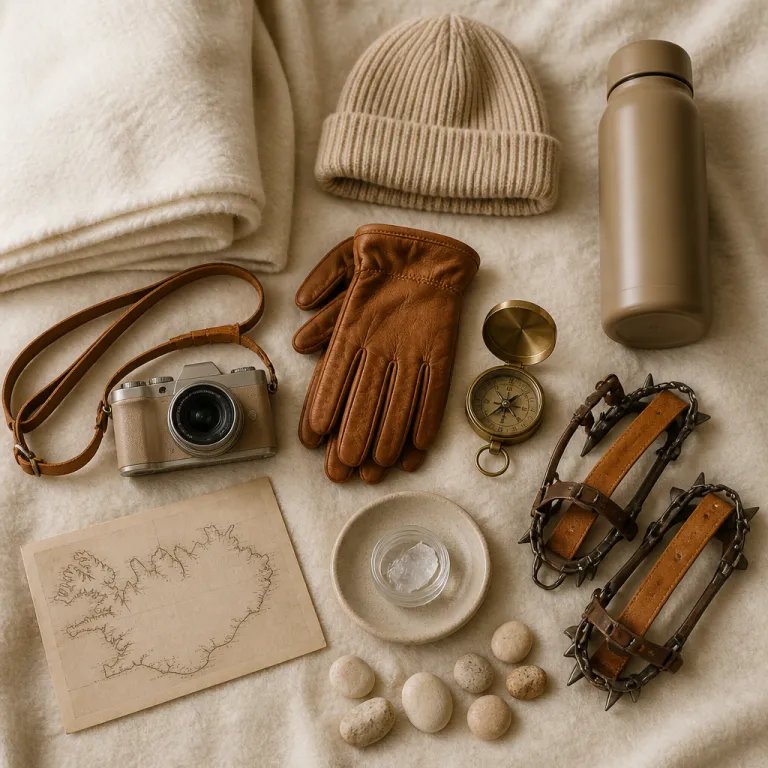
From a polar travel perspective, packing and preparation for an Iceland winter itinerary are simpler than for a multi-week Antarctic voyage, yet they still demand respect for the elements. Dress in moisture-wicking layers, carry microspikes for icy pavements, and check weather and road conditions daily through official channels. A basic winter packing checklist should include a windproof parka, insulated boots, thermal base layers, a warm hat, waterproof gloves, and a headlamp for early starts and late-night aurora hunts.
How to evaluate operators, prices, and support for Iceland winter tours
Not all Iceland winter tours are created equal, and the stakes are higher when snow, ice, and limited daylight are involved. Start by looking at the structure of each tour: how many nights, what balance between the Golden Circle and south coast, and whether an ice cave visit is included or offered as an optional extra. Then examine the price in relation to inclusions such as airport transfers from Keflavik, entrance to the Blue Lagoon, and the number of guided northern lights outings.
Established operators such as Iceland Tours, Reykjavik Excursions, and Glacier Guides have built their reputations on reliable winter operations and strong customer support. Iceland Tours focuses on multi-day winter tours with accommodation and 24/7 assistance, Reykjavik Excursions runs a wide range of day tours from Reykjavik across the south coast and Golden Circle, and Glacier Guides specialises in glacier hiking, ice caves, and super jeep adventures. When you compare offers, pay close attention to maximum group size, guide qualifications, and the flexibility to adjust the itinerary if a road closes or a storm delays an activity.
Finally, consider how each company communicates before you book; fast, clear answers to questions about winter driving, Ring Road conditions, and national park regulations are a strong indicator of operational maturity. Ask explicitly whether your northern lights tour includes a second-chance policy and how they handle cancellations if the weather makes the coast unsafe. A slightly higher price for a winter tour with robust contingency planning often delivers better value than a cheaper option that leaves you stranded when conditions change.
Key figures for Iceland winter travel
- The average winter temperature in Reykjavik is close to 0 °C, according to the Icelandic Meteorological Office, which makes city-based aurora hunting more comfortable than in many Arctic ports.1
- Official statistics from the Icelandic Tourist Board show that hundreds of thousands of people now visit Iceland in winter, highlighting how popular northern lights and ice cave experiences have become in recent seasons.2
- The core winter season for northern lights tours runs from October to March, with ice cave operations typically ending by late March when warmer temperatures affect glacier stability.3
- Most classic Golden Circle day tours cover roughly 230 kilometres of driving, which fits comfortably within the limited daylight hours of midwinter itineraries.4
FAQ about Iceland winter tours and northern lights travel
What is the best time of year for Iceland winter tours?
The prime period for Iceland winter tours runs from October to March, when nights are long enough for northern lights and ice caves are accessible. December and January offer the deepest winter atmosphere with very short days, while February and March bring more daylight for sightseeing. Travelers focused on auroras should prioritise clear, dark nights over specific calendar dates.
How many days do I need for a winter tour in Iceland?
A compact but effective winter tour requires at least four days, giving you one day for the Golden Circle, one for the south coast, and two flexible nights for northern lights attempts. If you want to add ice caves, a Blue Lagoon visit, and some free time in Reykjavik, plan for six to eight days. Full Ring Road itineraries in winter usually need ten to twelve days to allow for weather delays.
Do I need to book northern lights and ice cave tours in advance?
Yes, advance booking is strongly recommended for both northern lights and ice cave excursions, especially in peak periods around late Dec and school holidays. The official guidance to the question “Do I need to book winter tours in advance?” is: “Yes, especially for popular activities like ice caving and Northern Lights tours.” Last-minute spaces sometimes appear, but relying on them is risky in a short itinerary.
Are guided tours safer than self drive trips in winter?
For most visitors, guided tours are safer than self-drive trips, because professional drivers are trained for snow, ice, and sudden storms. Self-drive itineraries can work well for experienced winter drivers who are comfortable adjusting plans when a road closes. If you are unsure, start with guided day tours from Reykjavik and only consider renting a car once you understand local conditions.
Can I combine Iceland with other Arctic or Antarctic journeys?
Many polar travelers use Iceland as a shorter, more flexible counterpart to longer Arctic or Antarctic voyages. You can schedule an Iceland winter itinerary in a single week, which makes it easier to fit around work or family commitments than a multi-week expedition cruise. Some travelers treat Iceland as a training ground for cold-weather gear and photography skills before committing to more remote polar regions.
