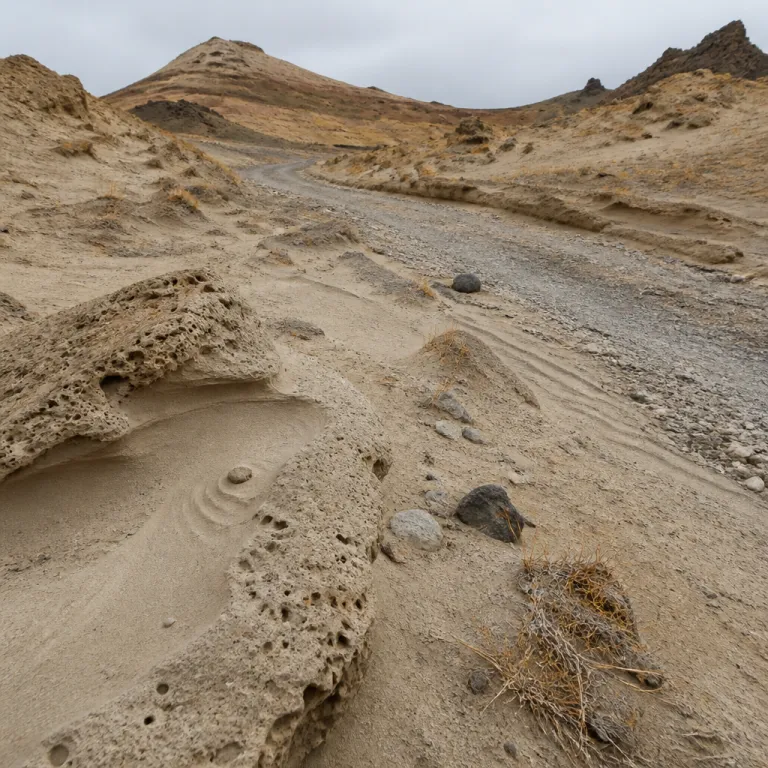
Why iceland backpacking trails belong on every polar traveller’s map
Iceland backpacking trails offer a rare bridge between classic Arctic journeys and accessible wilderness. For travellers used to Antarctic cruises or Svalbard expeditions, hiking in Iceland provides a land based counterpart with clear trail infrastructure and reliable rescue services. These routes let you test polar skills on solid ground before committing to more remote Arctic or Antarctic camping adventures.
The country of Iceland sits between the Arctic Circle and the North Atlantic, and each trail crosses landscapes shaped by ice, fire, snow and relentless rain. When you plan a multi day trek here, you move through active geothermal valleys, black lava fields and glacial river crossings that echo conditions in Greenland or coastal Antarctica. This makes every day on the trail a practical training ground for weather management, layering systems and navigation in low visibility.
Backpacking trails in Iceland are maintained by the Icelandic Touring Association (Ferðafélag Íslands, FÍ), whose staff oversees waymarking, mountain huts and seasonal safety updates. Their work keeps each marked route clearly defined, yet the sense of adventure remains strong when sudden weather shifts bring horizontal snow or sleet within minutes. Before any hike, you should contact the Icelandic Touring Association or consult their official maps and hut pages to confirm openings, route changes and recommended distance days for your chosen trek.
Laugavegur trail and Fimmvörðuháls: the flagship routes for serious hikers
The Laugavegur trail is Iceland’s most celebrated multi day route, running about 55 km between Landmannalaugar and Þórsmörk. Over four to five days, this Laugavegur trek carries you from steaming geothermal valleys and colourful rhyolite mountains to mossy canyons and black sand plains. Many hikers extend the trip by adding the Fimmvörðuháls trails between Þórsmörk and Skógar, creating the classic Laugavegur Fimmvörðuháls combination.
On the first day from Landmannalaugar to Hrafntinnusker, the trail crosses obsidian fields and snow patches that often linger well into July and August. This Landmannalaugar Hrafntinnusker section is short in distance days but demanding when weather turns, so plan your hike Laugavegur schedule with margin for strong wind or icy rain. Mountain huts along the Laugavegur trail, such as Landmannalaugar, Hrafntinnusker, Álftavatn, Hvanngil, Emstrur (Botnar) and Langidalur or Básar in Þórsmörk, provide solid shelter but require advance booking through the Icelandic Touring Association, which manages reservations for the main highland huts.
Adding the Fimmvörðuháls hike transforms a classic Laugavegur hike into a more committing adventure with steeper ascents and long river crossings. The Fimmvörðuháls trails climb between the Eyjafjallajökull and Mýrdalsjökull ice caps, giving views that resonate with anyone drawn to polar plateaus and glaciated ridges. If you enjoy elegant rail journeys to remote camps in Alaska, such as those described in this guide to an Arctic rail gateway to camping adventures, you will appreciate how the Laugavegur Fimmvörðuháls route links trailheads by efficient summer bus networks operated on fixed timetables between Reykjavík, Landmannalaugar, Þórsmörk and Skógar.
Best time, weather windows and polar grade gear for hiking Iceland
The best time for hiking Iceland’s major backpacking trails runs from June to September, when huts are staffed and snow coverage usually recedes from the main route. Official guidance from local hiking associations states clearly: “June to September offers the best conditions.” This window still brings volatile weather, so every day on the trail demands respect for wind chill, sleet and sudden rain.
During early season, snowfields linger on high passes, especially between Landmannalaugar and Hrafntinnusker, and around the Fimmvörðuháls trails. By July and August, most iceland backpacking trails are fully open, yet strong gusts and cold rain remain common, particularly on exposed ridges. Late season days grow shorter, and icy sections can appear overnight, making a simple day hike feel closer to a polar trek.
Gear choices should mirror what you would pack for coastal Arctic camping or zodiac landings in Antarctica, while also following practical local advice from the Icelandic Touring Association and Icelandic Search and Rescue. Study specialised guidance on layering systems, such as this guide to essential attire for polar waters, then adapt it to hiking Iceland with a focus on breathability and pack weight. Always carry waterproof layers, insulated gloves, a warm hat and dry socks, because snow or heavy rain can arrive even during the best time of year for trails, and temperatures can drop quickly once the sun disappears.
Mountain huts, camping ethics and safety on remote Iceland trails
Mountain huts along Iceland backpacking trails offer a rare blend of comfort and remoteness that suits travellers used to ship cabins or research stations in polar regions. Each hut on the Laugavegur trek or Fimmvörðuháls route provides bunks, cooking facilities and basic shelter from snow and rain. These mountain huts are not hotels: you must bring your own sleeping bag, food and a disciplined approach to shared space.
Booking a hut for several days transforms a demanding trek into a manageable series of stages, especially for those transitioning from day hike experiences to multi day journeys. When huts are full, camping is possible in designated areas near the buildings, but you should always follow Leave No Trace principles to protect fragile lava fields and geothermal valleys. Wild camping away from marked routes in Iceland is heavily restricted, so plan your trip around official sites and respect local regulations set by land managers and the Icelandic Touring Association.
Safety on any long distance hike relies on three pillars: preparation, communication and humility. The Iceland Search and Rescue teams stand ready for emergencies, yet they expect hikers to check weather forecasts, carry maps or GPS devices and register their route using recognised systems such as safetravel.is. Before starting a hike Laugavegur or any other trek, leave your itinerary with a trusted contact, monitor daily weather and be willing to shorten distance days or turn back entirely if conditions deteriorate.
Landscape highlights: lava fields, geothermal valleys and hot springs
Every major trail in Iceland reads like a condensed atlas of polar and subpolar landscapes. On the Laugavegur trail, you cross steaming geothermal valleys, snow streaked rhyolite mountains and vast lava fields that feel as remote as sections of East Greenland. These contrasts make iceland backpacking trails ideal for travellers who want strong scenery without the logistics of a full scale Arctic expedition.
Near Landmannalaugar, the route winds through colourful hills where mineral rich soils paint slopes in orange, green and black. After a demanding day of hiking, natural hot springs at the campsite offer a rare luxury, echoing the thermal pools found in some Antarctic research bases yet far more accessible. Farther south, the Fimmvörðuháls trails traverse fresh lava from the Eyjafjallajökull eruption, where cooled flows and ash fields tell a recent volcanic story under lingering snow patches.
River crossings are another defining feature of trails across Iceland, especially on the Laugavegur Fimmvörðuháls combination. Glacial meltwater can rise quickly after heavy rain or warm days, so plan your distance days to reach major fords early when flow is usually lower. Follow official guidance from Icelandic Search and Rescue: use sandals or neoprene socks, unbuckle your pack hip belt, face upstream and cross with deliberate steps, treating each river as seriously as a small zodiac landing in choppy Antarctic surf.
From Iceland backpacking trails to Arctic and Antarctic camping adventures
For travellers captivated by Arctic and Antarctic travel, Iceland backpacking trails serve as a practical training ground for more remote camping expeditions. A multi day trek on the Laugavegur trail or the Fimmvörðuháls route teaches you to manage layered clothing, ration food and read weather in a way that directly transfers to polar journeys. Each day spent hiking Iceland’s highlands refines your judgement about when to push on and when to wait out snow or rain.
Those considering ski traverses in Greenland or tent based trips on the Antarctic Peninsula can first test their systems on a shorter day hike or a four day Laugavegur trek. By gradually extending from single day hikes to multi day routes, you build confidence in navigation, camp routines and river crossings under controlled conditions. This progression mirrors how professional polar guides train, moving from accessible trails in Iceland to more committing ice cap routes.
When you feel ready for a deeper Arctic immersion, consider pairing an Iceland trek with a winter journey such as these Iditarod tour packages for immersive Alaska race experiences. The combination of summer hiking in Iceland and winter sled dog travel in Alaska offers a rounded skill set for future Antarctic camping. Over time, your logbook of trips, from Laugavegur Fimmvörðuháls to polar plateaus, will reflect a deliberate, safe and deeply rewarding progression into the world’s coldest landscapes.
Key figures for planning Iceland backpacking trails
- The Laugavegur trail covers about 55 km between Landmannalaugar and Þórsmörk, typically completed in four to five days according to data from AllTrails.
- The Fimmvörðuháls trail adds roughly 25 km between Þórsmörk and Skógar, turning a standard Laugavegur hike into an 80 km multi day trek when combined.
- The main hiking season in Iceland runs from June to September, with June marking typical trail openings, July and August as peak months and September as the period when highland routes begin to close.
- Backpacking in Iceland usually involves carrying gear for 10 to 15 km per day, a manageable distance for fit hikers preparing for longer Arctic or Antarctic expeditions.
- Use of GPS devices has become standard on Iceland trails, significantly improving navigation safety compared with earlier map only approaches, especially in low visibility weather.
FAQ about Iceland backpacking trails for polar focused travellers
What is the best time to hike in Iceland for multi day treks?
The best time to hike in Iceland for routes like Laugavegur and Fimmvörðuháls is from June to September, when huts are open and snow coverage is usually manageable. Early season may still bring significant snow on high passes, while late season can see colder nights and occasional ice. Plan your trip for July and August if you want the most stable conditions and longer daylight hours.
Do I need a permit to hike Laugavegur or other Iceland trails?
You do not need a general permit to hike Laugavegur, Fimmvörðuháls or most other established trails in Iceland. Some protected areas have specific access rules, and camping is restricted to designated sites near huts or official campgrounds. Always check current regulations with the Icelandic Touring Association before your trek.
Are guided tours available for Iceland backpacking trails?
Guided tours are widely available for Laugavegur, Fimmvörðuháls and other popular trails across Iceland. Various local companies offer fully supported trips with luggage transport, meals and experienced guides who understand local weather patterns. This option suits travellers transitioning from ship based Arctic or Antarctic voyages to land based trekking.
How should I prepare for weather on Iceland’s highland trails?
Preparation for weather on Iceland trails should mirror your approach to coastal Arctic conditions. Check forecasts daily, carry waterproof and windproof layers, and be ready for rapid shifts from sun to snow or heavy rain. Build flexibility into your distance days so you can shorten a stage or rest in a hut when conditions deteriorate.
What safety support exists for hikers on remote Iceland routes?
Safety on remote Iceland routes is supported by the Iceland Search and Rescue organisation, which responds to emergencies involving hikers. You remain responsible for carrying maps or GPS devices, sufficient food and water, and a realistic itinerary. Registering your route and expected days with local services increases your safety margin on any multi day trek.
