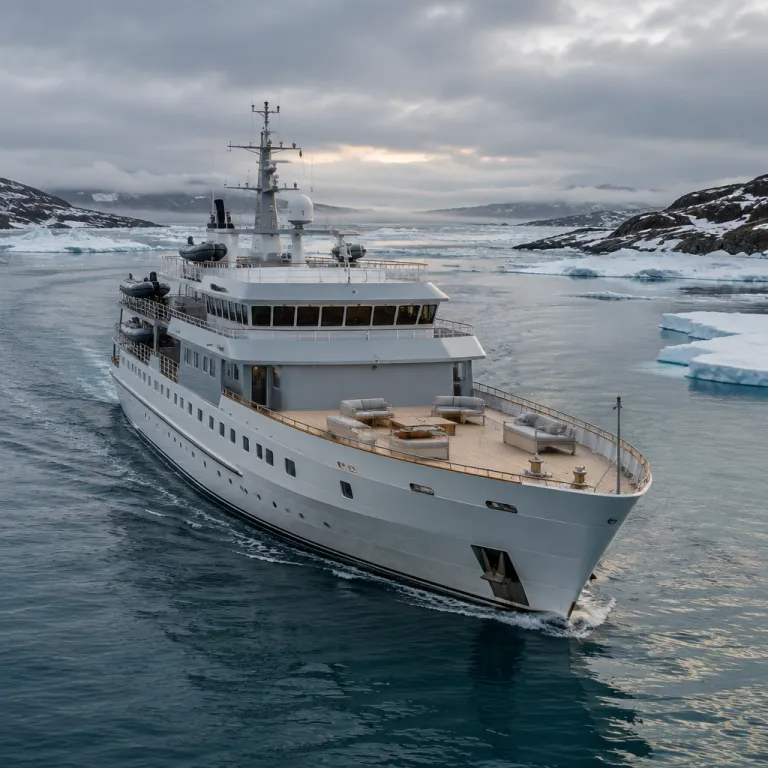
Northwest Passage Cruises: The Pinnacle of Canadian Arctic Travel
Why northwest passage cruises are the pinnacle of Canadian Arctic travel
For many polar travelers, northwest passage cruises represent the ultimate Arctic journey. A single passage cruise links the Atlantic and Pacific through the Canadian Arctic, tracing routes once attempted by wooden ship and sail, and every day along this Northwest Passage feels charged with history and raw nature. These itineraries blend ice navigation, remote island landings, and close encounters with wildlife into a single, carefully curated expedition.
On a well-run expedition cruise, the focus is on depth rather than speed, and the expedition team will constantly adjust plans to match weather, sea ice, and wildlife conditions. You might wake to a calm bay framed by West Greenland mountains, then spend the afternoon crossing into the High Arctic where the ship threads between floes of multi-year ice. Such flexibility is what turns a standard cruise into a true passage expedition that respects the environment and maximizes your time in the field.
Travelers often compare northwest passage cruises with other polar routes, yet the Canadian Arctic offers a distinctive blend of culture, geology, and wildlife. The route between West Greenland and Cambridge Bay passes Inuit communities, abandoned stations, and islands like Beechey Island that are central to polar exploration history. If you want an expedition where every passage, every island, and every bay tells a story, a northwest passage cruise will meet that expectation with quiet, enduring intensity.
Choosing the right itinerary, from West Greenland to Cambridge Bay
Itineraries for northwest passage cruises usually fall into two main patterns, either sailing from West Greenland to Cambridge Bay or continuing across the entire passage toward the Northwest Pacific. A partial passage cruise between Greenland and the Canadian Arctic can be ideal if you want more time ashore and fewer open sea days, while a full passage expedition appeals to travelers who value the sense of completing a historic route. In both cases, the balance between sea ice, wildlife, and cultural visits will shape your experience more than the exact distance covered.
Most operators schedule their expedition cruise departures in August and September, when Arctic ice retreats enough for safe navigation yet wildlife remains active along the Northwest Passage. Early August departures may encounter more ice and dramatic polar landscapes, while late August and September sailings often enjoy easier passage cruises and slightly milder conditions on deck. When you compare cruises, look beyond the headline dates and ask how many day landings are planned in key areas like Beechey Island, Devon Island, and the High Arctic channels.
Some travelers like to pair a northwest passage cruise with other polar voyages, and long-term planners often track future seasons such as those outlined in analyses of new polar departures and evolving Northwest Passage access. Reading about how operators expand their expedition team capacity and refine routes across West Greenland and the Canadian Arctic helps you understand which cruise lines treat this as a flagship passage expedition rather than a one-off itinerary. That level of commitment usually translates into better ice-capable ships, more experienced guides, and more thoughtful engagement with local communities along the route, especially on vessels such as Ocean Adventurer or Ultramarine operated by established polar specialists.
Seasonality, wildlife, and what to expect each day on board
Life on board a northwest passage cruise follows the rhythm of the Arctic environment, not a rigid timetable. A typical day might start with an early announcement from the expedition team that polar bears have been spotted on an island near the ship, followed by a rapid shift from lectures to Zodiac cruises. Later, as the ship moves through a narrow passage lined with ice, you may spend hours on deck watching wildlife and photographing sculpted floes.
During August and September, the Canadian Arctic offers a changing palette of light and wildlife behavior, and the expedition cruise schedule will adapt accordingly. In early August, seabird colonies around Devon Island and Beechey Island remain busy, while by late September the focus may shift toward marine mammals and the subtle colors of tundra around Cambridge Bay. Because the Arctic is unpredictable, the expedition team will always prioritize safety, ice conditions, and respectful distances from polar bears and other sensitive species.
On board, you can expect a comfortable cabin with amenities such as a small mini bar, while shared spaces remain oriented toward observation and learning rather than entertainment. Lectures on polar history, Greenland geology, and Canadian Arctic cultures fill the quieter hours when the ship crosses open water or navigates a long passage between landing sites. This balance of active exploration and reflective time is what makes northwest passage cruises feel like a sustained polar immersion rather than a conventional cruise holiday.
Understanding prices, cabins, and how to book with confidence
Pricing for northwest passage cruises varies widely, and understanding the structure helps you compare options fairly. Most operators quote a base cruise price in a major currency such as USD per person, usually based on a per-person twin share in a standard cabin, and supplements apply if you prefer a single occupancy arrangement. When you request a quote, always confirm whether port fees, charter flights, and mandatory transfers to or from Cambridge Bay or West Greenland are included.
Cabin categories on a polar expedition ship range from compact twin share options to larger suites with a stocked mini bar and more generous windows, and the price difference between these categories can be significant. A traveler who values time on deck and in Zodiacs may be perfectly content with a modest cabin, while another person will prioritize extra space for camera gear and cold weather clothing. As a rough example, a 16-day Northwest Passage voyage with a specialist operator might start around USD 15,000 per person in a lower-deck twin, rising to USD 22,000 or more for a balcony suite once taxes, charter flights, and optional activities are factored in.
If you are comparing more than one passage expedition, create a simple table that lists the total cruise price, estimated flight costs, and any extras you expect to purchase on board. Many lines offer early booking incentives for August and September departures, sometimes framed as an air credit toward charter flights or as a reduced rate per-person twin share. This approach turns a complex set of offers into a clear decision, helping you choose the northwest passage cruise that aligns with both your budget and your expectations for a serious polar journey.
| Itinerary type | Typical duration | Approx. starting price* | Key focus |
|---|---|---|---|
| Partial passage (West Greenland – Cambridge Bay) | 12–16 days | From ~USD 12,000–15,000 pp twin | More shore landings, fewer open-sea days |
| Full Northwest Passage transit | 18–23 days | From ~USD 18,000–22,000 pp twin | Historic end-to-end route, broader geography |
*Illustrative ranges only; always request a current, detailed quote.
Key landing sites: Beechey Island, Devon Island, and the High Arctic
Certain names appear again and again in northwest passage cruise itineraries, and understanding them helps you read between the lines of a brochure. Beechey Island is one of the most poignant sites in the Canadian Arctic, a low gravel island where Franklin expedition graves and memorials stand above a sheltered bay that often holds drifting ice. Many travelers describe their day at Beechey Island as the emotional center of their passage expedition, a moment when polar history feels immediate and personal.
Farther north, Devon Island offers a stark High Arctic landscape of cliffs, glaciers, and broad valleys that resemble a polar desert, and landings here often focus on geology, hiking, and the search for wildlife. The expedition team will scan for muskoxen, Arctic foxes, and occasionally polar bears along the shore, while you walk across patterned ground shaped by freeze–thaw cycles over thousands of years. Because Devon Island sits close to key channels of the Northwest Passage, time here also provides a sense of the scale and remoteness that early explorers faced in small wooden ship hulls.
Other highlights along northwest passage cruises include remote bays on the coasts of West Greenland, where colorful villages cling to rock above the water, and the community of Cambridge Bay, which often serves as a gateway for charter flights. Each island, bay, and passage contributes a different facet to your understanding of the Arctic, from modern Inuit life to the dynamics of sea ice and climate. When you evaluate a passage cruise itinerary, count how many High Arctic landing opportunities it includes and how much flexibility the ship retains to adjust plans if wildlife or weather presents unexpected opportunities.
Navigation, safety, and how modern ships handle ice and remote waters
Modern northwest passage cruises rely on a combination of ice-strengthened hulls, experienced bridge teams, and detailed satellite data to navigate safely. While the romance of the route lies in its history, the reality of a passage expedition today is one of careful risk management, with constant monitoring of ice charts and weather forecasts. This is why choosing a reputable operator with a strong polar track record matters more than chasing the lowest price.
On board, the captain and expedition team will brief guests regularly about route choices, ice conditions, and any changes to the daily plan, and these briefings are an excellent opportunity to ask detailed questions. You might learn how the ship uses radar and visual scouting to move through a narrow passage filled with first-year ice, or why a particular bay offers better shelter from shifting winds. Transparency about decision making builds trust and helps guests appreciate the complexity of operating in the Canadian Arctic and other polar regions.
Travelers interested in navigation can deepen their understanding by studying detailed coastal maps and route diagrams, similar to how a specialized map can transform an appreciation of another northern voyage. When you stand on deck watching the ship ease past an ice-choked island in the High Arctic, that context turns a scenic moment into a richer learning experience. Over the course of the cruise, you will see how every passage, every adjustment of course, and every cautious approach to wildlife reflects a safety culture refined over many seasons and supported by modern ice-class standards such as 1A or PC6, which indicate reinforced hulls engineered for operation in first-year sea ice under experienced polar captains.
Practical planning tips for your northwest passage expedition
Thoughtful preparation makes northwest passage cruises more rewarding, especially given the remoteness of the Canadian Arctic. Start planning at least a year in advance if you want specific cabins or dates in August or September, and be ready to book once you receive a detailed request quote that matches your expectations. Because capacity on each ship is limited, a single person delaying a decision can mean losing a preferred twin share cabin or a specific passage cruise departure.
Packing for a polar expedition requires a focus on layers, waterproof outerwear, and reliable footwear, and most operators provide a detailed list once you book. Expect cool temperatures even in August and September, with wind on deck and the chill of nearby ice, so prioritize warmth and comfort over style. Remember that you will spend long periods outside watching wildlife, exploring an island by Zodiac, or walking along a remote bay, and good gear keeps your attention on the experience rather than the cold.
- Waterproof jacket and pants, plus insulated mid-layers
- Sturdy, waterproof boots suitable for wet landings
- Warm hat, gloves, and a neck gaiter or scarf
- Binoculars and a dry bag for camera equipment
- Any prescription medications and basic personal first-aid items
Travel insurance that covers evacuation from remote polar regions is essential, and you should verify coverage limits before finalizing your passage expedition. When you review policies, pay attention to clauses related to missed connections, charter flights to Cambridge Bay or West Greenland, and any medical conditions that might affect your eligibility. With these practical elements in place, you can step aboard your northwest passage cruise confident that you have respected both the power of the Arctic environment and the logistical realities of reaching it.
Key figures for northwest passage cruises
- Typical northwest passage cruises last between 12 and 23 days, giving enough time for multiple landings in the High Arctic and Canadian Arctic communities while allowing for weather and ice delays.
- Most polar expedition ships operating in the Northwest Passage carry between 100 and 200 passengers, a size that balances stability at sea with the ability to land guests efficiently in small groups.
- According to the National Snow and Ice Data Center (NSIDC), average September sea ice extent in the broader Arctic Ocean declined by about 13 percent per decade between 1979 and 2020 relative to the 1981–2010 mean, a widely cited statistic that helps explain changing navigability in routes like the Northwest Passage.
- Many operators schedule the majority of their northwest passage departures in the window from early August to late September, when historical ice data show the highest probability of open channels for safe navigation.
- Specialist polar expedition ships often achieve ice class ratings such as 1A or PC6, indicating reinforced hulls designed to navigate in first-year ice under the guidance of experienced captains and ice pilots.
FAQ about northwest passage cruises
When is the best time of year to sail the northwest passage ?
The prime season for northwest passage cruises runs from early August to late September, when sea ice typically retreats enough to allow safe navigation. Early season voyages may encounter more ice and dramatic landscapes, while later departures often offer slightly milder temperatures and more stable conditions. Operators choose specific dates based on long-term ice data and their experience in the region.
How much does a northwest passage expedition cruise usually cost ?
Prices for a northwest passage expedition cruise generally start in the mid five-figure range per person in a standard twin share cabin, quoted as a base fare in a major currency such as USD per person. Higher category cabins and suites, along with optional activities, can increase the total significantly. Always request a detailed quote that clarifies what is included, such as charter flights, transfers, and gear.
What wildlife can I expect to see on a northwest passage cruise ?
Travelers commonly see seabirds, seals, and whales, with good chances of spotting polar bears on sea ice or along remote shorelines. Sightings of muskoxen, Arctic foxes, and various bird species are also possible, especially around islands like Devon Island. As always in the wild, no specific wildlife encounter can be guaranteed, and responsible operators maintain safe viewing distances.
Do I need previous expedition experience to join a northwest passage cruise ?
No previous expedition experience is required, as these voyages are designed for curious travelers with a reasonable level of mobility and fitness. The expedition team provides detailed briefings, assistance during Zodiac operations, and guidance on how to move safely on uneven terrain. If you have specific mobility concerns, discuss them with the operator before booking to ensure the itinerary suits your needs.
How safe is it to travel through the northwest passage on a cruise ship ?
Modern polar expedition ships are built with ice-strengthened hulls and equipped with advanced navigation systems, and they operate under strict safety protocols. Experienced captains and expedition leaders monitor ice charts, weather forecasts, and local conditions continuously, adjusting routes as needed. Choosing a reputable operator with a strong polar track record is the most important step you can take to ensure a safe and rewarding voyage.